Why Anti-Aging in Your 40s and 50s Requires a Different Approach
Aging looks different at every stage of life. The same Lifting treatment, the same Botox — the way they should be approached in your 40s versus your 50s is fundamentally different. Here's what Cellon Clinic wants you to know.
Aging Isn't Just "More of the Same" — It Changes in Kind
Many people think of skin aging in their 40s versus their 50s as simply the same problems getting worse. But from a dermatological standpoint, these two decades involve fundamentally different aging mechanisms — not just different speeds. Which structural layers are most affected, and which key components decline first, are actually quite distinct. So even when concerns look similar on the surface, the solutions need to be tailored accordingly.
40s
Accelerated loss of collagen and elastin. Early volume depletion. Expression lines becoming set. Disruption of oil-moisture balance.
50s
Sharp drop in estrogen (around menopause). Significant thinning of the dermis. Relaxation of support ligaments. Structural changes in bone and fat layers become pronounced.
Your 40s are a golden window for prevention and restoration. Changes have begun, but structural damage hasn't gone deep yet — which means regenerative stimulation alone can still yield noticeable improvement. Your 50s, however, bring a shifted hormonal environment and reduced tissue regenerative capacity, so structural support needs to be part of the equation alongside regenerative treatments.
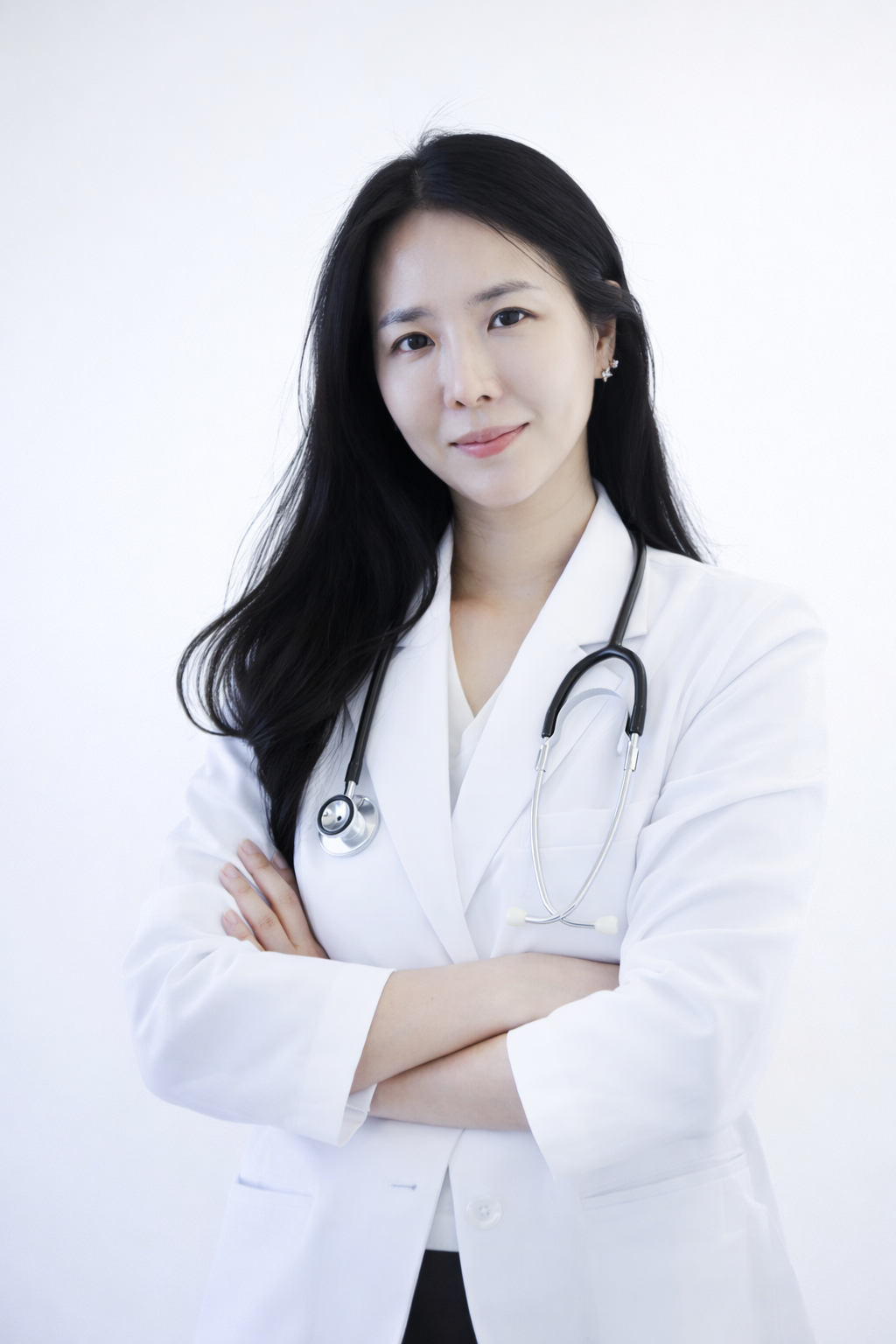
"For patients in their 40s, I tell them: the care you do now will make a visible difference a decade from now. For patients in their 50s, my first question is: how do we best support the structural changes that have already taken place? The starting point has to be different — that's what makes the outcome feel natural."
— Dr. Kang Seung-hoon, Medical Director, Cellon Clinic
Aging Patterns in Your 40s & Treatment Strategies
The defining characteristic of skin in your 40s is what we call a "gradual collapse from the peak." Collagen synthesis slows by roughly 1% each year, and by your 40s, the cumulative effect becomes impossible to ignore. Expression lines around the eyes and mouth start to linger even when your face is at rest, and you may notice the lower cheeks beginning to sag.
~1%
Annual decline in collagen synthesis rate (adults)
30%
Cumulative loss in skin collagen density by the mid-40s
2×
Longer cellular recovery time after UV exposure vs. your 20s
These treatments stimulate fibroblasts in the dermis to boost collagen and elastin synthesis. In your 40s, fibroblasts are still responsive, so regenerative stimulation yields strong results. Exosomes enhance cell-to-cell signaling through over 300 growth factors, while Rejuran uses polynucleotides to create an optimal environment for tissue regeneration.
2
Muscle Movement Control — Botox & Skin Botox
Wrinkles caused by overactive facial muscles — on the forehead, between the brows, and around the eyes — are best addressed proactively with Botox. Combining this with Skin Botox, which is injected in micro-doses into the dermis, further smooths skin texture and tightens pores. Since muscle volume is still adequate in your 40s, Botox results tend to look natural and last longer.
3
Early Volume Restoration — Fat Grafting or Filler (as needed)
From the mid-to-late 40s, as the fat pads beneath the cheeks begin to diminish, volume restoration becomes worth considering. Fillers offer immediate results but have limited longevity, while fat grafting — using your own purified fat — provides a more natural texture and longer-lasting outcomes. Because there is still ample tissue in your 40s, fat grafting results tend to be more predictable and easier to place precisely.
4
Deep Collagen Remodeling — Thermage / Thread Lifting
Treatments like Thermage FLX use radiofrequency energy to remodel collagen in the deeper layers of the skin. Since elasticity hasn't fully diminished by your 40s, thermal stimulation alone is enough to produce noticeable collagen contraction and reorganization. If thread Lifting is indicated, the tissue is still dense enough to anchor threads securely, resulting in longer-lasting lift.
Aging Patterns in Your 50s & Treatment Strategy
Your 50s introduce a powerful new variable: hormones. As estrogen levels decline, the skin loses its ability to retain moisture and the dermis itself becomes thinner. The ligaments and fat compartments that once supported the cheeks and jawline begin to relax, causing tissues to migrate downward. The core issue isn't simply "volume loss" — it's a weakening of the underlying support structure.
Key Concerns in Your 40s
Volume Loss + Reduced Elasticity
Expression lines becoming permanent
Early cheek hollowing
Diminished skin radiance
Increase in fine lines
Oil-moisture imbalance
Key Concerns in Your 50s
Structural Weakening + Hormonal Changes
Ligament and fat compartment laxity
Loss of jawline definition (jowling)
Thinning of the dermis
Effects of declining estrogen
Overall tissue descent
The cornerstone of treatment in your 50s is a dual approach: regeneration and structural support — addressed together. Stimulating regeneration alone cannot reverse already-relaxed structures, and simply adding volume can make the face look heavier and more unnatural. Stem Cell Fat Grafting, in particular, goes beyond filling volume; the stem cells activate around the transplanted fat cells, creating an environment that promotes genuine tissue regeneration — making it a meaningful option for patients in their 50s.
Recommended Treatment Priorities for Your 50s
1
Restore Structural Support — Lifting First
In your 50s, the priority is repositioning descended tissue before adding volume. Thread Lifting, high-intensity focused ultrasound (HIFU) devices, and deep collagen-stimulating treatments like Thermage should form the foundation of care. Adding volume to lax tissue first can result in a face that looks enlarged or unnatural.
2
Stem Cell Fat Grafting — Volume & Regeneration Together
Once the structure has been corrected with Lifting, volume restoration in hollowed areas is best approached with Stem Cell Fat Grafting. As a Designated Advanced Regenerative Medicine Hospital under the Ministry of Health and Welfare, Cellon Clinic applies rigorous medical standards to stem cell-enhanced fat grafting. In your 50s, even your own fat has reduced regenerative capacity — so how it is processed and transplanted makes all the difference in outcomes.
Skin in your 50s recovers more slowly from external treatments. To support post-procedure healing and maintain dermal thickness, regenerative treatments such as Exosome therapy and PRP should be incorporated on a regular basis. Skin boosters — including Rejuran and similar lines — are equally essential for sustaining the foundation of hydration and elasticity.
4
Botox — Precise Dosing to Account for Muscle Volume Loss
Because muscle volume also decreases in your 50s, excessive Botox can actually make the face appear more sunken. Carefully calibrating the dose and injection sites to suit this age group is essential. This is precisely where the judgment of an experienced physician makes the greatest difference.
What Being a Designated Regenerative Medicine Hospital Means for Anti-Aging
Cellon Clinic is a Cheongdam Designated Advanced Regenerative Medicine Hospital, certified by the Ministry of Health and Welfare. This designation is far more than a title. It means that every cell, component, and processing standard used in regenerative treatments meets strict legal requirements. Take Stem Cell Fat Grafting as an example — the entire process of isolating and processing stem cells from fat tissue and re-implanting them must be carried out within a verified environment that adheres to established standards.
Standards for Designated Regenerative Medicine Hospitals
Ministry of Health and Welfare Certified — Meeting Rigorous Requirements
A Designated Advanced Regenerative Medicine Hospital must pass a thorough review covering its facilities, medical staff, and management systems. Very few dermatology clinics are legally authorized to perform stem cell-based procedures within the scope of dermatological care.
What Sets Cellon Clinic Apart
Merging Stem Cell Fat Grafting with Anti-Aging
This goes beyond simple volume restoration — it's a fat grafting approach grounded in regenerative principles. Both the processing and implantation techniques are tailored to the unique tissue condition of each patient, whether they're in their 40s or 50s.
A regenerative medicine approach is effective for patients in both their 40s and 50s, but the way it's applied differs significantly. For patients in their 40s, regenerative stimulation takes center stage, with structural support playing a supplementary role. For those in their 50s, structural restoration comes first, with regenerative therapy sustaining those results over time. Honoring this sequence is the key to achieving natural-looking outcomes.
Direct Care by Chief Director Dr. Kang Seung-hoon
At Cellon Clinic, Chief Director Dr. Kang Seung-hoon personally handles every case from consultation through treatment. For procedures requiring nuanced, age-specific judgment — such as Stem Cell Fat Grafting, Lifting, and combined anti-aging treatments — the physician's experience and clinical insight are what truly determine the outcome. Cellon Clinic believes that even when patients present with the same concerns, the right approach can vary greatly depending on their age and the condition of their tissue.
Treatment Combinations by Age — A Practical Guide
Below is a breakdown of recommended treatment approaches for your early 40s, mid-to-late 40s, early 50s, and mid-50s onward. Keep in mind that individual differences vary, so always consult with a qualified medical professional before making any decisions.
Early 40s (Ages 40–44)
Focus on Prevention
Skin booster + Exosome maintenance cycles
Botox for expression lines (appropriate dosage)
Thermage FLX 1–2 times per year
Small-volume filler or fat grafting as needed
Laser treatment for photoaging
Mid-to-Late 40s (Ages 45–49)
Restoration + Volume Replenishment
Micro fat grafting (cheeks, under-eye, temples)
Thread Lifting or combination Thermage
Exosome + Rejuran regenerative maintenance
Precise Botox dosage and placement design
PCL + Sculptra collagen stimulation
Early 50s (Ages 50–54)
Structural Support + Stem Cell Regeneration
Thread Lifting or high-intensity HIFU as a first step
Stem Cell Fat Grafting (cheeks and jawline refinement)
Exosome + PRP recovery support
Skin booster for hydration and elasticity
Fine-tuned Botox by treatment zone
Mid-50s and Beyond (Ages 55+)
Comprehensive Regenerative Medicine Approach
Deep Lifting + combined regenerative treatment plan
Stem Cell Fat Grafting (regeneration-focused)
Intensive dermal thickness improvement
Treatment design tailored to hormonal changes
Refined treatment intervals (accounting for recovery time)
Frequently Asked Questions — Anti-Aging Treatments by Age
Q. I'm in my 40s — should I get fat grafting now, or is it okay to wait?
Fat grafting tends to yield more predictable results when tissue is still relatively plentiful. In your 40s, compared to your 50s, there's generally more recipient space and better vascular distribution, which creates more favorable conditions for graft survival. Waiting until things look "bad enough" can cause the tissue environment to change, making the approach more complex down the line. We recommend consulting with a specialist to assess your current facial condition and goals.
Q. I've heard that Botox in your 50s can actually make you look older — is that true?
The problem is overdoing it. In your 50s, facial muscle volume itself has decreased, so applying Botox at the same dosage and technique used in your 40s can result in an unnatural expression or a more hollowed appearance. However, with the right dosage and zone-specific adjustments, Botox remains an effective tool even in your 50s. The key is how the dosage is designed.
Q. What's the difference between receiving treatment at a Designated Advanced Regenerative Medicine Hospital versus a regular dermatology clinic?
A Designated Advanced Regenerative Medicine Hospital is an institution that meets the legal standards set by the Ministry of Health and Welfare for applying regenerative medicine technologies such as stem cells. Specific requirements must be met in areas like stem cell processing, quality control, and treatment environment before designation is granted. This differs from regenerative treatments offered at general dermatology clinics in both scope and standards. In particular, procedures like Stem Cell Fat Grafting can only be performed to a certain standard at designated institutions.
Q. If I start Lifting treatments in my 40s, won't I need stronger procedures later on?
It's actually the opposite. Appropriately stimulating and maintaining collagen structure in your 40s can delay the need for more invasive procedures when you reach your 50s. Lifting treatments aren't about making your tissues "dependent" on intervention — they create an environment that supports collagen regeneration. That said, repeatedly doing more than necessary without medical guidance is a separate issue.
Q. For patients traveling from abroad, how long should I plan to stay after treatment before flying home?
It depends on the procedure. Botox and skin booster treatments often allow for same-day or next-day travel. Procedures that require a recovery period, such as fat grafting or Thread Lifting, generally call for a stay of 5–10 days or more. Cellon Clinic offers itinerary planning consultations for international patients. We recommend reaching out via online consultation before your visit to confirm a schedule tailored to your needs.
At Cellon Clinic, our consultation and assessment process takes a close look at each patient's individual facial structure and recovery goals.
Cellon Clinic — Cheongdam, Seoul
Anti-Aging Tailored to Your Age — Book a Consultation at Cellon Clinic
The right treatments and combinations differ depending on whether you're in your 40s or 50s. Visit Cellon Clinic Cheongdam, where Medical Director Dr. Kang Seung-hoon provides hands-on care, and discover a personalized anti-aging plan designed just for you. Feel free to reach out via WhatsApp — we're happy to help.