
Are All Stem Cells the Same?
Blood vs. Fat-Derived Stem Cells — What's the Difference?
Same name, very different story. Let's break down how blood-derived and fat-derived stem cells compare when it comes to skin regeneration and anti-aging.
Stem Cells Are Not All the Same
As regenerative medicine and stem cell therapy have become more familiar topics, it's natural to want to learn more. But once you start researching, you'll quickly run into terms like "blood-derived stem cells" and "fat-derived stem cells," with different clinics using different names — making it hard to know which is better or which one is right for you.
Here's the short answer: where stem cells come from directly affects their properties and what they're best used for. Blood-derived stem cells and fat-derived stem cells each have distinct roles they excel at. Neither is inherently superior — the key is choosing the right type of stem cell based on your treatment goals.
In this article, we'll break down the characteristics and differences between these two types of stem cells, and explain how Cellon Clinic applies them in the areas of skin regeneration and anti-aging.
Blood-Derived vs. Adipose-Derived Stem Cells — Key Comparison
These two cell types differ in how they're collected, how they work, and where they're most effectively applied. Let's put them side by side.
Blood Stem Cells
Hematopoietic stem cells / PRP & PDRN-based growth factors
- Harvested from bone marrow or peripheral blood
- Primarily differentiate into blood and immune cells (hematopoietic lineage)
- Decades of clinical history in treating blood cancers and immune disorders
- Relatively limited capacity for skin and adipose tissue regeneration
- Complex harvesting process with a relatively low yield
Adipose-Derived Stem Cells
ADSCs (Adipose-Derived Mesenchymal Stem Cells)
- Easily obtained via liposuction or small-volume fat harvest
- Can differentiate into a wide range of mesenchymal tissues — fat, cartilage, bone, and skin
- 10 to 500 times more abundant than blood-derived stem cells
- Multi-action regenerative effects: collagen synthesis stimulation, angiogenesis, and anti-inflammatory activity
- Actively used for skin rejuvenation, improved fat graft survival, and anti-aging treatments
3 Reasons Adipose-Derived Stem Cells Excel at Skin Regeneration
Not all stem cells are created equal — their regenerative potential varies depending on where they come from. Here's why adipose-derived stem cells stand out from a dermatological perspective.
Mesenchymal Lineage — The Same "Family" as Skin and Fat Tissue
Hematopoietic stem cells (found in blood) are specialized for producing blood cells. Adipose-derived stem cells, on the other hand, belong to the mesenchymal lineage — meaning they have the potential to differentiate into fibroblasts, adipocytes, chondrocytes, and other cells that make up the dermal layer of the skin. Sharing the same cellular lineage as skin tissue makes a decisive difference when it comes to tissue regeneration.
Paracrine Effect — The "Signals" May Matter More Than the Cells Themselves
Even before stem cells differentiate, they trigger regenerative responses in surrounding tissues by secreting a range of growth factors and cytokines — a process known as the paracrine effect. Adipose-derived stem cells are particularly rich sources of VEGF (vascular endothelial growth factor), HGF (hepatocyte growth factor), and bFGF (basic fibroblast growth factor), all of which indirectly support surrounding tissue recovery. These signaling molecules are, in many ways, the true driving force behind skin regeneration.
Autologous Origin — No Risk of Immune Rejection
The adipose-derived stem cells used at Cellon Clinic are harvested from the patient's own fat tissue. Because they come from your own body, there is no risk of immune rejection that can arise with donor cells or synthetic materials. Returning your own cells to your own body means exceptional biological compatibility and a strong safety profile over the long term.
Adipose-Derived Stem Cells: Understanding the Numbers
There's a reason adipose tissue is called a treasure trove of stem cells.
How Cellon Clinic Approaches Stem Cell Treatments Differently
Cellon Clinic is a dermatology clinic in Cheongdam that has been officially designated as a Designated Advanced Regenerative Medicine Hospital by the Ministry of Health and Welfare. Earning this designation requires meeting strict standards for facilities, equipment, and medical personnel in regenerative medicine — so it carries far more weight than simply marketing treatments under the "stem cell" label.
The primary stem cell-based procedure offered at Cellon Clinic is Stem Cell Fat Grafting. While conventional fat grafting involves harvesting and transplanting fat cells alone, Stem Cell Fat Grafting goes a step further by transplanting the fat along with the stem cells and SVF (stromal vascular fraction) naturally contained within it.
For transplanted fat to survive, new blood vessels must form quickly and the surrounding tissue must accept the incoming cells. The growth factors found within adipose-derived stem cells help facilitate this process, contributing to a more favorable engraftment environment compared to conventional fat grafting — and that's what makes this approach distinct.
Cellon Clinic also offers other regenerative medicine treatments, including Exosome therapy and Rejuran. Exosomes are nano-sized extracellular vesicles secreted by stem cells, capable of transmitting cellular regeneration signals without requiring the transplantation of stem cells themselves. This ability to combine multiple regenerative modalities — grounded in a deep understanding of cellular biology — is what defines Cellon Clinic's approach.
"Stem Cell Fat Grafting isn't simply about adding volume. It's an attempt to fundamentally shift the tissue environment at the treatment site toward regeneration. That's why preserving cellular viability at every stage — from harvesting and processing to transplantation — is the key factor that determines the outcome."
What to Check Before Your Stem Cell Treatment
Here are the key points worth confirming before undergoing stem cell therapy to ensure the best possible outcome.
What type of stem cells are used, and how are they processed?
Even under the same "stem cell" label, the process matters enormously — whether it involves simple centrifugation, SVF isolation, or full culture expansion. Each approach yields different levels of cell activity and has different applications. Always ask about the specific processing method.
Confirm the clinic is a Designated Advanced Regenerative Medicine Hospital
In Korea, clinics offering advanced regenerative medicine using stem cells must meet strict designation requirements set by the Ministry of Health and Welfare. This is a fundamentally different standard from clinics that simply market themselves as offering "stem cell treatments."
Know the difference between autologous and allogeneic stem cells
Autologous stem cells (from your own body) and allogeneic stem cells (from a donor or commercial product) fall into entirely different categories in terms of regulation, safety, and efficacy. Cellon Clinic's Stem Cell Fat Grafting exclusively uses autologous cells harvested from your own fat.
Plan your aftercare from the start
With Stem Cell Fat Grafting, the engraftment process unfolds over several months. Planning ahead with your doctor — including follow-up monitoring, the right timing for any touch-ups, and whether to combine additional regenerative treatments — has a direct impact on your final results.
Frequently Asked Questions (FAQ)
Q Is there a real difference in results between Stem Cell Fat Grafting and regular fat grafting?
Regular fat grafting, when performed well, can absolutely deliver excellent results. Stem Cell Fat Grafting takes things a step further by incorporating the stem cells and growth factors naturally present in harvested fat — with the goal of improving vascularization and creating a more favorable environment for cell survival at the transplant site. That said, outcomes are influenced by a combination of factors including individual cell activity, the condition of the recipient area, and the surgeon's technique. The inclusion of stem cell components alone does not guarantee results. A proper assessment of candidacy always comes first.
Q Can someone with very little body fat still undergo a fat-derived stem cell procedure?
Fat-derived stem cells can be harvested from relatively small amounts of fat in areas such as the abdomen, thighs, or flanks. However, how much can realistically be collected varies depending on your body type and the specific donor site. A consultation before the procedure is essential to confirm whether a sufficient quantity can be obtained. If the amount available falls short of what's needed, alternative regenerative treatments may be considered.
Q What's the difference between Exosomes and stem cells?
Exosomes are nano-sized vesicles secreted by stem cells. Rather than transplanting stem cells directly, this approach harnesses the cell-signaling molecules that stem cells produce. Because it delivers regenerative signals without direct cell transplantation, the procedural burden tends to be lower. Exosome therapy can be used alongside Stem Cell Fat Grafting or as a standalone treatment. Which approach is more suitable depends on your individual condition and goals, so a consultation with a specialist is recommended.
Q Can stem cell procedures be performed at clinics that are not a Designated Advanced Regenerative Medicine Hospital?
Under Korean medical law, any institution conducting advanced regenerative medicine clinical research or treatment must meet the designation requirements set by the Ministry of Health and Welfare. These requirements include dedicated personnel, facilities, equipment, and a safety management system. Stem cell-related procedures performed at unlicensed or non-designated facilities pose not only legal risks but also serious safety concerns due to the absence of proper oversight. Always verify that a facility holds the appropriate designation before proceeding.
Q How long is the recovery period after a stem cell procedure?
For Stem Cell Fat Grafting, recovery timelines are largely determined by the fat grafting itself. While individual experiences vary, initial swelling typically begins to subside within one to two weeks. The grafted fat then undergoes a stabilization process that often takes anywhere from three to six months. Since results are not fully settled during this period, it's important to wait until sufficient time has passed before evaluating the final outcome.
Interested in stem cell regenerative medicine? Schedule a consultation at Cellon Clinic.
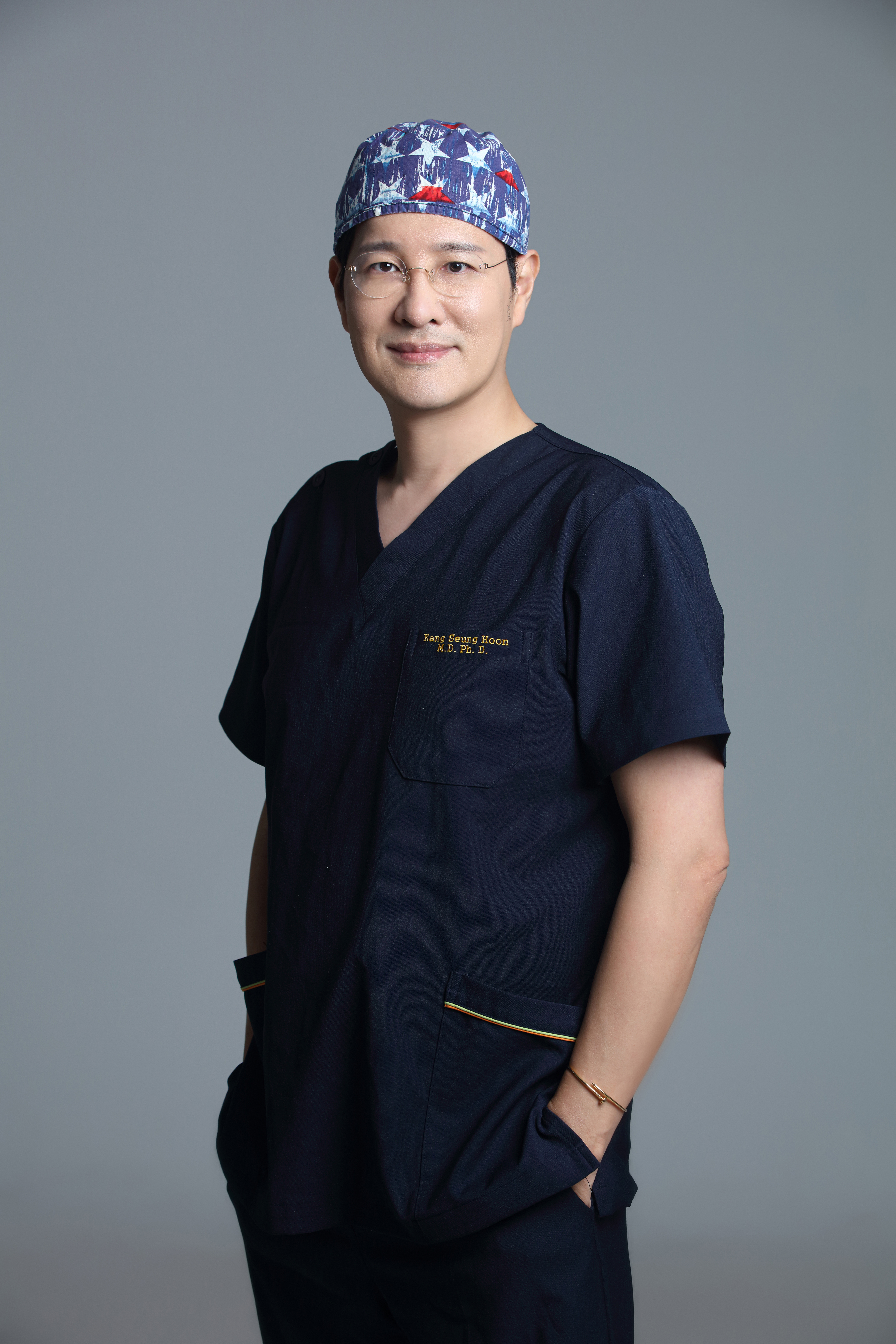
As a Cheongdam Designated Advanced Regenerative Medicine Hospital, Chief Director Dr. Kang Seung-hoon personally evaluates each patient's suitability for fat-derived stem cell procedures. Reach out to us anytime via WhatsApp.
Chat with Us on WhatsAppCellon Clinic | Cheongdam-dong, Gangnam-gu, Seoul | Designated Advanced Regenerative Medicine Hospital