Which Skin Types Benefit Most from Exosome Treatment?
The Science Behind 300+ Stem Cell–Derived Growth Factors
Exosomes are ultra-fine signaling particles secreted by stem cells.
Let's explore the evidence behind which skin conditions see the most dramatic results.
What Are Exosomes? — Think of Them as "Letters" Between Cells
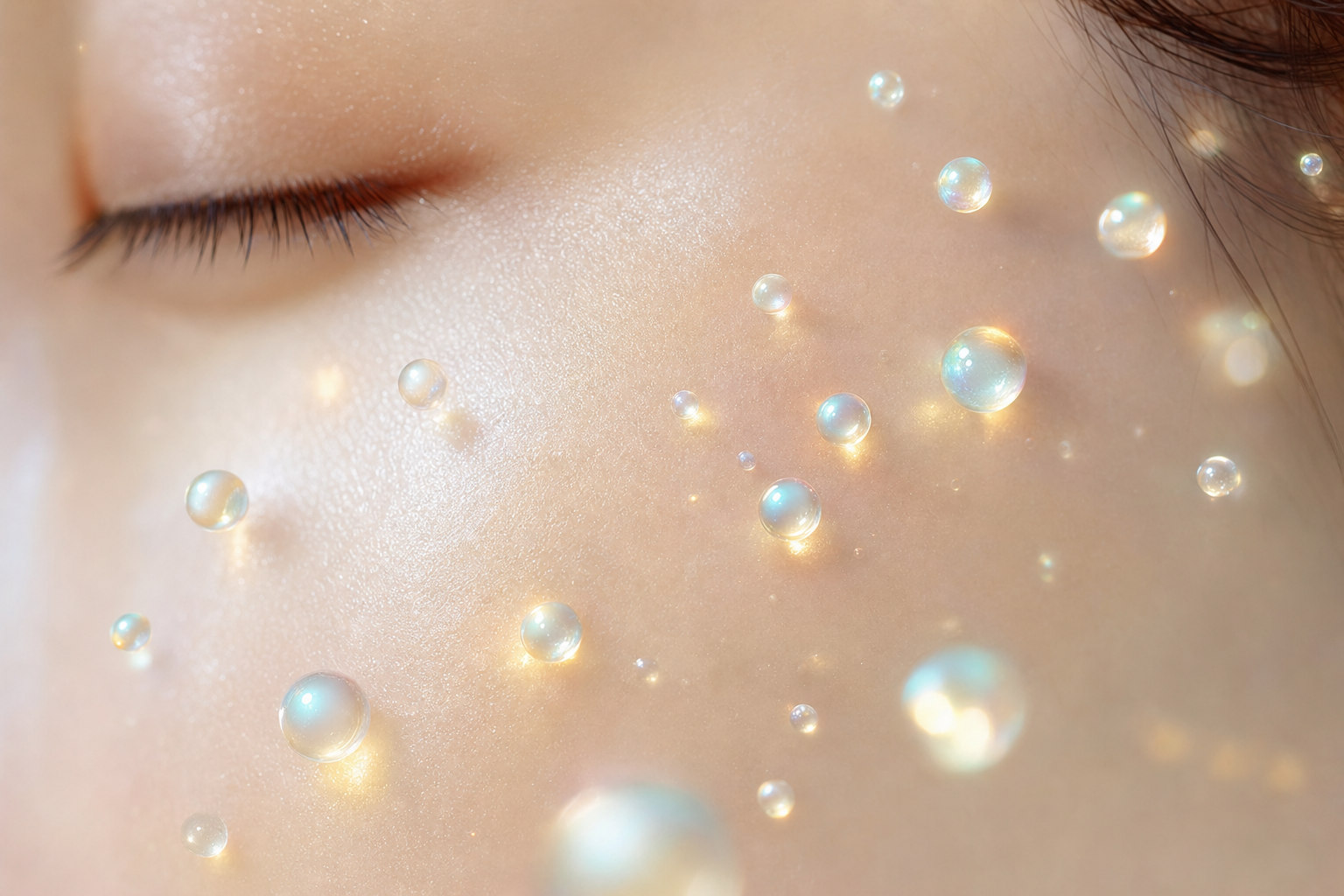
An exosome is an ultra-small vesicle (extracellular vesicle) secreted by cells, measuring just 30–150 nm in diameter. Think of it as a nano-sized "messenger package" that cells use to send information to one another.
Each package contains a rich mix of bioactive molecules — proteins, growth factors, microRNA, lipids, and more. Exosomes derived from stem cells are especially notable: they can recognize damaged neighboring cells and deliver signals that actively promote regeneration and repair.
Compared to traditional cell-based regenerative therapies, exosomes don't require transplanting living cells. Instead, only the functional signaling molecules produced by those cells are extracted and used. This approach carries a lower risk of immune rejection and allows for stable storage and standardized production — which is why it's attracting so much attention in the field.
stem cell-derived exosomes
300+ Growth Factors — What Do They Actually Do?
The real power of Exosome therapy isn't any single ingredient — it's hundreds of bioactive factors working in concert. Each one targets a different stage of skin regeneration, creating a compounding synergy that amplifies overall results.
EGF (Epidermal Growth Factor)
Stimulates epidermal cell division and renewal. Plays a central role in restoring a damaged skin barrier.
TGF-β (Transforming Growth Factor-Beta)
Regulates collagen production and suppresses excessive inflammation, creating a stable environment for skin regeneration.
VEGF (Vascular Endothelial Growth Factor)
Promotes the formation of new blood vessels, improving the delivery of nutrients and oxygen to skin tissue.
FGF (Fibroblast Growth Factor)
Activates dermal fibroblasts to boost collagen and elastin synthesis, contributing to firmer, more elastic skin.
miRNA (MicroRNA)
Regulates gene expression to slow cellular aging and stimulate the production of antioxidant-related proteins.
Anti-Inflammatory Cytokines
Help calm the skin after treatment and reduce chronic low-grade inflammation, promoting a more even skin tone.
What makes Exosome therapy so remarkable isn't the concentration of any one ingredient. It's the orchestrated action of hundreds of signaling molecules, each stepping in at a different phase of skin regeneration — initial calming, cell proliferation, matrix restoration, and angiogenesis — working in sequence like a finely tuned symphony.
— Cellon Clinic Regenerative Medicine Treatment PhilosophyWhat Skin Conditions Respond Best to Exosome Treatment?
Exosome treatment doesn't work the same way for every skin concern. It tends to deliver the most noticeable results when cellular regenerative capacity has declined. Below are the skin types that typically respond best.
Skin Conditions That Respond Well to Exosome Treatment
- Sun-damaged or UV-accumulated aging skin
- Slow-healing skin after laser or resurfacing treatments
- Enlarged pores with rough texture and moderate aging
- Acne scars and depressed scarring
- Chronically dry or sensitive skin with a compromised barrier
- Early-to-moderate loss of skin elasticity
- Scalp regeneration care following hair transplantation
Cases That Require Prior Consultation
- Active acne with significant inflammation
- Skin infections or open wounds
- Current use of immunosuppressant medications
- Known history of specific protein allergies
- Keloid-prone skin type
For patients in their 30s to early 40s, the approach is often preventive anti-aging, while those in their 40s to 50s typically seek to address already-progressed dermal damage. At Cellon Clinic, we assess each patient's skin condition before deciding whether to use Exosome treatment on its own or in combination with other regenerative procedures.
What Does the Exosome Treatment Process Look Like?
At Cellon Clinic, the Exosome treatment approach is tailored to your skin condition and specific goals. Here's a general overview of how the process unfolds.
Cellon Clinic Exosome Treatment Steps
-
1
In-Depth Skin Assessment
We begin with skin imaging analysis and a thorough consultation to evaluate areas of concern, skin thickness, and barrier condition. This step determines whether Exosome therapy is suitable and whether a standalone or combination treatment is recommended.
-
2
Topical Anesthetic Application
A numbing cream is applied to the treatment area for 30–40 minutes to keep you comfortable throughout the procedure.
-
3
Exosome Delivery
Exosomes are delivered into the dermal layer using the method best suited to your skin — microneedling, direct injection, or iontophoresis. The depth and density of application are determined by our medical team based on your individual needs.
-
4
Soothing Care
Immediately after the procedure, a calming treatment is applied to stabilize the skin. This helps reduce redness and sensitivity while maximizing Exosome absorption.
-
5
Post-Treatment Guidance
The first 72 hours after treatment are critical. We provide personalized instructions on cleansing, sun protection, and ingredients to avoid. For international patients, post-care support is available via messenger even after you return home.
Exosome vs. Traditional Regenerative Treatments — How Does It Compare to PRP and Rejuran?
Many people are curious about how Exosome therapy differs from other popular regenerative treatments like PRP (Platelet-Rich Plasma) and Rejuran (PDRN-based). Here's a quick breakdown.
PRP (Platelet-Rich Plasma)
PRP uses growth factors derived from your own blood platelets. Because it's autologous, the risk of immune reaction is minimal — however, the concentration of active components can vary depending on the patient's individual blood quality. It typically delivers dozens of growth factor types.
Rejuran Healer (PDRN)
Rejuran is primarily composed of Polydeoxyribonucleotide (PDRN) derived from salmon DNA. It's focused on dermal regeneration and hydration improvement, and unlike Exosome therapy, it works through a single-compound mechanism.
Exosome
Exosomes deliver over 300 types of growth factors derived from stem cells — all at once. Because they intervene directly in cell-to-cell signaling pathways, they can simultaneously activate a wide range of regenerative processes. Standardized production also ensures consistent quality across treatments.
At Cellon Clinic, all three regenerative treatments can be used individually or in combination, depending on your skin's needs. For example, combining Exosome therapy with Rejuran allows us to target both immediate dermal hydration and longer-term regenerative signaling at the same time. The optimal combination is determined by our medical team following a thorough skin assessment.
There's no single regenerative treatment that works best for everyone. The right option depends on the type and depth of skin damage, as well as the patient's current regenerative capacity. Exosome therapy tends to be especially impactful for skin showing complex, accumulated signs of aging — or for patients whose recovery has been slow after previous treatments.
— Cellon Clinic Medical TeamWhy Choose Cellon Clinic for Exosome Therapy
Cellon Clinic is a Ministry of Health and Welfare-designated Cheongdam Designated Advanced Regenerative Medicine Hospital, providing exosome and other regenerative treatments within a fully regulated and institutionally recognized framework.
Ministry-Designated Regenerative Medicine Facility
As a Designated Advanced Regenerative Medicine Hospital, Cellon Clinic operates under strict safety standards and a comprehensive quality management system for all regenerative procedures.
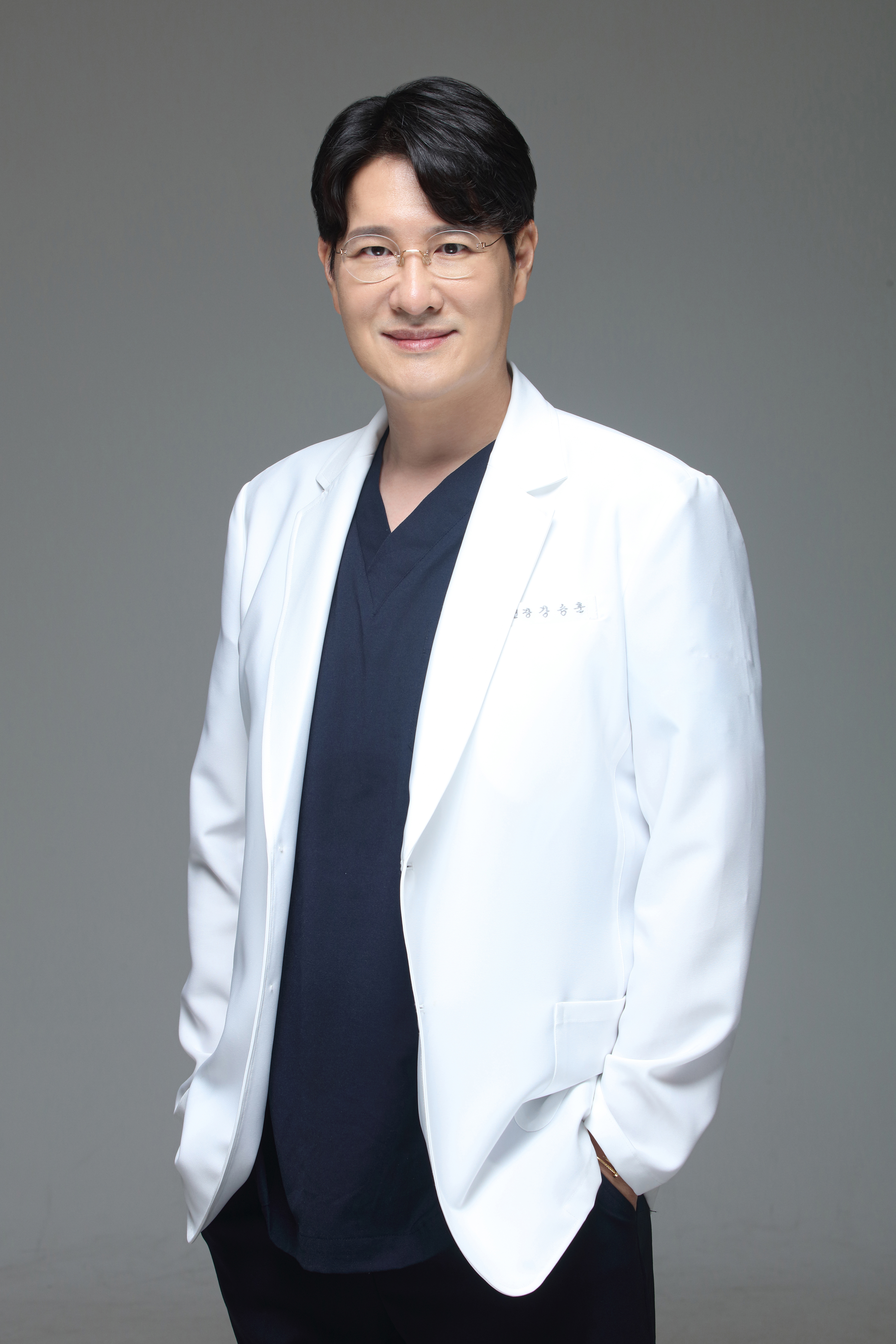
Direct Care by Head Physician Dr. Kang Seung-hoon
From consultation to treatment, our head physician is personally involved at every step. This is a core principle at Cellon Clinic — ensuring consistent diagnosis and reliable results.
Same Standard of Care for Every Patient
International patients from Japan, China, Southeast Asia, and beyond receive the exact same treatment process and aftercare as local patients. Post-departure follow-up via messenger is also available.
Comprehensive Regenerative Treatment Lineup
Beyond standalone Exosome therapy, we offer customized combination regenerative programs that integrate Rejuran, skin boosters, and Stem Cell Fat Grafting to address your unique skin concerns.
Frequently Asked Questions — Exosome Treatment FAQ
Results vary depending on your skin condition and the treatment method used, but many patients notice improvements in skin texture and radiance within 1–2 weeks. Collagen-based elasticity improvements tend to appear gradually over 4–8 weeks. Unlike the immediate volume boost you'd get from fillers, what you'll experience is a deeper change in the quality and feel of your skin itself.
It depends on the extent of skin damage and your treatment goals. For preventive anti-aging purposes, 3 sessions spaced 3–4 weeks apart is a common starting point. For more intensive regeneration — such as acne scar repair or sun damage recovery — additional sessions may be recommended. At Cellon Clinic, we'll work with you during your first consultation to build a personalized session plan.
In most cases, yes — you can resume daily activities on the same day. However, if microneedling is used as part of the procedure, some redness and sensitivity may occur in the first 24–48 hours. During this period, we recommend avoiding heavy makeup, direct sun exposure, and high-heat environments such as saunas or hot baths.
No — Exosomes are signaling molecules secreted by stem cells, not the living cells themselves. Because no live cells are directly injected, it's fundamentally different from cell transplantation therapies. Exosome treatments use standardized bioactive components derived from cells, which allows for consistent quality control and a more predictable treatment experience.
Absolutely. Cellon Clinic has a dedicated process for international medical tourists. We can conduct a pre-visit consultation to plan your treatment before you arrive, and post-treatment follow-up care is available via messenger after you return home. Please confirm availability of Japanese or Chinese language support when making your reservation.
Is Exosome Treatment Right for Your Skin? Let's Find Out Together
It's completely normal to feel unsure about which regenerative treatment is the best fit for you. At Cellon Clinic, we'll take a close look at your skin condition and walk you through the most suitable regenerative medicine options—together.
Chat with Us on WhatsApp