
If You Gain Weight After Fat Grafting, Will the Transplanted Fat Grow Too?
It's one of the most common questions we hear in consultations. Since the surviving fat cells are living tissue that becomes part of your body, they can expand when you gain weight — and shrink when you lose it. Breaking the question into "minor weight fluctuations" vs. "significant changes" makes it much easier to understand what to expect.
Many patients considering facial fat grafting want to naturally restore volume lost to aging. But a common concern comes along with that goal: if they gain weight later, will only the grafted areas look overly full and unnatural? And if they lose weight, will all that carefully restored volume suddenly disappear?
This article isn't here to promise specific results. Instead, we want to explain — in plain language — what happens to grafted fat once it integrates into your body, and how it responds to changes in weight. Cellon Clinic in Cheongdam is a Designated Advanced Regenerative Medicine Hospital recognized by Korea's Ministry of Health and Welfare, and we approach Stem Cell Fat Grafting, Liposuction, and anti-aging as a connected, holistic design. At consultations with our lead physician Dr. Kang Seung-hoon, weight management is discussed just as often as the aesthetic plan itself.
Once Engrafted, It's Your Own Fat
Surviving fat cells develop their own blood supply and become living, metabolically active tissue — not a static filler gel.
Weight Gain Enlarges the Cells
In adults, fat cells typically increase in size rather than number. As triglycerides accumulate, the volume expands accordingly.
Rapid Weight Swings Are the Real Variable
Minor day-to-day fluctuations of 2–3 kg are rarely a concern. It's dramatic weight changes over a short period that can potentially affect facial proportions.
The Transplanted Fat Is Living Tissue

Fat grafting is not like injecting hyaluronic acid filler, where a fixed shape stays locked in place. It is a tissue transplant procedure in which your own fat — harvested from areas like the abdomen or thighs — is purified and carefully placed into areas that need volume, such as the cheeks, nasolabial folds, forehead, or under-eye region. The fat cells that successfully connect with the surrounding blood supply are what we call "engrafted" fat.
Understanding the distinction between before and after engraftment makes the weight question much clearer. In the first few weeks after the procedure, what you see is a mix of swelling and fat that is still finding its place. It is easy to mistake this temporary volume for weight gain. Once engraftment has stabilized, the surviving fat cells behave just like native fat — storing and releasing energy as part of your normal metabolism.
The FAMI (Fat Autograft Muscle Injection) technique involves precisely distributing fat into the well-vascularized layers around muscle tissue, creating a more favorable environment for engraftment. Because volume tends to last longer when engraftment is stable, the impact of weight changes can also be more pronounced. Simply put, the more living cells that survive, the more they respond alongside your body weight. This is why maximizing engraftment and managing your weight afterward are not separate concerns — they work together to protect your results.
The amount of fat that engrafts and how it behaves over time varies depending on factors such as skin thickness, injection depth, smoking, nutrition, swelling, and individual metabolism. The same retention rate cannot be guaranteed for everyone.
Why Can Grafted Fat Grow When You Gain Weight?
When adults gain weight, fat cells typically don't multiply dramatically in number — instead, each individual cell expands in size. Excess energy is stored inside the cells as triglycerides, increasing overall volume. Grafted fat cells that have successfully engrafted follow the exact same biology. So the short answer to "can the area where I had fat grafting get fuller if I gain weight?" is: yes, it can.
There's a subtle catch here, though. Fat harvested from the body doesn't always behave the same way as fat that was originally in your face. Abdominal and thigh fat tends to have a stronger tendency to store energy, while facial fat is often less reactive to weight fluctuations. This means that with significant weight gain, the grafted area may become noticeably fuller than the surrounding facial tissue. The reverse is also true — with weight loss, the grafted volume may appear to shrink, and if the loss is rapid, the skin may lose support and appear lax.
When You Gain Weight
Grafted fat cells enlarge, which can increase volume in the treated area. If the donor site fat has a strong storage tendency, the grafted area may look fuller than the surrounding facial fat. This is a relatively lasting change — not the same as temporary swelling.
When You Lose Weight
Fat cells shrink, which can reduce the grafted volume. Rapid weight loss may cause the area to appear deflated or leave excess skin laxity. Extreme caloric restriction right after grafting can also create an unfavorable nutritional environment for the engraftment process.
It's difficult to draw a hard line with numbers. Minor fluctuations of around 2–3 kg often don't make a visible difference in the face. That said, because the face contains a relatively small absolute amount of fat, even the same number of kilograms can look more proportionally noticeable there than on the body. Changes in the range of 7–10 kg, along with significant metabolic shifts such as pregnancy, breastfeeding, or rapid dieting, are more likely to alter the appearance of the grafted area. Individual variation, the amount of fat that successfully engrafted, and the layer in which it was placed all affect how this plays out — there's no one-size-fits-all formula.
Swelling, Overcorrection, and Weight Gain All Make Your Face Look Bigger — But for Different Reasons
If you attribute every instance of "my face looks bigger after fat grafting" solely to weight gain, you're likely missing the real picture. The cause matters, because each one requires a different timeline and approach to manage.
Post-Procedure Swelling
The initial added volume is often a mix of swelling and unsettled fat. As time passes, the contours tend to settle down naturally — and this process is largely independent of what the scale says.
Graft Volume Design
There's a meaningful difference between grafting with extra volume to account for expected take rates versus placing fat too superficially or unevenly on one side. Your face can look fuller even without any weight change — which is why design decisions need to be dialed in from the start.
Weight Gain
Once the grafted fat has fully integrated, a meaningful rise on the scale can lead to hypertrophy of the transplanted cells, adding visible volume. In these cases, fullness tends to persist even after any swelling has resolved.
Post-Yo-Yo Imbalance
When weight fluctuates up and then back down, the grafted area and the rest of the face may lose volume at different rates and proportions. Rather than returning to your original look, you may end up with a different facial balance — which is exactly why dramatic weight swings are best avoided.
Grafted fat isn't a fixed volume like filler — it's living tissue that responds to your body's metabolism. That's why when we discuss facial design, we always look at your weight trends alongside everything else.
Dr. Kang Seung-hoon, Medical Director · Cellon ClinicHow to Think About Weight Before and After Your Procedure
This isn't a treatment that demands a perfect number on the scale. That said, it's worth asking yourself first: "Is my current weight a range I can realistically maintain?" Answering that honestly makes it much easier to protect your results long-term.
Before the Procedure: Aim for a Stable Range
Ideally, you'll be close to your target weight with a relatively steady 2–3 month trend beforehand. Drastic weight loss right before the procedure can shift facial fat volume and skin elasticity, essentially moving the goalposts for the design. If you're planning a pregnancy or have a significant weight goal in mind, please bring that up during your consultation.
During the Engraftment Period: Avoid Extreme Dieting
The early engraftment phase is when transplanted cells are establishing their blood supply. Severely cutting calories or neglecting protein and sleep can create an unfavorable environment for recovery. We generally advise against trying to slim your face down through aggressive dieting right around this period, as it can undermine the process before it's complete.
Afterward: Just Avoid Large Swings
You don't need to stress over the normal day-to-day fluctuations that come with everyday eating. What matters is avoiding large weight changes over a short period of time. If you're planning lifestyle changes like a new exercise routine or diet, easing into them gradually after your facial proportions have settled will help you maintain a natural, balanced look.
Face vs. Body: Weight Doesn't Affect Them the Same Way
Even with the same autologous fat, the total volume involved differs significantly between areas. On the face, a change of just a few cc's can noticeably shift your appearance, while the body involves much larger volumes — meaning weight fluctuations tend to show up more visibly as changes in overall shape and fullness. What reads as "slightly fuller cheeks" on the face might translate to "a change in body contour" elsewhere.
It's also important to consider the donor site. Fat left behind in the abdomen or thighs — wherever it was harvested — can still expand if you gain weight. This is the key point: transplanted fat isn't isolated tissue; it remains part of your body's overall fat distribution. At Cellon Clinic, precise body contouring procedures like VASER Liposuction and facial rejuvenation treatments are performed under the same roof, which means your harvesting and grafting can be planned as a single, cohesive process. For patients traveling from abroad, we align your weight status and recovery schedule to the same clinical standards.
The timing of any touch-up is also closely tied to weight. As covered separately in our discussion of fresh versus banked fat, the key prerequisite for deciding on additional grafting is whether your current weight is one you can realistically maintain. Adding more volume while your weight is still fluctuating significantly may mean proportions need to be readjusted down the line.
Fat Grafting & Weight: Frequently Asked Questions
Will minor weight gain show up on my face right away?
Small fluctuations of around 2–3 kg often don't make a noticeable difference in the face. Changes tend to be more visible when there's a significant gain over a short period, or when a larger volume of fat was grafted to areas prone to storing fat. Everyone responds differently, so the number on the scale alone doesn't tell the whole story.
If I lose weight, will all the grafted fat disappear?
Rather than the grafted cells vanishing entirely, they tend to shrink in size, which reduces volume. How much of a difference you'll notice depends on how much weight is lost, how well the fat was retained, and your skin's elasticity. Rapid weight loss can lead to a deflated appearance and loose skin, so gradual, steady changes are generally more favorable.
Does better fat retention mean weight changes have a bigger impact?
The more living fat cells that survive, the more tissue you have that responds to changes in body weight. An approach that optimizes the retention environment can help maintain volume, but it doesn't eliminate the importance of managing your weight. The longer-lasting the result, the more your lifestyle habits determine how well it holds up over time.
Is it better to finish dieting before the procedure?
It's generally easier to plan the design when your weight is close to your goal and stable. That said, extreme caloric restriction right before the procedure can put added stress on recovery and the retention environment. If you're planning a significant weight loss, it's safer to discuss the timing and grafting volume together during your consultation.
How can I tell the difference between post-procedure swelling and actual volume gain?
Much of the initial puffiness is often due to swelling rather than added fat. If your weight hasn't changed much but your face looks temporarily fuller, swelling is usually the more likely cause. If fullness remains in a specific area even after the swelling subsides — and your weight has also increased — it may indicate a change in the size of the grafted fat. Bringing photos and weight records to your follow-up appointment makes it much easier to distinguish between the two.
Ready to Discuss Your Weight Patterns and Facial Goals?
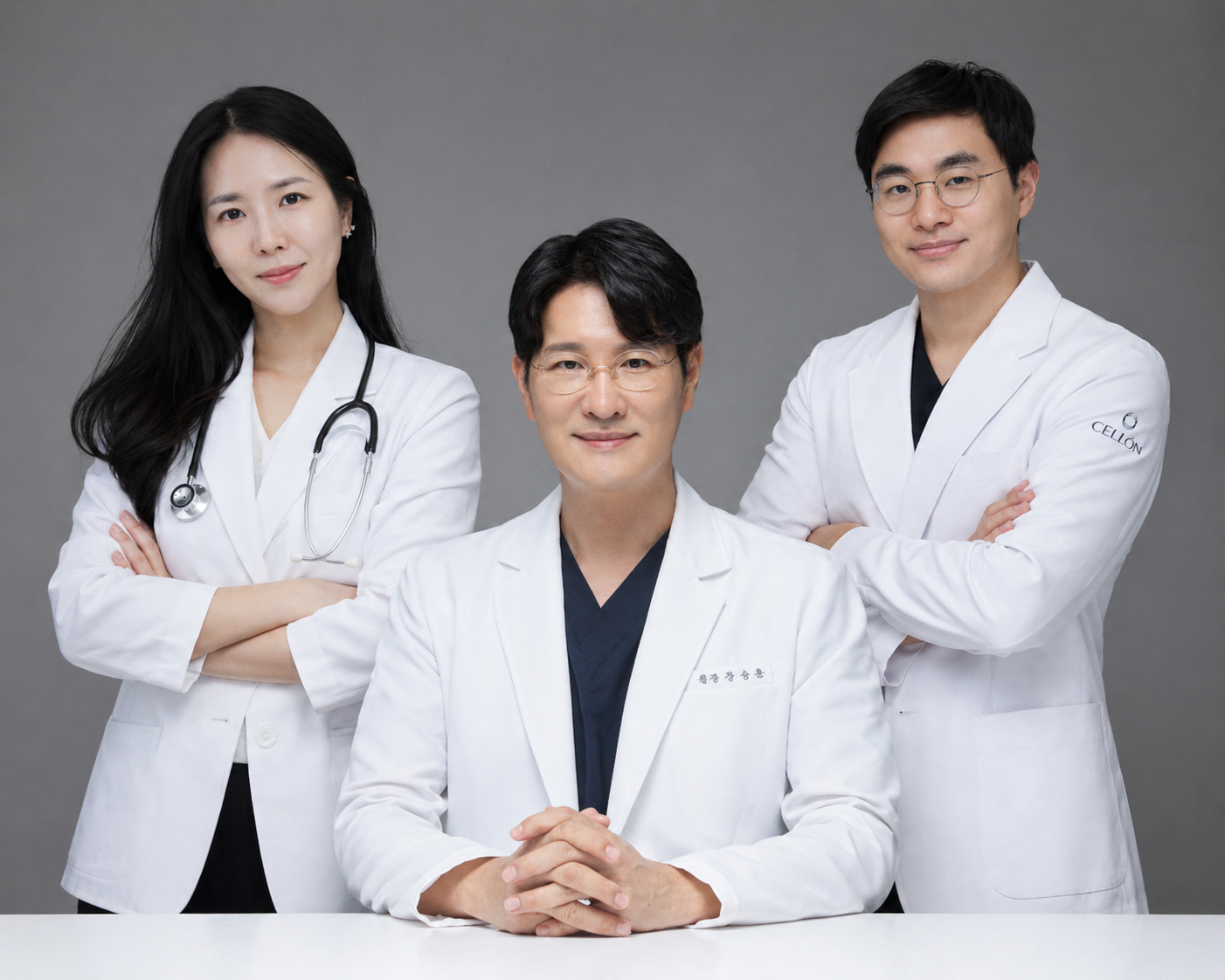
Whether your current weight is within a stable range and how future fluctuations might affect your results — these are questions best answered by reviewing your photos and lifestyle together. At Cheongdam Cellon Clinic, we'll connect you directly with Dr. Kang Seung-hoon for a personalized consultation. For inquiries, please reach out via WhatsApp.
Book a Consultation on WhatsApp