
If You Gain Weight, Will Your Facial Fat Graft Grow With It?
Will grafted fat get bigger if you put on weight? It's one of the most common questions we hear at Cheongdam Cellon Clinic. Once the transferred fat has fully engrafted, it becomes living tissue — so it doesn't stay completely independent from the rest of your body when your weight fluctuates.
Fillers are essentially materials that break down over time, while fat grafting involves transplanting your own cells into a new location. That's why the question isn't just "how much survives" — it's how the surviving fat responds to future weight changes, because that's what ultimately shapes your appearance. If you're worried about yo-yo weight fluctuations, or if you didn't get a chance to mention upcoming weight changes during your consultation, this article is worth reading before your next appointment.
The transplanted fat doesn't become a foreign substance — it becomes part of you
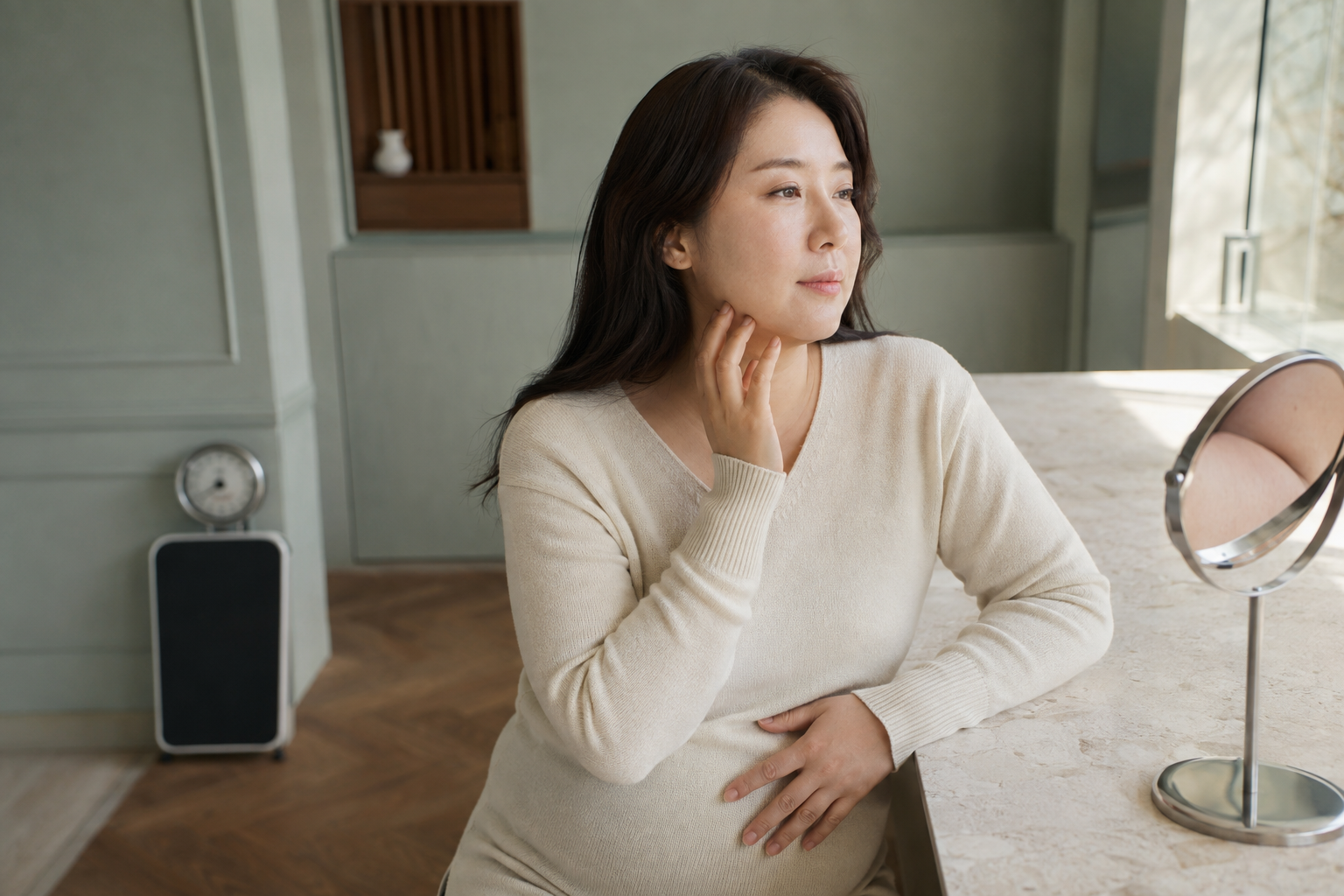
The key to fat grafting is whether the transplanted fat cells can establish a blood supply in their new location and survive. Cells that fail to take hold are gradually absorbed over the course of weeks to months, while the surviving cells take on the job of maintaining volume in that area. This process is known as fat survival, or "take."
Fat cells that have successfully taken are living cells that store triglycerides. In adults, when body weight changes, volume tends to shift more through the enlargement or shrinkage of existing cells (hypertrophy or atrophy) rather than a sudden increase in cell count. Grafted fat is no exception to this principle.
Cellon Clinic is a Ministry of Health and Welfare–designated Designated Advanced Regenerative Medicine Hospital in Cheongdam, specializing in Stem Cell Fat Grafting alongside anti-aging care. The FAMI (Facial Autologous Muscle Injection) approach involves placing small amounts of fat in layers with relatively stable blood flow. This layered technique is designed not only to optimize the environment for fat survival, but also to prevent the face from looking puffy or unnatural as a single mass when weight fluctuates.
Weight gain can increase volume. Weight loss can reduce it.
Simply put, when you gain weight, the grafted fat cells can expand along with the rest of your body. When you lose weight, they can shrink. That said, it's not a 1:1 ratio between body weight and facial volume — the rate at which overall body fat increases doesn't perfectly mirror how the transplanted fat in your face responds.
When you gain weight
The grafted fat cells store more lipids, increasing in volume. The cheeks, temples, and nasolabial area may appear fuller and heavier. If too much fat was placed to begin with and body weight rises on top of that, it's common to feel that the face looks larger overall.
When you lose weight
The grafted fat can diminish as well. This isn't a sign that the procedure has stopped working — it simply reflects the fact that living tissue responds to the body's overall energy state. Areas that were once restored may begin to look hollow again.
Fat harvested from the abdomen or thighs is generally considered more metabolically active — it's more inclined to store energy. Native facial fat, by comparison, tends to be less sensitive to fluctuations in body weight. This is why, when weight increases, the transplanted volume may become more prominent than the surrounding original facial fat. The degree to which this occurs varies significantly from person to person.
The key takeaway isn't that weight gain will automatically make your face look larger — it's that sharing your typical weight patterns before the procedure allows your provider to adjust the volume and placement accordingly. If you're planning to lose weight after the procedure, designing the treatment around your current face could affect how your results look once that weight comes off.
Face vs. Body: Same Weight Change, Very Different Results
The face is a small canvas — even a 2–3 mm difference in volume reads as a visible change in appearance. The same 2–3 kg fluctuation can make cheeks look fuller, blur the jawline, or add heaviness under the eyes. Body fat grafting, by contrast, covers a much larger surface area, so the same weight shift tends to be far less noticeable.
Facial Fat Grafting
Even a small volume change can dramatically alter your look. Weight gain can make the face appear puffy; weight loss can cause hollowing. Rather than placing a large amount all at once, a staged approach — assessing graft survival first, then refining — makes it much easier to anticipate how weight fluctuations will affect the result.
Body Volume Grafting
Because the treatment area is larger, a 2–3 kg weight shift tends to have a gentler, more gradual effect compared to the face. That said, significant weight cycling can soften the contour again — which is why maintaining a stable weight is central to long-term results, whether you've had liposuction, fat grafting, or both.
Someone who wants their face to look "naturally refreshed" and someone who insists "it must never look fuller" will need very different volume allowances — even with the same graft survival rate. At Cellon Clinic, we make sure to understand your preferences before we ever discuss how much to place. Even with regenerative medicine-based fat grafting, the amount we inject doesn't make the decision for you — you do.
How to Think About Weight Before and After the Procedure
Your weight doesn't stay fixed forever — and that's okay. What matters is understanding that the phase when grafted fat is settling in, versus periods of significant weight fluctuation afterward, require different ways of reading your results. Dr. Kang Seunghoon, Medical Director, makes a point of asking not just about your schedule, but also your recent weight history and your day-to-day lifestyle going forward.
Keep Your Weight Stable Before the Procedure
Rapid weight loss or gain right before the procedure can throw off the planned graft volume. Coming in as close to your everyday weight as possible makes it much easier to predict and plan your results accurately.
Avoid Extremes During the Engraftment Phase
Crash dieting or repeated overeating immediately after the procedure can disrupt swelling, graft survival, and overall appearance at the same time. Try to maintain consistent nutrition and sleep while keeping major weight swings to a minimum.
Evaluate Volume After the Stabilization Period
Trying to assess your results while initial swelling and graft absorption are still ongoing can lead to premature conclusions. The remaining volume is best evaluated after several months, once things have fully settled.
Minimize Large Weight Swings Long-Term
Even after the graft has taken, significant weight fluctuations will cause the transferred fat to move along with it. Whether your face looks fuller or more hollowed over time often comes down less to the procedure itself and more to how much your weight fluctuates afterward.
Fat grafting isn't a "done once, done forever" procedure. It needs to be planned with your future weight trajectory in mind. Placing the same volume in someone who plans to gain weight and someone who is actively losing weight is not a path toward the same outcome.
Dr. Kang Seunghoon, Medical Director · Cellon ClinicStability Makes Results the Most Predictable
When your weight before and after the procedure is similar, the grafted volume is more likely to settle naturally into your appearance. You don't need to be perfectly consistent — just avoiding major swings goes a long way toward reaching the goals discussed during your consultation.
Share Any Plans That Might Affect Your Weight
If you have upcoming events that could shift your weight — such as pregnancy, planned weight loss or gain, or an extended time abroad — please mention them. The graft volume and timing of any touch-ups can be adjusted accordingly.
In consultations with Dr. Choi Younghwan as well, the cause of a face appearing fuller or more hollowed is never attributed to weight alone. Skin thickness, ligaments, bone structure, and the layer of placement all overlap and interact. Weight is simply one important piece of a much larger picture.
Frequently Asked Questions
If I gain weight, will only the transplanted fat grow disproportionately?
It's not so much that the transplanted fat balloons on its own — rather, the engrafted cells can expand along with overall weight gain. Because of the characteristics of fat taken from the donor site, some people notice it becomes more prominent than their natural facial fat. The degree varies considerably from person to person.
Is it okay to diet right after the procedure?
While the fat is still settling in, extreme calorie restriction can put added stress on recovery and volume stability. If weight management is necessary, it's safer to discuss timing with your provider. Please coordinate a schedule during your consultation before starting any aggressive weight-loss plan on your own.
If my weight keeps yo-yoing, should I hold off on fat grafting?
When your weight fluctuates significantly, it becomes difficult to set a reliable target volume. It's not an absolute contraindication, but planning at a relatively stable weight makes it much easier to predict and evaluate results. Whether to wait or take a more conservative approach depends on your facial condition and schedule.
With PAMI fat grafting, will my face stay the same size even if I gain weight?
PAMI fat grafting uses a layered placement approach that accounts for the engraftment environment — but it doesn't prevent weight gain itself. The idea is that compared to concentrating fat in one area, this method reduces the likelihood of the face looking like it's swelling up as one mass when weight changes.
Will I need a touch-up if I put on weight?
If anything, weight gain tends to increase volume, so touch-ups are rarely urgent in that scenario. On the flip side, weight loss can cause volume to diminish, which is when a supplemental treatment might be worth discussing. Whether a touch-up is needed isn't determined by the number on the scale alone — it's assessed by looking at the face as a whole after the graft has stabilized.
Engraftment levels and how the body responds to weight changes vary from person to person, and specific outcomes or duration cannot be guaranteed. Whether to proceed and the scope of treatment will be determined after an in-person consultation.
Let's Plan Your Weight Changes and Facial Volume Together
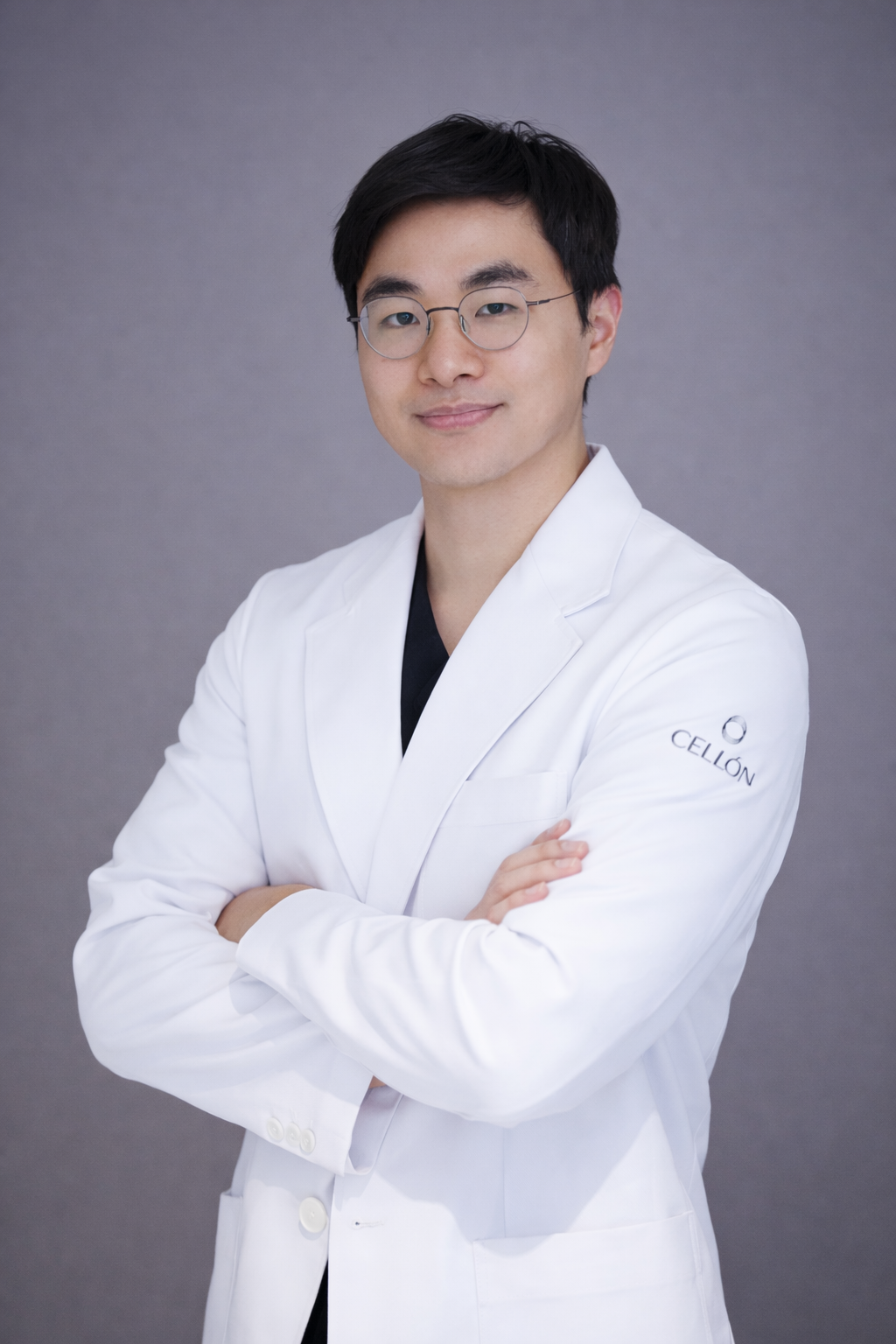
If you're expecting weight gain, planning to lose weight, or worried about yo-yo effects, please share that with us before we discuss treatment volume. At Cheongdam Cellon Clinic, Dr. Kang Seunghoon will review both graft retention and your lifestyle patterns together.
Chat with Us on WhatsApp