
CELLON CLINIC · CHEONGDAM
If You Gain Weight After Fat Grafting, Will the Transferred Fat Grow Too?
It's one of the most common questions we hear during consultations. Unlike fillers, which can be dissolved, transferred fat becomes your own living tissue — meaning weight fluctuations can affect your results. That said, "gaining weight automatically makes your face bigger" is an oversimplification that doesn't tell the whole story.
The transplanted fat isn't a foreign substance — it's living fat cells

Fat grafting involves harvesting fat from areas with excess — such as the thighs or abdomen — and transferring it to sunken areas of the face or body. The key is getting living cells to take root in their new location. Once blood vessels reconnect and the cells resume normal metabolic activity in place, they no longer function as a foreign substance — they become part of the surrounding tissue. This process is called engraftment.
Before engraftment is complete, some of the transferred fat is naturally reabsorbed. How much remains depends on the harvesting and purification technique, the injection layer, blood flow, compression, and individual healing. What matters is what comes after. The fat cells that survive retain their original function of storing energy. When you gain weight, those cells can expand in volume; when you lose weight, they can shrink. Just because fat has been grafted doesn't mean it becomes a fixed volume unaffected by changes in body weight.
Your natural facial fat
Facial fat serves different roles depending on the compartment. It supports expressions, creates contour and shadow, and some layers respond relatively slowly to weight fluctuations. The hollowing that comes with aging isn't just about fat loss — it also involves changes in bone structure, ligaments, and skin elasticity.
Engrafted fat from transplantation
Transplanted fat may retain some of the metabolic characteristics of the donor site. The more fat that successfully engrafts, the more noticeable the volume change may be with weight fluctuations — and vice versa if less survives. The relevant measure isn't how much was injected, but how much actually survived.
Weight gain can affect the results — but the rate and extent vary by area
When you gain weight, fat cells primarily store energy through hypertrophy (the cells themselves growing larger). Grafted fat is no exception. Areas where facial expressions are visible — such as the cheeks, nasolabial folds, temples, and jawline — tend to show even subtle changes more noticeably, while broader areas like the buttocks, chest, or backs of the hands may feel different even with a similar proportional change.
The concern many people have about "only the grafted area puffing up disproportionately" tends to come up more with rapid, significant weight gain rather than modest fluctuations. The face naturally has less fat to begin with, making it more sensitive to change than body areas. On the other hand, gradual shifts of around 2–3 kg often move in tandem with surrounding tissue, so the result may not look awkward. That said, individual variation and graft distribution make it impossible to generalize.
When You Lose Weight — and When the Yo-Yo Keeps Coming Back
The flip side is just as important to discuss during a consultation. Grafted fat can shrink when you lose weight. The claim that "transplanted fat never goes away" simply isn't medically accurate. That said, the process isn't as straightforward as all your facial volume vanishing at once — what you see is a combination of your original fat, the engrafted portion, skin thickness, and bone structure all working together.
With repeated yo-yo cycles, the issue goes beyond just how much volume you have. As the skin and soft tissue repeatedly expand and contract, elasticity deteriorates — meaning the same body weight can result in less defined contours. This is why fat grafting results shouldn't be viewed as a "fixed value," but as a moving variable along your weight curve.
Gradual Weight Loss
When you reduce food intake and increase activity slowly, the grafted area and surrounding tissue tend to decrease at a similar pace. It's a good idea to check in with a clinic for skin elasticity and texture before any noticeable hollowing occurs.
Rapid Weight Loss or Regain
Large fluctuations over a short period can be more visibly apparent in the face. Forced dieting immediately after a procedure can also stress the engraftment environment — so aligning your recovery schedule with your weight management plan should come first.
Does Stem Cell Fat Grafting Eliminate the Effects of Weight Changes?
The short answer is no — it doesn't remove your body's response to weight fluctuations. Techniques like Stem Cell Fat Grafting using stromal vascular fraction (SVF) and the FAMI method (which accounts for blood flow around muscle layers) are best understood as strategies that optimize the environment for fat survival. The more stable the surviving cells, the longer-lasting the results — but those cells still respond to caloric surplus or deficit.
Cheongdam Cellon Clinic is a Ministry of Health and Welfare–designated Designated Advanced Regenerative Medicine Hospital, and we apply the same clinical standards to both fat grafting and regenerative medicine treatments. When Dr. Kang Seung-hoon asks about your weight history during a consultation, it's not a formality — it's essential to the treatment plan. Whether you're likely to gain weight, planning to lose it, or whether we're focusing solely on the face versus a broader body contouring approach, all of these factors influence how much is injected and at which tissue layer.
How to Approach Your Weight Before and After the Procedure
There's no single "ideal" weight that works for everyone. That said, there are consistent principles that come up in every consultation: have the procedure done when you're close to your goal weight, and avoid dramatic weight fluctuations during the engraftment period. If you have an event coming up — a wedding, a photoshoot, a seasonal diet plan — let us know in advance. Sometimes it's better to wait; other times, it makes more sense to start conservatively and assess the results over time.
Start by reviewing your weight trend over the past 6 months
If there have been significant fluctuations, we'll look at the underlying causes — diet, hormones, exercise, fluid retention. Temporary swelling and actual fat gain call for very different approaches.
Match the donor site to the recipient area
Fat quality varies depending on where it's harvested. Delicate areas like the face and volume-focused areas like the body require different planning, all calibrated around your target weight.
Keep your weight stable during the engraftment period
In the early stages, even factors like compression garments, sleep position, and swelling can affect results. Extreme dieting or overeating during this window makes it difficult to accurately assess outcomes.
In the maintenance phase, the goal is harmony — not rigidity
Once your lifestyle weight stabilizes, we use that as the baseline for discussing touch-ups or skin elasticity treatments. If your weight shifts first, volume assessments become less reliable.
Frequently Asked Questions
If I gain a little weight, will only the areas where fat was grafted get bigger?
Not necessarily. Fat cells throughout your body store energy together, so it's not just one area that responds. That said, the face is a small surface area where expressions are always visible — so even a proportional change can feel more noticeable there. The more rapid the weight gain, the more pronounced it tends to feel.
Will dieting make all the grafted volume disappear?
Grafted fat that has successfully integrated can shrink with weight loss, but it won't necessarily disappear entirely. How much changes depends on the degree and pace of weight loss, as well as your natural facial structure. Rapid weight loss can also affect skin elasticity, so it's best to discuss your plans with us in advance.
Does Stem Cell Fat Grafting make the results less affected by weight changes?
It's not a procedure that blocks your body's response to weight changes. The focus is more on optimizing the environment for fat cell survival — and those cells will still respond to metabolic changes afterward. If you have weight-related plans coming up, please share them with us before discussing which technique to use.
How stable does my weight need to be before and after the procedure?
There's no universal number. What helps most is having had no significant weight fluctuations over the past several months and no major planned changes in the near future. If you have events coming up — like a postpartum period, a competition, or a shoot that requires dieting — we may recommend adjusting your timing accordingly.
Do the face and body respond differently to fat grafting when weight changes?
Even though the fat cells are the same, how changes appear differs by location. In the face, even small shifts can alter your overall impression. In the body, changes show up across the broader contour and skin texture. That's why we explain donor and recipient sites separately during consultation.
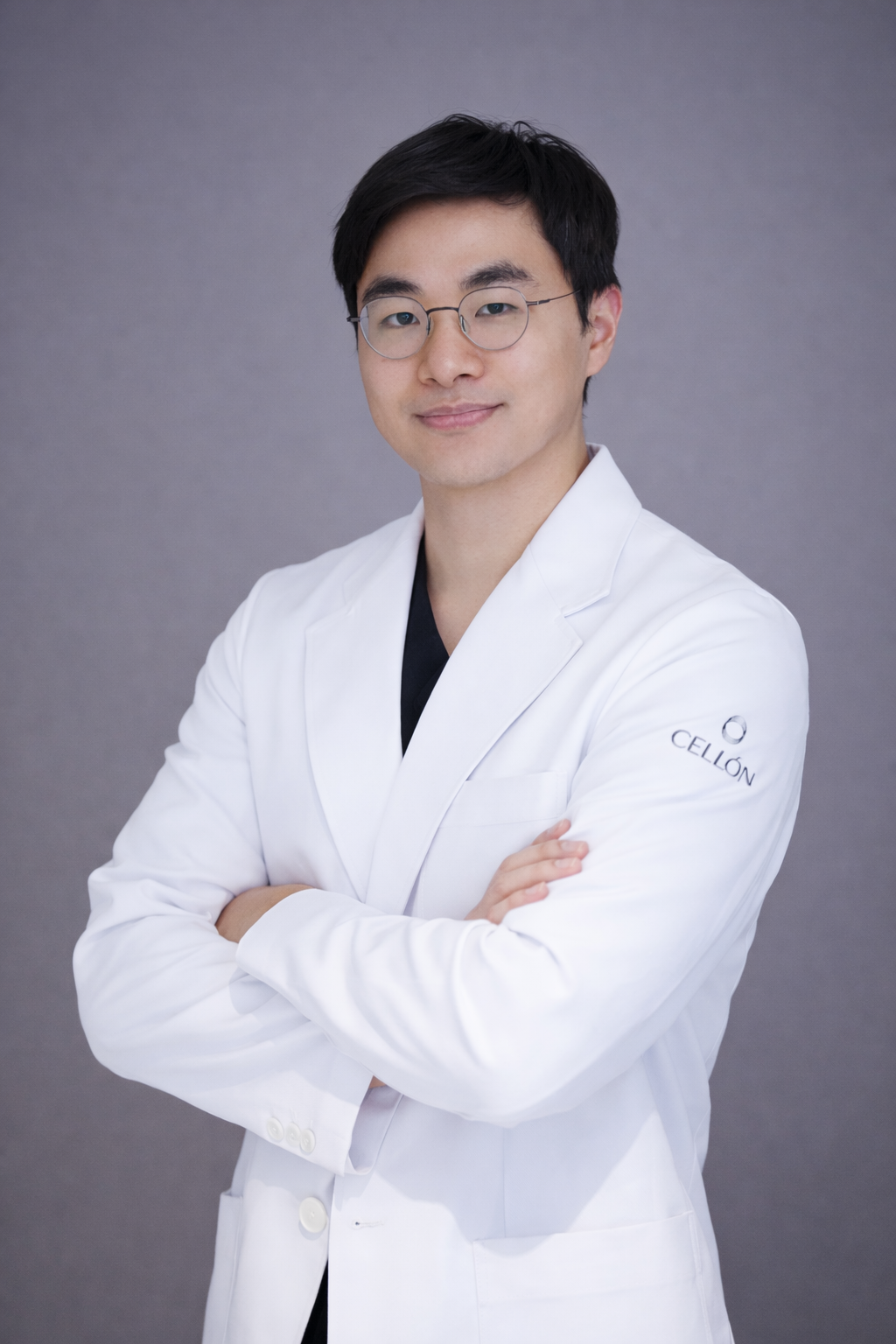
We Factor In Your Weight Goals Too
Fat grafting looks most natural when we design it around your long-term lifestyle weight and graft survival — not just the volume on the day of the procedure. At Cheongdam Cellon Clinic, Dr. Kang Seung-hoon will start by reviewing your current weight trends and goals together.
Chat with Us on WhatsApp