
If Your Weight Changes After Fat Grafting, What Happens to the Transplanted Fat?
The fat that successfully engrafts isn't a foreign substance — it's living tissue that's truly part of you. When you gain weight, it can grow. When you lose weight, it can shrink. The real question isn't simply "will it change?" but rather "where, how much, and by how much?"
This is one of the most common questions we hear during consultations about fat grafting. "If I gain weight later, will only my grafted cheeks get rounder?" "If I yo-yo, will my face end up looking uneven?" These are completely valid concerns. While there's plenty of discussion about aging and engraftment rates, how grafted fat actually responds to weight fluctuations rarely gets a clear, thorough explanation. Today, rather than diving into the technical side of the procedure itself, let's break down — in plain language — how weight changes, yo-yo dieting, and the characteristics of the donor site can all influence your final results.
The fat we transfer isn't a filler — it's your own living tissue
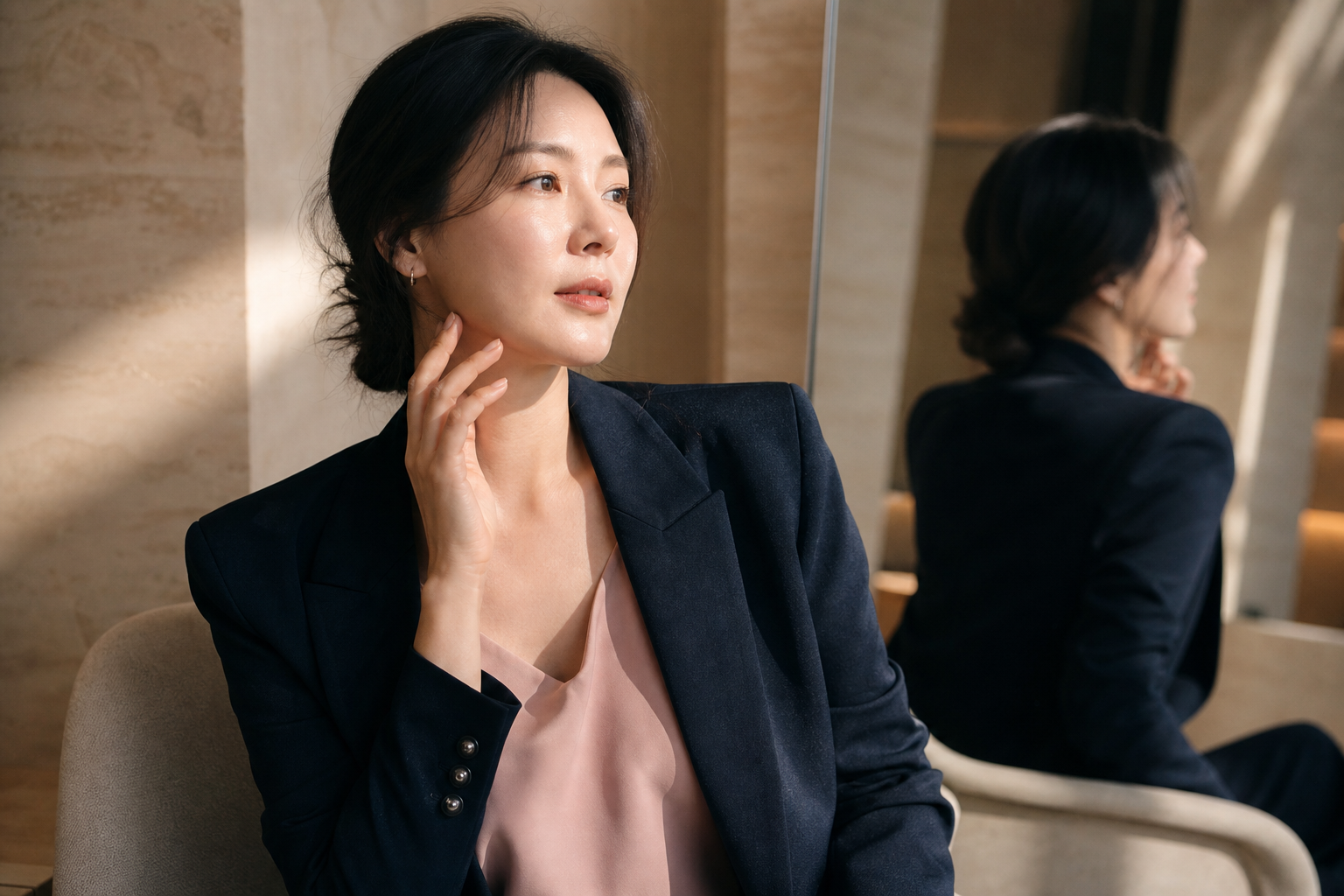
Fat grafting isn't about attaching something foreign to hold a shape in place. It's a process in which fat tissue harvested from your own body is relocated to the desired area, where a portion of it establishes a new blood supply and survives. The fat cells that successfully engraft become living tissue at that site, carrying their share of volume. That means if your weight goes up, each of those cells can expand — and if it goes down, they can shrink.
In adults, changes in fat tissue tend to show up first as a change in cell size (hypertrophy) rather than a sudden spike in cell count. That said, significant weight fluctuations can eventually affect the number of cells as well. This is why "gaining a little weight" and "experiencing major yo-yo weight changes" can look so different in the face. Engraftment rates can't be pinned down to a single number — they vary widely depending on how the fat is harvested, processed, and injected, as well as each person's blood flow and lifestyle habits.
Surviving fat cells behave like native tissue, responding to your body's metabolism.
As cells expand in size, added volume in the treated area can become especially noticeable.
Engrafted volume can decrease as well, potentially revealing hollowness or signs of aging again.
Being close to your goal weight before and after the procedure helps make results more predictable.
Why Your Face Shows Weight Gain Before Your Body Does
Even a gain of just 2–3 kg tends to show up on the face first. The face is a small, concentrated area, and grafted sites like the cheeks, nasolabial folds, and temples naturally draw the eye. Engrafted fat expands within the available space in that region — cheeks that were once subtly volumized can look noticeably fuller, and the jawline may appear heavier. Meanwhile, areas that weren't treated, like the forehead or temples, change less, which can make the overall facial balance feel slightly off.
This isn't a sign that something went wrong — it's simply living tissue responding to changes in your body's metabolism. If a larger-than-necessary amount was placed initially, and then weight increases rapidly, the combined effect of engraftment and weight gain can make results look unnatural. That's why at Cellon Clinic, we don't just focus on filling today's hollows — we factor in your weight history and long-term habits to carefully calibrate the right volume for 1–2 years down the line.
When You Gain Weight
- Volume in the grafted areas may increase along with overall weight gain.
- The face can appear rounder and heavier, while body contours may look less defined.
- Overcorrection combined with rapid weight gain can amplify an unnatural appearance.
When You Lose Weight
- Engrafted fat may also reduce in volume as you lose weight.
- The donor site, grafted site, and untreated areas don't all slim down at the same rate.
- When skin elasticity and muscle mass change simultaneously, the overall appearance shifts even more noticeably.
When you lose weight, it's not quite the same as "going back to how it was"
As you lose weight, grafted fat cells shrink along with the rest of your body fat. However, the areas where fat was harvested, the areas where it was injected, and the untouched areas don't all reduce at the same rate — because fat cells in different parts of the body have varying hormone receptors and blood flow environments. Some people worry that after losing weight, only the grafted fat will remain, leaving an uneven look. In practice, the grafted fat does tend to shrink as well, but because overall facial fat distribution, skin elasticity, and muscle mass all change simultaneously, the end result is difficult to predict with a simple calculation.
Rather than crash dieting or extreme rapid weight loss, gradual weight management that preserves muscle mass will keep your facial contours more stable. After facial fat grafting in particular, if the tone of the facial muscles — around the temples and expression muscles — deteriorates, the skin can be left sagging and the jawline may appear less defined as fat volume decreases. On the flip side, gaining weight too rapidly can cause the grafted areas to expand first, blunting the contours you originally worked toward.
Even small volume changes can significantly alter your appearance. Weight fluctuations tend to make the face look puffy first. In many cases, gradual touch-up sessions are safer than adding excessive volume all at once.
Higher-volume areas such as the chest, shoulders, and hands tend to show more noticeable shape changes with weight gain or loss. This is why body contouring and weight management are best considered together.
The "Character" of the Donor Site Stays with the Fat After Transfer
Not all fat is created equal. Abdominal fat tends to be relatively sensitive to weight fluctuations, while fat from the inner thighs and buttocks is known to be more resistant to change. Interestingly, these characteristics appear to carry over even after the fat has been transplanted. In other words, the metabolic traits of the donor site can persist in the recipient site. This is why the source of fat used in facial grafting matters — it directly influences how the treated area responds to future weight gain or loss.
At Cellon Clinic, fat grafting is approached through the lens of Stem Cell Fat Grafting (FAMI — Fat Autograft Muscle Injection), with careful consideration given to harvesting, processing, and the precise layer of placement. Rather than simply adding volume, the goal is to place fat within well-vascularized tissue layers to optimize engraftment — while also accounting for potential weight changes down the line. As a Cheongdam Designated Advanced Regenerative Medicine Hospital, we integrate regenerative medicine-based treatments with fat grafting and anti-aging care within a unified treatment framework. Under the direct care of Chief Physician Dr. Kang Seung-hoon, treatment planning looks beyond current volume loss — factoring in your weight history and the natural trajectory of aging to determine the right amount and placement.
Weight itself isn't the enemy of fat grafting. What disrupts the design is unpredictable yo-yo fluctuations. The key to a natural result lies in selecting the right amount, placement layer, and donor site — all tailored to each patient's individual weight patterns.
— Dr. Kang Seung-hoon, Chief Physician, Cellon ClinicRealistic Weight Expectations Before and After the Procedure
We can't promise a perfect number — everyone's baseline weight, body composition, and lifestyle are different. That said, the guidance we most often share during consultations comes down to this: schedule your procedure when you're close to your goal weight and don't anticipate major fluctuations in the near future. If your weight is still going up and down, you've recently given birth, or you've just come off a crash diet, it helps to stabilize your routine first — that way your results are far more predictable.
Before the procedure, stay close to your target weight
Rather than thinking "I'll diet after the procedure," it's safer to design your results at the weight you plan to maintain. A stable weight over several months becomes your reliable baseline.
Avoid major weight swings during the early engraftment period
The first few weeks to months are when blood supply is establishing itself and volume is settling into place. Significant yo-yo weight changes during this window make outcomes much harder to predict.
Afterward, keep your weight within a stable range
This doesn't mean you can never gain a pound. It simply means that gradual, moderate fluctuations within a reasonable range will do the most to preserve your contour. We'll discuss a personalized recommended range for your body type during your consultation.
If significant weight changes are expected, consider a staged volume approach
The idea that more volume equals longer-lasting results is especially risky for the face. If weight continues to increase after engraftment, excess volume can suddenly become very noticeable all at once.
When planning body and facial procedures together, sequencing matters
If you're making major changes to both your body contour — through VASER Liposuction, Hi-Def sculpting, or similar — and your facial fat grafting at the same time, we evaluate overall body weight and the characteristics of the harvested fat separately.
To Prevent Unnatural Results, Design and Aftercare Go Hand in Hand
Patients hoping for a natural recovery after fat grafting typically worry about two things: too little volume that fades away, or too much that makes the face look overly full. Weight fluctuation amplifies both concerns. Gaining weight can suddenly make excess volume obvious, while losing weight can reduce graft survival and bring back signs of aging. That's why your weight history before the procedure, the precise volume and layering during it, and your lifestyle management afterward all need to work together as one cohesive plan.
International patients receive the same standard of consultation, treatment, and graft survival guidance. However, if periods of significant weight gain or loss overlap with your procedure schedule, it can compromise your results — so coordinating your timeline in advance is essential. Weight management planning is equally emphasized during consultations with Dr. Choi Young-hwan.
Frequently Asked Questions
If I gain weight, will only the grafted area look rounder?
Yes, the grafted fat can increase in size with weight gain. However, rather than just the treated area growing disproportionately, what typically happens is that fat increases throughout your entire face and body — making the grafted area appear more prominent. Since the face has a smaller surface area, even modest weight gain can be more noticeable there than on the body. Avoiding over-correction and maintaining consistent weight habits can help minimize any unnatural appearance.
If I lose weight, will the fat grafting results disappear?
The grafted volume can decrease with weight loss. It's less a matter of results "disappearing" and more a natural reduction in volume proportional to your weight loss. Individual variation is significant, so it's impossible to predict exactly how much change you'll see. Losing weight gradually while preserving skin elasticity and muscle tone tends to have less impact on facial contours. If hollowness reappears, a touch-up consultation is always an option.
Is weight fluctuation more harmful before the fat has fully engrafted?
The early phase is when the grafted fat establishes new blood vessels and settles into place. During this period, sudden weight changes, dietary restriction, or smoking can negatively affect the engraftment environment — so it's important to follow your doctor's guidance closely. There is a meaningful difference between general weight changes after engraftment has stabilized and dramatic fluctuations during the early recovery stage.
How does the response to weight changes differ compared to fillers?
Fillers are foreign materials, so they don't expand like fat cells when you gain weight. However, the surrounding tissue can still change with weight fluctuations, altering your overall facial impression. Grafted fat, once it survives, behaves like your own natural fat and changes along with your body. The right choice depends on factors like how long you want results to last, how much volume you need, and your weight management habits — neither option is universally superior.
If I build muscle through exercise, will the grafted area look larger?
Volume in a fat grafting site is primarily determined by fat cells, not muscle. Increased muscle mass won't directly cause that area to swell. That said, if the facial muscles, neck, or trapezius become more developed, your overall facial contours may appear different. Healthy muscle mass actually helps reduce weight rebound and supports skin elasticity, so steady exercise paired with gradual weight management is generally recommended.
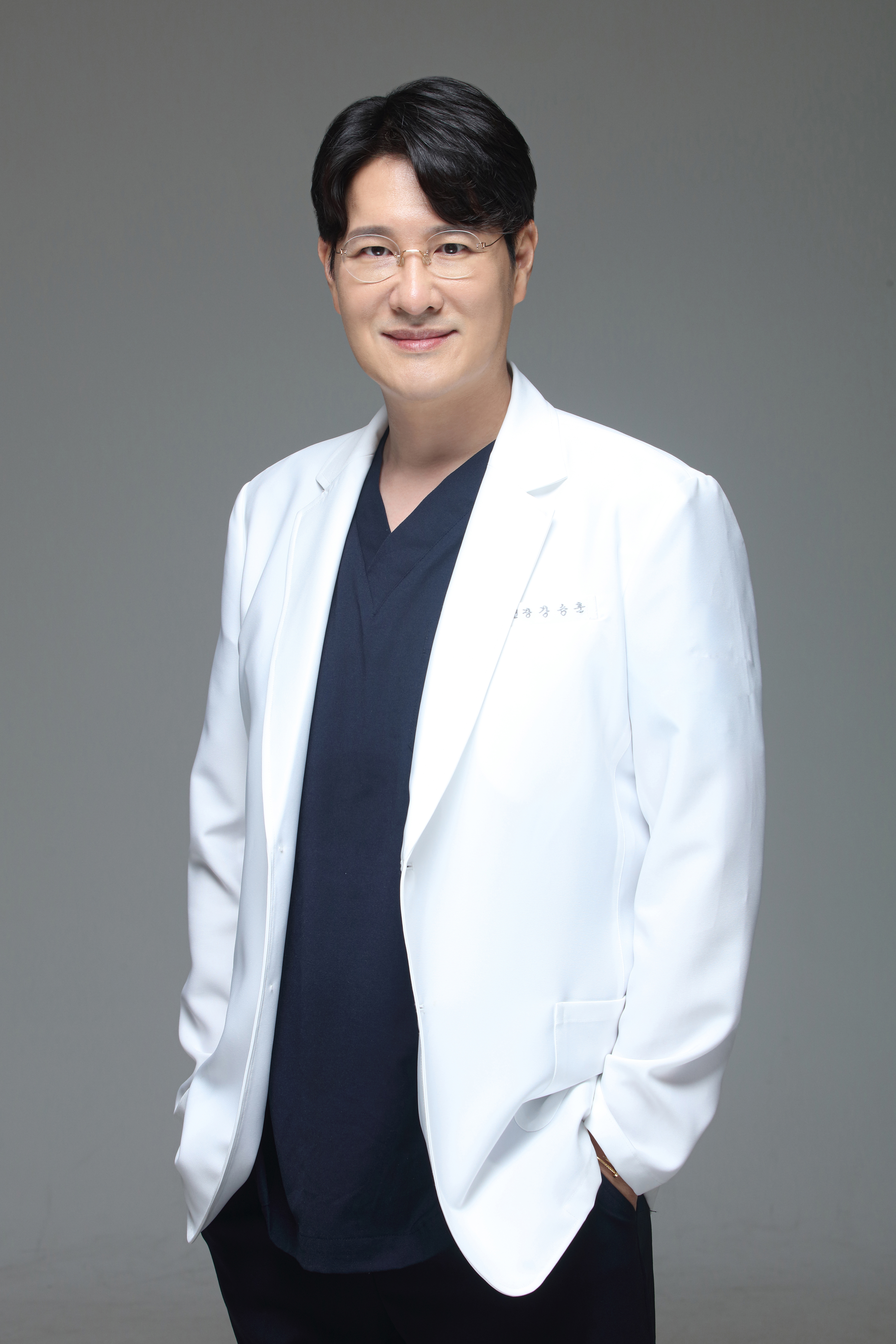
Want a Fat Grafting Plan That Accounts for Your Weight Patterns?
At Cellon Clinic Cheongdam, Dr. Kang Seung-hoon will personally consult with you — reviewing your yo-yo risk, donor sites, and optimal grafting layers. Domestic and international patients receive the same standard of care.
Chat with Us on WhatsApp