
Post-Op Care Makes or Breaks Your Abdominal Etching Results
Why What You Do After Surgery Matters More
With Hi-Def Abdominal Etching, your aftercare routine — not the day of surgery — is what ultimately determines your final results. Here's a detailed breakdown of when to exercise, how to eat, and what Cellon Clinic's post-operative protocol looks like at every stage of recovery.
Abdominal Etching: The Real Work Happens After the Procedure

VASER Hi-Def Abdominal Etching uses precision ultrasound energy to selectively remove abdominal fat and reveal the three-dimensional contours of the rectus abdominis and external oblique muscles. While the precision of the procedure itself lays the foundation for your results, what you do during recovery makes all the difference in the final outcome.
In fact, even among patients who undergo the exact same procedure, the clarity of definition, skin elasticity, and long-term maintenance can vary noticeably depending on how they approach their post-procedure routine. This is precisely why Cellon Clinic puts just as much effort into guiding patients through their recovery protocol as it does into the initial consultation.
"With Abdominal Etching, the surgeon creates the lines — but it's the patient who completes them. The three months of recovery are the true finishing stage of the procedure."
— Dr. Kang Seung-hoon, Chief Medical Director, Cellon Cliniccontours to fully stabilize
and results become visible
critical early post-procedure care
Step-by-Step Recovery Timeline — What to Do and When
Recovery after VASER Hi-Def Abdominal Etching unfolds in four distinct phases. Since each phase calls for different actions and restrictions, understanding the timeline is the foundation of proper aftercare.
Days 1–3 Post-Treatment — Initial Inflammatory Response
During this phase, your body triggers a natural inflammatory response to protect the treated area. Swelling, bruising, and a sense of pressure will be at their most intense. Wear your compression garment around the clock and avoid any strenuous movement. Stay well-hydrated, but steer clear of high-sodium foods. Short, gentle walks (10–15 minutes) support circulation, but any movement that engages the abdominal muscles is strictly off-limits.
Weeks 1–2 Post-Treatment — Peak Swelling and the Beginning of Reduction
This is when swelling is most noticeable. It's common to feel like the results aren't quite what you expected — but that's completely normal and part of the healing process. Continued compression garment wear helps prevent fibrosis and supports skin re-adherence. At Cellon Clinic, this is typically when we incorporate therapeutic ultrasound or lymphatic drainage treatments. Showering may be permitted per your provider's instructions, but baths, saunas, and swimming remain off-limits.
Weeks 3–6 Post-Treatment — Contour Stabilization
As swelling continues to subside, your abdominal definition begins to emerge. Light lower-body cardio — such as walking or stationary cycling — can be carefully reintroduced during this phase. However, high-intra-abdominal-pressure exercises like planks, crunches, and leg raises are still prohibited. Focus on a protein-rich diet, and avoid overeating, as fluctuations in fat cell volume can affect your results.
6 Weeks to 3 Months Post-Treatment — Results Fully Emerge and Maintenance Routine Takes Hold
Core training can be gradually reintroduced during this phase. Your abdominal definition will become increasingly sharp, and the skin will have fully settled into its new contour. With your provider's guidance, progressively incorporating weight training and core-strengthening exercises will help your results last longer and look even better. The lifestyle habits you build during this phase ultimately determine how well your results hold up over the years ahead.
Dietary Strategy — How to Eat to Keep Your Abs Defined
No matter how precise your Abdominal Etching procedure is, if body fat accumulates again, those sculpted lines will disappear. The procedure removes fat — it doesn't prevent new fat from forming. That's why diet management is the single most important factor in maintaining your results.
Foods to Actively Include
- High-protein, low-fat — chicken breast, tofu, egg whites, Greek yogurt
- Anti-inflammatory foods — salmon, avocado, olive oil, turmeric
- Dietary fiber — vegetables, oats, brown rice to prevent blood sugar spikes
- Adequate hydration — 1.5–2L per day, directly supports lymphatic circulation and reduces swelling
What to Avoid During Recovery
- High-sodium foods — instant noodles, soups, processed foods (worsens swelling)
- Alcohol — dilates blood vessels, triggers inflammation, and delays recovery
- Simple sugars — white rice, sugar, soda (promotes fat re-accumulation)
- Excess caffeine — can impair recovery by promoting fluid loss
For the first six months after Abdominal Etching, prioritize "balanced protein replenishment" over strict dieting. Eating too little can slow muscle recovery and leave your ab definition looking less sharp.
— From Cellon Clinic's Nutrition & Recovery GuidelinesExercise Timeline After Abdominal Etching — What You Can Do and When
Many people assume that getting back to exercise sooner is always better after Abdominal Etching. In reality, jumping back in too early can lead to fibrosis, uneven surface texture, and asymmetrical results. The timeline below serves as a general guideline — always confirm with your physician based on your individual recovery.
| Timeline | Permitted Activities | Activities to Avoid |
|---|---|---|
| Weeks 1–2 | Short flat-surface walks (10–15 min), light household tasks | All exercise, climbing stairs excessively, lifting heavy objects |
| Weeks 3–4 | Light walking (30 min), lower-body stretching | Any activity that increases abdominal pressure, running, swimming |
| Weeks 5–6 | Stationary cycling, low-intensity lower-body exercises | Crunches, planks, leg raises, heavy weightlifting |
| Weeks 6–8 | Light full-body movement, Pilates (no core work), select yoga poses | High-intensity interval training (HIIT), heavy core training |
| 3+ Months | Gradual return to core exercises, resuming weight training | Intense abdominal training without physician clearance |
Cellon's Post-Treatment Care Protocol — We're With You Every Step of the Way
At Cellon Clinic, our medical team personally monitors your recovery following VASER Hi-Def Abdominal Etching through a structured aftercare system. Delivering results and keeping you safe throughout the process — that's the Cellon way.
Compression Garment Management Protocol
In the early stages of recovery, your medical-grade compression garment essentially acts as a secondary treatment. Because it directly influences swelling reduction, skin re-adhesion, and fibrosis prevention, Cellon provides personalized guidance on wearing duration, compression level, and replacement schedule. We generally recommend wearing it for 4–6 weeks or more, as improper use can lead to uneven results.
Lymphatic Drainage & External Care Treatments
Lymphatic drainage is highly effective at quickly eliminating fluid and waste that accumulates in the tissue after VASER treatment. During weeks one and two of recovery, Cellon may incorporate external ultrasound therapy or drainage sessions to help reduce swelling and restore skin elasticity. The decision is made by our medical team based on each patient's individual recovery progress.
Regenerative Medicine-Based Supportive Treatments
As a Designated Advanced Regenerative Medicine Hospital under the Ministry of Health and Welfare, Cellon Clinic has access to regenerative treatments such as Exosome and Rejuran therapy to support your recovery. These options promote skin regeneration and elasticity restoration. If the skin shows signs of laxity or reduced firmness after Abdominal Etching, these treatments can be combined following a consultation with our medical team.
Scheduled Progress Monitoring
In line with our lead physician's commitment to direct personal care, we strongly encourage patients to visit the clinic immediately if they notice any unusual signs during recovery — such as abnormal hardness, asymmetry, or changes in skin color. Follow-up appointments are scheduled at 1 week, 3 weeks, 6 weeks, and 3 months post-treatment. For international patients, remote consultations are available for partial monitoring.
Avoid These Common Mistakes — They Can Ruin Your Results
These are the most frequent mistakes patients make during recovery. They may seem minor, but each one can meaningfully impact how defined your ab lines look and how long those results last.
Resuming Core Exercises Too Soon
Eager for faster results, some patients jump back into planks, crunches, and other ab exercises before their body has fully healed. This can irritate the fibrous tissue in the treated area, leading to unevenness and asymmetry. Core workouts should only be restarted after at least 6 weeks and with explicit clearance from your provider.
Removing Your Compression Garment Early
Some patients stop wearing their compression garment early because it feels uncomfortable or the swelling seems to have gone down. But compression isn't just about reducing puffiness — it helps your skin conform smoothly to your new contours. Stopping before your provider gives the go-ahead can result in uneven skin adherence.
Crash Dieting to Speed Up Definition
In a rush to reveal their ab lines, some patients resort to extreme calorie restriction during recovery. This actually backfires — it causes muscle loss and reduces skin elasticity, making the lines appear less defined. During recovery, prioritizing nutritional balance and adequate protein intake matters far more than rapid weight loss.
Saunas and High-Heat Exposure
Saunas, steam rooms, and hot baths during recovery promote vasodilation and inflammatory responses that worsen swelling and slow healing. Avoid high-heat environments for at least 4 to 6 weeks, and consider switching to lukewarm showers — even before bed — during this period.
Abdominal Etching Aftercare — Frequently Asked Questions
Post-Abdominal Etching Care, Perfected with Cellon
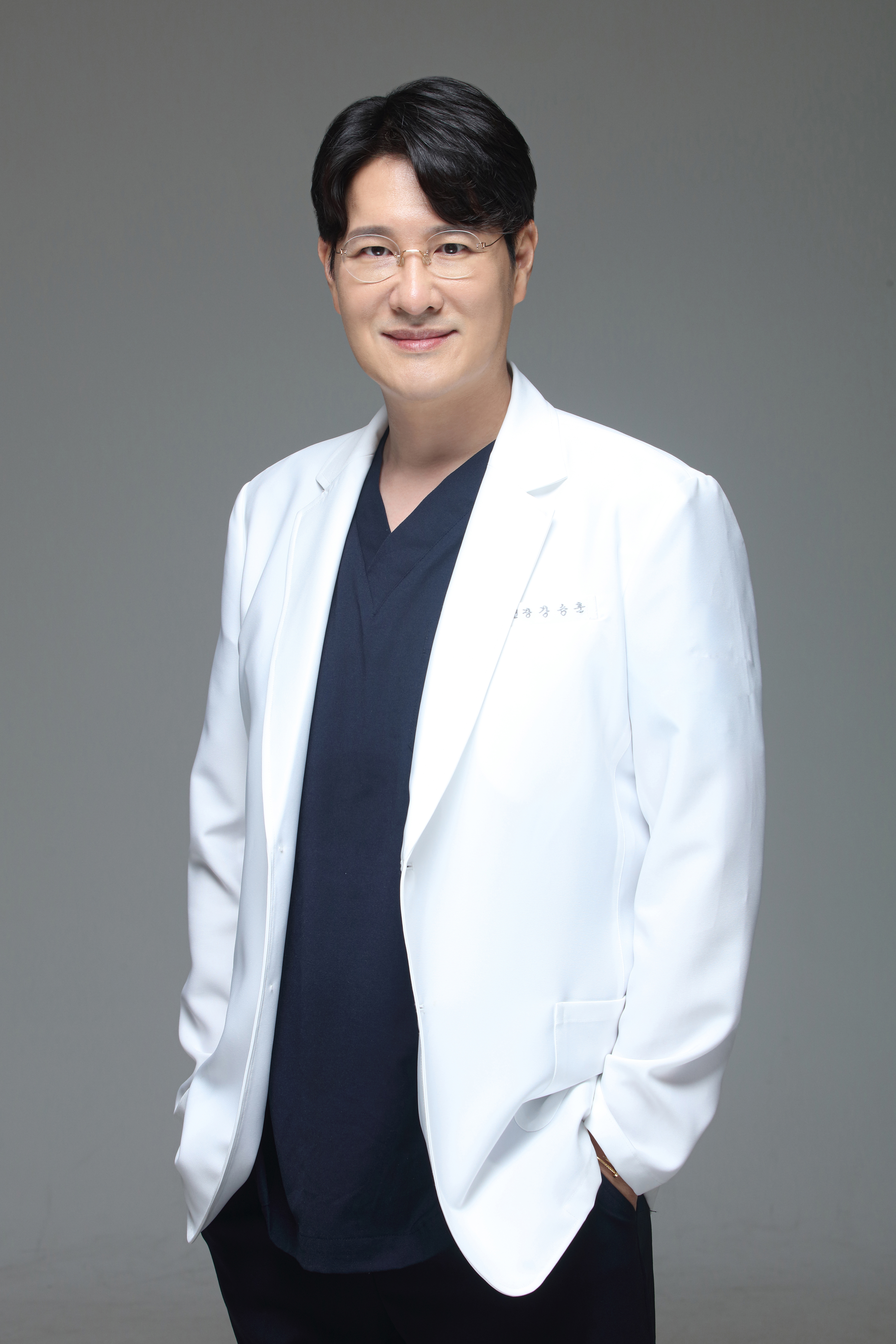
What happens after your procedure matters just as much as the procedure itself. At Cellon Clinic, Dr. Kang Seung-hoon personally oversees everything — from Hi-Def Abdominal Etching to your full recovery and aftercare. Have questions? Feel free to reach out via WhatsApp anytime.
Chat with Us on WhatsApp