
How to Maintain Your Results After Abdominal Etching
For your newly defined contours to stay sharp, the timing of exercise during recovery, stable weight, and overall skin condition all play an important role.
After Abdominal Etching, it is easy to feel as though the definition you see in the mirror will stay exactly the same. However, the essence of Hi-Def Abdominal Etching is not creating and attaching new muscles. Instead, it is a precision procedure that removes fat between the muscles and above the fascia to reveal the contours you already have. That is why aftercare can have just as much impact on the clarity of your results as the procedure itself.
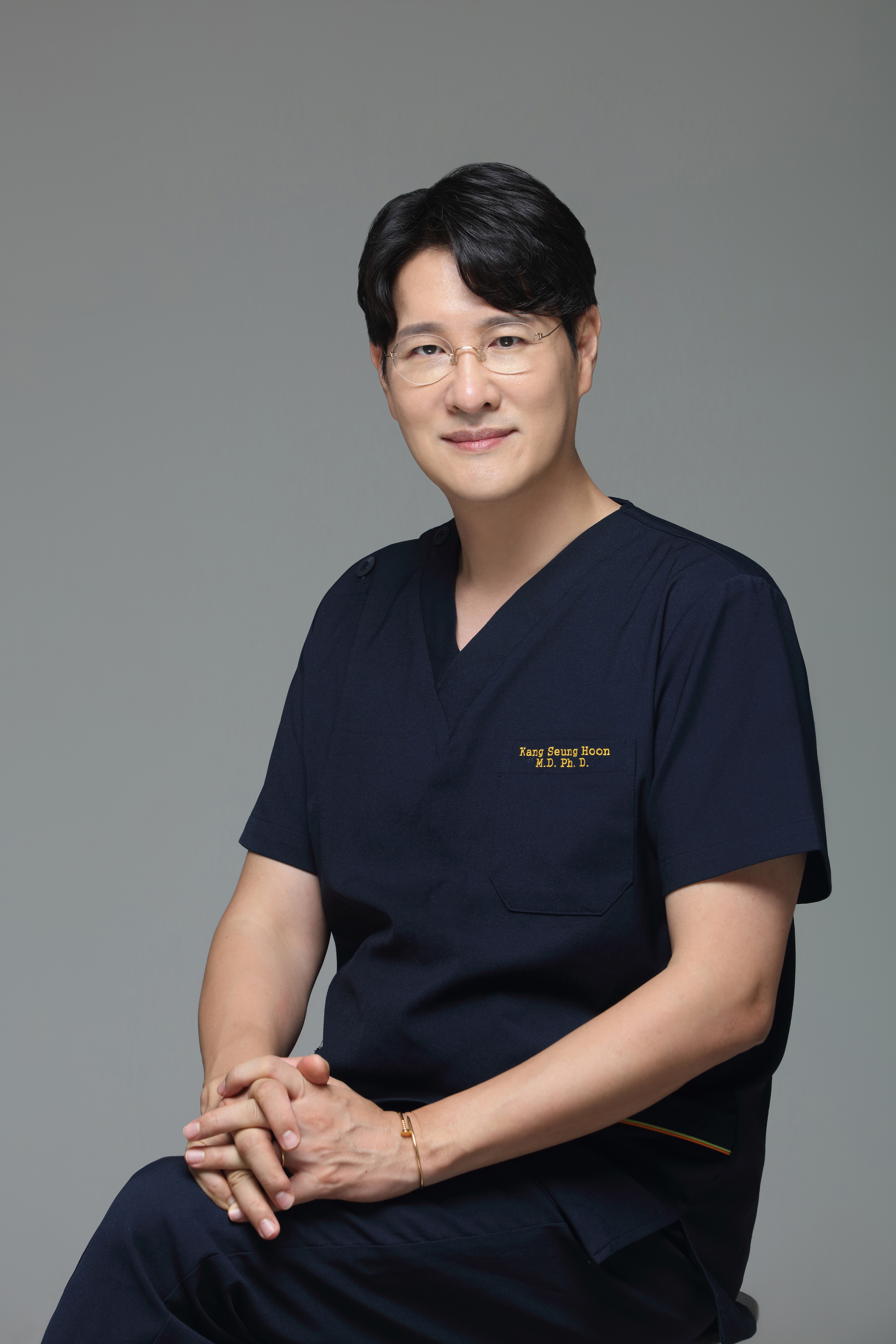
As a Designated Advanced Regenerative Medicine Hospital in Cheongdam, Cellon Clinic specializes in VASER Liposuction and Hi-Def Abdominal Etching as part of its precision body-contouring approach. Under the direct care of Medical Director Kang Seung-hoon, the clinic follows the same standards of care for both local and international patients. This guide focuses on what happens after the procedure—not just the procedure itself—and offers practical advice for protecting your results.
Abdominal Etching Isn’t About Carving Muscles—It’s About Revealing Them

A defined six-pack usually comes from two factors working together. The first is the volume and separation of the muscles themselves, such as the rectus abdominis and external obliques. The second is keeping the layer of subcutaneous fat covering them thin and even. High-definition Abdominal Etching focuses on the latter by selectively reducing the fat that obscures the muscle lines with VASER ultrasound, helping bring the contours into sharper view.
Understanding this distinction is important for a simple reason. Once the number of fat cells is reduced in a treated area, it becomes less likely to regain its previous fullness. However, the remaining fat cells can still enlarge with weight gain. Fat accumulation in untreated areas can also change the overall balance of your body contours. If muscle mass decreases, the definition itself may appear less pronounced, and if the skin loses elasticity, the contours can look blurred.
Returning to daily life too quickly and relying on the procedure alone
Resuming high-intensity core workouts while swelling is still present, or experiencing significant weight fluctuations, may make the definition look less sharp and slow the recovery process. It is easy for the expectation that “the results will maintain themselves because I had the procedure” to fall out of step with the body’s actual healing timeline.
Building a recovery protocol into your schedule
Breaking down compression, walking, diet, and the timing of exercise resumption into gradual stages allows enough time for swelling to settle and the skin to adhere smoothly to the underlying contours. In many cases, the final definition takes shape over several weeks to several months—not immediately after the procedure.
High-definition Abdominal Etching isn’t magic that sculpts new muscles. It is the process of removing the fat that hides the muscles you already have, and maintaining that definition over time requires consistent attention to both your weight and core condition.
Seung-Hoon Kang, Medical Director · Cellon ClinicExercise During Recovery: When Can You Start, and What Is Safe?
One of the most common concerns after Abdominal Etching is, “When can I start exercising again?” Engaging your core too soon may prolong swelling and discomfort, while avoiding exercise for too long can lead to muscle loss and make your definition appear less pronounced. The timeline below is for general guidance only. Your surgeon’s instructions should always take priority, as the appropriate time to resume activity depends on bleeding, swelling, and the condition of the skin’s attachment to the underlying tissue.
Short walks indoors may support blood and lymphatic circulation. Avoid excessive stretching or straining.
Start with activities that do not significantly increase abdominal pressure, such as walking on a flat surface or low-intensity cycling.
It is safer to begin crunches, planks, and leg raises only after the skin and fascia have stabilized, starting with light resistance.
- Week 1: Focus on walking. This is when induration, or a feeling of firmness and tightness, and swelling are often most noticeable. Postpone movements that excessively arch your back or place direct pressure on your abdomen. Wearing your compression garment for the prescribed amount of time is important for helping the skin adhere smoothly.
- Weeks 2–3: Encourage circulation, but hold off on core exercises. As discomfort decreases, you can gradually extend your walking time. Coordinate the timing and intensity of lymphatic massage or radiofrequency treatments with your medical team. Vigorous self-massage may actually make unevenness appear more noticeable.
- Weeks 4–6: Build your overall conditioning first. Light upper- and lower-body weight training may be considered if it places minimal direct strain on the abdomen. Lifting movements and high-intensity HIIT that sharply increase abdominal pressure may still be too aggressive at this stage.
- Weeks 6–12: Train your core for function, not just to show off your abs. Begin with controlled movements such as draw-ins coordinated with breathing, dead bugs, and side planks. High-repetition crunches aimed at making the contours created by the procedure look even deeper may only increase skin irritation.
What Can Happen If You Rush
Performing heavy core exercises while swelling is still present may prolong discomfort or temporarily make the contours look more irregular. The desire to “feel your six-pack as soon as possible” can sometimes interfere with the healing process.
What Can Happen If You Wait Too Long
Taking an extended break even from walking and light full-body movement can slow circulation and contribute to muscle loss, making your definition look flatter. It is better to plan your return to exercise in stages rather than simply trying to endure a prolonged period of inactivity.
How Diet and Weight Help Preserve Six-Pack Definition
The most common factor that can blur Hi-Def results is significant weight fluctuation. Even when the number of fat cells in the treated area has been reduced, ongoing excess calorie intake can cause the remaining cells to enlarge. Fullness around untreated areas, such as the waist, back, and lower abdomen, may also soften the overall definition.
On the other hand, rapid weight loss is not always the answer. If the skin and soft tissue cannot adapt quickly enough, the contours may look hollow or develop fine, wrinkled lines. After Abdominal Etching, the goal of your diet is not a “detox” or an extreme eating plan—it is to keep your weight stable within a relatively narrow range.
Protein Provides the Building Blocks for Muscle Definition
During recovery, protein supports tissue repair and helps maintain muscle mass. Rather than consuming most of your protein in one meal, spreading your daily intake across meals is often better for digestion and satiety. We generally recommend meeting your needs through food first, before relying on supplements.
Sodium and Alcohol Can Trigger Swelling
Salty foods and alcohol can increase fluid retention, temporarily making your definition look less sharp. Swelling is also a normal part of the early recovery period, so when these factors overlap, your reflection may appear less defined than your actual result.
Think of Weight as a Range, Not a Single Number
Using your stable pre-procedure weight as a reference, avoiding major fluctuations afterward can help preserve your contours. When travel, business trips, or social gatherings affect your routine, looking at your weekly average is more realistic than trying to “make up for it” in a single day.
Hydration Is About Supporting Circulation, Not Dehydrating Yourself
Drastically cutting back on water can actually make fluid retention more likely. Rather than increasing caffeine excessively, it is gentler on your abdominal condition to drink fluids consistently throughout the day and avoid overeating at night.
There is one more point I often share with women in their 30s to 50s. Hi-Def is not limited to people with an exceptionally slim body type. However, when hormonal changes, muscle loss, and reduced skin elasticity occur at the same time, it is more natural to consider the timing of resuming strength training and the condition of the skin, rather than trying to maintain definition through diet alone. For patients traveling from overseas, coordinating your dietary plan and compression garment schedule in writing before departure can also help prevent gaps in aftercare caused by language barriers.
Why Compression Garments, Lymphatic Care, and Skin Quality Help Maintain Your Contours
There’s a reason the process doesn’t end with exercise and diet alone. Hi-Def is a procedure that precisely targets the tissue just beneath the skin, so how evenly the skin settles against the fascia can affect the final definition of your contours. Compression garments are often recommended not simply because they are uncomfortable, but because they help support this process and manage swelling.
Compression is typically recommended for several weeks, but Hi-Def may require a more structured compression schedule than conventional body-contouring liposuction. Whether you should wear the garment only during the day or while sleeping as well depends on your swelling, skin creasing, and pain patterns. If the garment is too loose, it may not provide meaningful compression; if it is too tight, it can interfere with circulation. Proper fitting is therefore an important part of aftercare.
Timing and Pressure Matter for Lymphatic Massage
Once swelling has stabilized, gentle lymphatic drainage may help ease a feeling of tightness or firmness. Avoid vigorous rolling or at-home massage devices during the early recovery period. The idea that “the more you rub, the better the contour” does not apply while the tissues are still fragile.
When Not to Ignore Heat, Redness, or Asymmetry
If one side suddenly becomes much more swollen, warmth and pain are getting worse, or drainage increases, do not add more massage on your own. Seeking medical evaluation is the safer choice. Aftercare is not about simply enduring discomfort and hoping it passes.
When skin elasticity decreases, contours can look less defined even with the same thickness of fat. At Cellon Clinic, we do not view Liposuction, Abdominal Etching, and anti-aging care as completely separate concerns. When appropriate, we may also consider regenerative medicine-based treatments, such as Exosome and Rejuran, as part of a broader plan focused on skin condition. The same combination is not right for everyone; it can only be discussed after assessing skin thickness and the pattern of laxity.
What to Check First When Definition Looks Less Noticeable
If it has been a few weeks since your procedure but the results in the mirror don’t match your expectations, it’s better to look at the possible variables before calling it a “failure.” Residual swelling, weight changes, reduced muscle mass, posture and breathing patterns, and skin elasticity each require a different approach.
- Could you still be in the swelling phase? With Hi-Def procedures, contours often become more defined over one to three months rather than immediately after treatment. It’s also common for definition to look different in the morning and evening, during different parts of your menstrual cycle, or the day after eating salty foods.
- Have you gained weight since the procedure? Even a 2–3 kg increase can make abdominal grooves noticeably less visible, especially on a body with little subcutaneous fat. Start by tracking your weight trend alongside your calendar.
- Have you stopped engaging your core altogether? At a certain point, maintaining the contours requires stimulus from using the muscles. On the other hand, high-intensity core workouts too early can interfere with recovery, so it’s best to avoid both extremes.
- Could your posture be hiding the contours? An anterior pelvic tilt, rounded shoulders, and shallow breathing can make the lower abdomen appear more prominent. Sometimes the issue is alignment rather than the treatment result itself.
As a general rule, retouching or additional contour correction should be evaluated after sufficient swelling has subsided. For both domestic and international patients, keeping progress photos taken under the same lighting and in the same posture makes it easier to assess changes accurately. Based on its experience with body contouring featured in broadcast programs and other media, Cellon Clinic focuses on explaining what is realistically possible—and where the limitations are—without making exaggerated promises.
Post-Abdominal Etching Care: Frequently Asked Questions
How long do I need to wear compression garments?
It varies from person to person, but many patients are advised to wear them during the day for several weeks. With Hi-Def procedures, close skin adherence affects the final contours, so the compression schedule may be longer than with standard Liposuction. If the garment feels loose or folds and leaves marks, it may be time to have the fit adjusted. The exact duration is determined after assessing your swelling and skin condition.
When can I start working out to define my six-pack?
Walking is usually encouraged early on, while exercises that significantly increase abdominal pressure—such as crunches, planks, and leg raises—are generally postponed until the tissues have stabilized, often around six weeks, depending on the individual. Rather than starting with high-repetition exercises aimed at deepening the lines, it is safer to begin with functional core exercises that support proper breathing and pelvic stability. We recommend reviewing specific movements during your follow-up appointment before resuming exercise.
Will the definition disappear if I gain a little weight?
Because the number of fat cells in the treated area has been reduced, it is unlikely to become as thick as it was before. However, the remaining fat cells can enlarge, and fat may accumulate in surrounding areas, making the definition appear less sharp. Maintaining your weight within a relatively narrow range and preserving muscle mass are practical strategies for long-term results. Rapid crash diets focused on a single food can place stress on skin texture.
Does unevenness or less definition on one side mean the procedure was unsuccessful?
In the early stages, swelling and areas of firmness can appear asymmetrically. If uneven contours, adhesions, or reduced skin elasticity persist over time, we assess whether monitoring, targeted care, or additional correction is appropriate based on the underlying cause. Rather than aggressively rubbing the area with self-massage, it is safer to document changes with photos and have the cause evaluated during a consultation.
How should international patients manage their recovery after returning home?
Cellon Clinic applies the same standard of care to both local and international patients. Before you leave, we can coordinate your compression schedule, the level of exercise you may resume, warning signs to watch for, and options for remote follow-up to help prevent gaps in care caused by language barriers. We also provide individualized guidance on managing swelling and circulation before and after your flight.
We’ll tailor your post–Abdominal Etching timeline to your individual recovery
When you can resume exercise and how to manage compression and your diet will depend on the treatment area and your skin thickness. At Cheongdam Cellon Clinic, we’ll guide you through the next steps based on your recovery progress.
Chat with us on LINE