
Heat Alone Isn't Enough
How Selave Releases a Stiff, Tight Face
Have you ever noticed that after repeated rounds of HIFU, radiofrequency, or laser lifting, your face starts to feel increasingly stiff and rigid? Cellon Clinic breaks down the limitations of heat-energy-based lifting — and the different approach Selave offers.
Before We Start
Why Repeated Lifting Treatments Can Leave Your Face Feeling Stiff
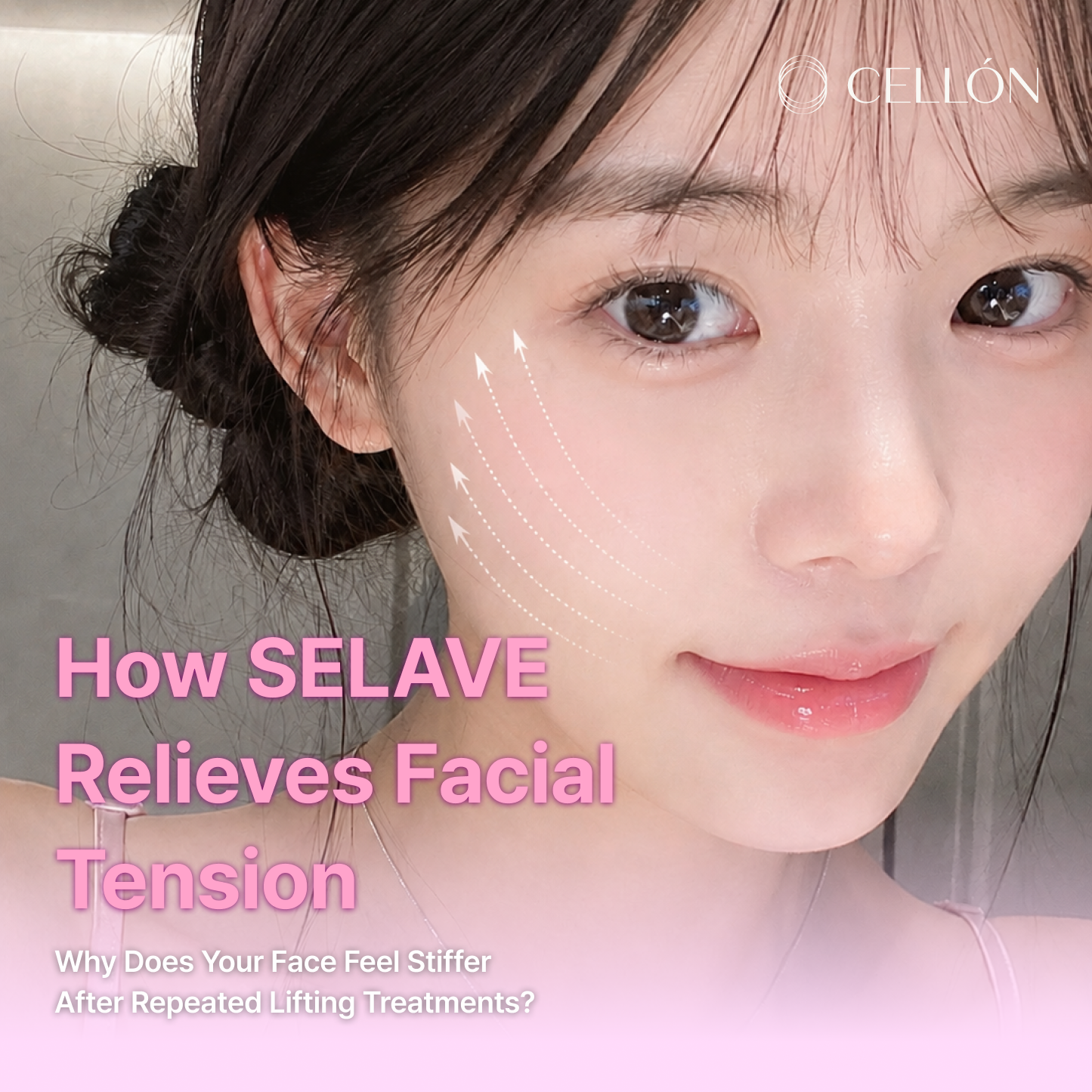
Among all anti-aging treatments, heat-based Lifting is by far the most popular. Modalities like HIFU (High-Intensity Focused Ultrasound), Thermage, and InMode work by delivering targeted heat deep into the skin to stimulate collagen contraction and regeneration. The science behind it is well-established: when heat is applied, collagen fibers contract, producing an immediate tightening effect, which then triggers the skin's natural collagen-rebuilding response.
The problem arises when this process is repeated over and over. With each successive session, the cumulative thermal damage to the skin tissue builds up. As the tissue goes through repeated cycles of contraction and recovery, fibrosis can set in — causing the skin to gradually harden and lose its natural elasticity.
This is sometimes referred to as "overcorrection." When collagen becomes too densely packed, the skin loses its ability to move freely and naturally. The result is a face that looks stiff and expressionless — and ironically, skin that feels less supple than before.
Immediate Tightening Through Intense Stimulation
- Risk of fibrosis with repeated treatments
- Reduced naturalness of facial expressions
- Focused on contraction rather than regeneration
- Limited improvement in skin thickness and texture
Restoring Structure Through Regenerative Signals
- Regeneration without tissue damage
- Natural firmness with preserved facial movement
- Supports ECM (extracellular matrix) restoration
- Comprehensive improvement in skin thickness, hydration, and radiance
About Selave
What Is Selave, and What Makes It Different?
Selave is a regenerative medicine-based lifting approach that works not through heat, but through biological signaling — guiding skin cells to repair themselves naturally. At its core, the treatment focuses on restoring the skin's extracellular matrix (ECM) environment.
Think of the ECM as the structural framework that keeps your skin cells in place and functioning properly. It's made up of key components like collagen, elastin, and hyaluronic acid. As we age, these components diminish and the structure breaks down, causing the skin to sag and lose elasticity.
Selave replenishes the ECM by delivering the building blocks and biological signals it needs to rebuild itself. Rather than forcing a reaction by heating the skin, it creates the right environment for cells to activate on their own — and that difference shows in the quality of the results.
"More heat energy doesn't always mean better results. True regenerative lifting is about creating the conditions in which skin tissue can heal itself."
— Cellon Clinic Medical TeamThis is especially meaningful for those who have undergone multiple heat-based treatments and feel their skin has become fatigued, for those whose expressions appear stiff or rigid, and for those who notice their skin feels thinner than it used to. Selave doesn't add more stress to the tissue — it gives it the space to rest and recover.
Mechanism
What Actually Happens Inside Your Skin During Selave Regenerative Lifting
During a Selave treatment, your skin undergoes a step-by-step regenerative response from within. Here's how we explain the process to our patients at Cellon Clinic.
ECM Restoration Signaling
The bioactive components in Selave are delivered into the dermal layer, where they send activation signals to fibroblasts — the key cells responsible for producing collagen and elastin. This increases the cells' own synthesis activity without any heat stimulation.
Collagen Network Restructuring
Collagen that has been contracted by heat tends to be irregular and bundled together. In contrast, collagen newly produced through regenerative signaling arranges itself into a more uniform, elastic network — and that difference is exactly what changes the quality of firmness you feel on the skin's surface.
Hydration-Based Volume Restoration
By stimulating hyaluronic acid synthesis, the dermis regains its ability to retain moisture. This is what creates the sensation of restored volume in areas like the cheeks and temples — not by filling from the outside like a filler, but by reviving the skin's own capacity to hold hydration.
Improved Skin Thickness and Radiance
Skin that has thinned from repeated heat-based treatments gradually regains thickness as regenerative activity continues. As the skin itself becomes healthier, many patients notice their clarity and natural radiance returning as well.
Who Is It For
Who Can Benefit Most from Selave
Selave isn't a one-size-fits-all treatment. At Cellon Clinic, we start by thoroughly assessing your skin condition and treatment history before determining whether Selave is the right fit — and if so, how to best approach it. Below are the cases where Selave tends to make the most meaningful difference.
Skin That Feels Stiff After Repeated Heat Treatments
This includes those who have undergone multiple sessions of HIFU, Thermage, or similar procedures and now notice their face looking or feeling rigid — or experience tightness when making facial expressions. When tissue fatigue has built up over time, shifting toward a regenerative approach may be more beneficial than applying more heat.
Focused on Skin Quality Rather Than a Lifting Effect
For those who are less concerned about sagging and more bothered by skin that feels thinner, drier, or has lost its natural radiance. Restoring the skin's internal environment — rather than simply tightening — often leads to greater satisfaction with the results.
Looking for Natural-Looking Results
If your goal is to look like you simply have great skin — without any visible signs of treatment — Selave may be a strong match. Those who prefer natural-looking facial dimension over the pulled or unnatural contours that can come with heat-based treatments often find Selave aligns well with their expectations.
Skin That Reacts Sensitively to Heat Treatments
Those who have experienced redness, pigmentation changes, or prolonged recovery following high-intensity energy treatments. For sensitive or thin skin, a regeneration signal-based approach — without thermal stimulation — can deliver results more safely and gently.
is Selave's core goal
with zero heat
addressed simultaneously
Cellon Approach
How Cellon Clinic Approaches Selave
Cellon Clinic is a Ministry of Health and Welfare-designated Cheongdam Designated Advanced Regenerative Medicine Hospital. This designation isn't just a title — it reflects a standard of expertise in the field of regenerative medicine. Treatments like Selave, which work through regenerative signaling, require a deep understanding of skin physiology and precise treatment planning.
At Cellon, Selave isn't treated as a one-size-fits-all solution. Depending on each patient's skin condition, stage of aging, and treatment history, we frequently design combination protocols that incorporate other regenerative options — such as Exosome therapy and Rejuran — alongside Selave. Rather than trying to solve everything with a single treatment, a tailored approach consistently delivers better outcomes.
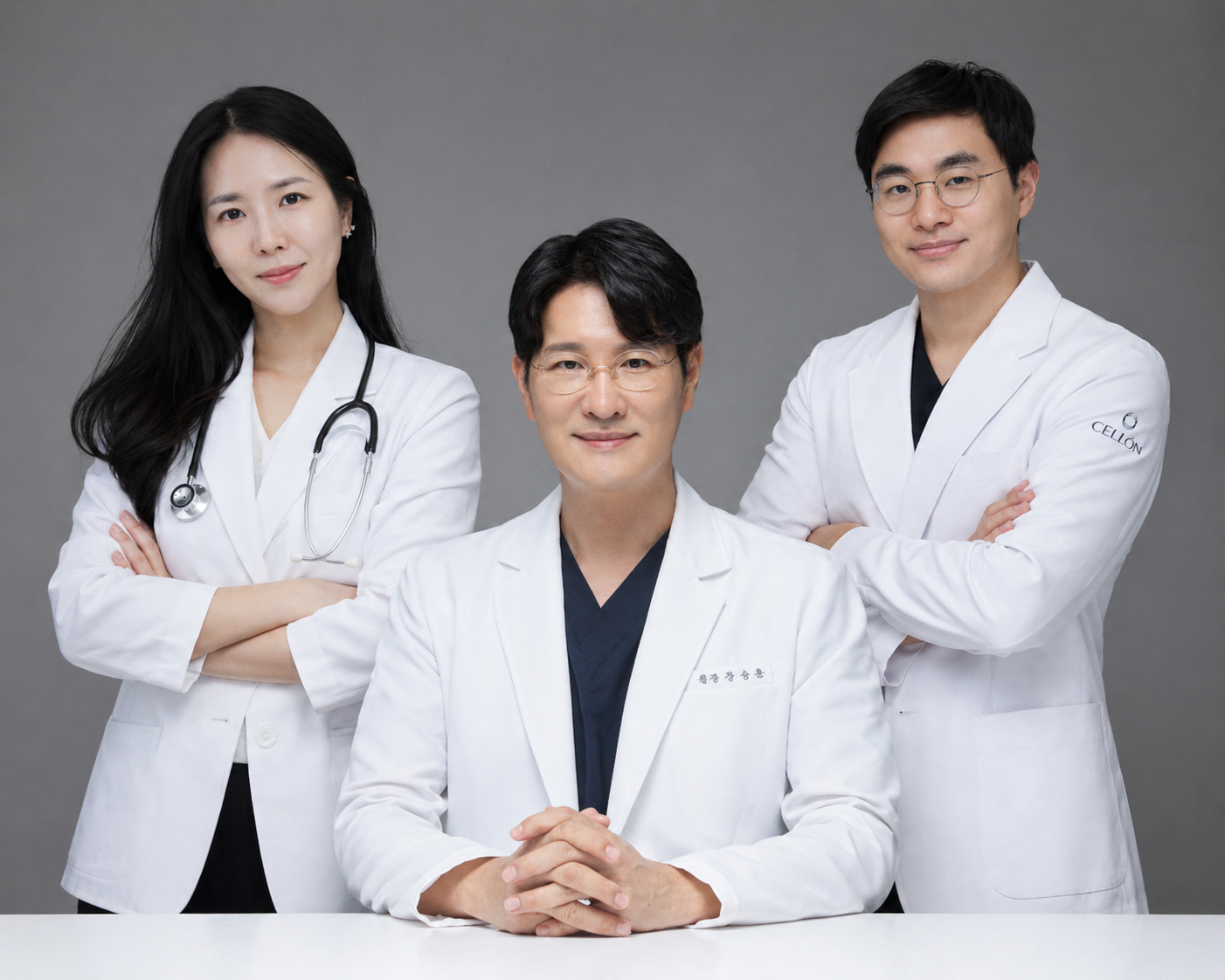
Dr. Kang Seung-hoon, our lead physician, is personally involved in both consultations and procedures. Every treatment plan is explained thoroughly during the consultation stage. We also maintain consistent care standards specifically for international patients, so wherever you're traveling from, you can expect the same level of quality and attention.
"Selave is about bringing the skin back to life. It's not about tightening through heat — it's about restoring the environment so the skin can function on its own again. Once you understand that difference, it completely changes how you think about Lifting."
— Cellon Clinic Medical TeamFAQ
Frequently Asked Questions About Selave
It depends on the condition of your skin. If your tissue is already under significant stress, it may be better to focus solely on regeneration with Selave rather than adding heat-based treatments. However, if your skin is in reasonably good shape, we may recommend a combined protocol — using Selave to create an optimal regenerative environment alongside a lighter energy treatment. A thorough consultation to review your skin history and current condition is always the first step.
Unlike heat-based treatments that deliver an immediate tightening sensation, regenerative treatments work more gradually. Most patients begin to notice improvements in skin elasticity and radiance around 2 to 4 weeks after the procedure. This is simply because collagen and ECM restructuring takes time. That said, this gradual improvement often leads to results that look more natural and understated — which many patients actually prefer.
Medically speaking, "reversal" is a term we use with caution — but improving the tissue environment can help skin that has become stiff gradually regain a softer, more elastic quality. The extent of recovery depends on the degree of fibrosis present, which is why an accurate assessment during your consultation is essential before setting expectations. Being transparent about realistic outcomes is something Cellon Clinic takes seriously.
Because Selave does not use thermal energy, recovery time tends to be shorter compared to high-intensity heat treatments. That said, depending on the specific combination of techniques used, some mild redness or sensitivity may occur. Most patients are able to resume normal activities the same day or the following day, though individual responses can vary. Please discuss your specific downtime expectations during your consultation.
All three are regenerative in nature, but they work through different mechanisms and target different aspects of skin health. Rejuran uses salmon-derived PDRN to stimulate cellular regeneration, while Exosome therapy delivers signaling molecules derived from stem cells to promote skin recovery. Selave focuses specifically on restoring the ECM environment and structural regeneration. At Cellon Clinic, each of these can be used on its own or combined into a personalized protocol based on your individual skin condition.
Regeneration Over Heat — Ask Cellon Clinic
Wondering if Selave is right for your skin, or whether your current Lifting approach is truly working for you? Start with a consultation at Cellon Clinic. Our lead physician will personally evaluate your skin and walk you through your options.
Contact Us on WhatsAppCheongdam Cellon Clinic — Designated Advanced Regenerative Medicine Hospital by the Ministry of Health and Welfare