
Stem Cell Fat Grafting:
Why Your 30s and 50s Require a Completely Different Approach
Even when the procedure shares the same name, the strategy must change depending on where your face actually is.
Understanding how your skin, fat, and bone structure shift with age is the key to results that look truly natural.
Facial Aging Doesn't Follow a Single Path

"Your face gets thinner as you age" — that's only partly true. What actually happens isn't that facial fat simply disappears; rather, it shifts position and the compartments that once held it in place begin to break down. The fat pads (fat compartments) that kept your face looking firm and structured in youth gradually lose their anchoring as ligament support weakens, allowing gravity to pull them downward over time.
The key issue is that the speed and pattern of this change look completely different in your 30s versus your 50s. In your 30s, the compartments themselves are largely intact — you're simply starting to notice a gradual loss of volume. By your 50s, however, volume loss is compounded by bone resorption, ligament laxity, and declining skin elasticity all happening at once. Even when the tool is the same — fat grafting — the goals and strategy have to be entirely different, and that's exactly why.
"Approaching facial aging as simply 'fill what's been lost' tends to produce unnatural results. In your 30s, it's about preventive restoration. In your 50s, it's about rebuilding the underlying architecture. Understanding that distinction is where natural-looking outcomes begin."
— Dr. Kang Seung-hoon, Chief Director, Cellon ClinicYour Face in Your 30s: Prevention Is the Best Strategy
In your 30s, the overall structural framework of your face is still largely intact — but volume loss begins to appear in specific areas first. The temples may look slightly sunken, the under-eye contour becomes more defined, and the fullness of the upper cheeks starts to fade. These early signs typically show up in the mid-to-late 30s.
Choosing fat grafting at this stage isn't simply about filling what's already lost. Restoring volume before the underlying structure begins to collapse can actually help slow the pace of aging going forward. Think of it like reinforcing a building's foundation before cracks start to appear — proactive rather than reactive.
Common Changes in Your 30s
- Early volume loss in the temples and forehead
- Under-eye hollowing begins (reduced under-eye fullness)
- Reduction in upper cheek fat pads
- Skin elasticity and thickness still well maintained
- Ligament support generally still intact
Fat Grafting Strategy for Your 30s
- Small-volume, precision grafting — avoid overfilling
- Higher stem cell concentration to enhance skin regeneration
- Focused treatment on temples and under-eye areas
- Natural-looking results without disrupting existing structure
- Minimal downtime approach
Attempting large-volume fat grafting in your 30s can actually backfire — it may create an unnatural, overfilled appearance or look out of place in areas where structural integrity is still intact. The right approach for this decade is small amounts, precisely placed, with the regenerative power of stem cells working to improve overall skin quality from within.
Faces in Your 50s: When Structural Reconstruction Becomes Necessary
Your 50s are a different story. It's not just about lost volume — the facial bones themselves begin to resorb and shrink, ligaments stretch and cause compartments to collapse, and the skin loses both thickness and elasticity all at once. This triple combination is the defining characteristic of facial aging in your 50s.
Simply "filling in" the areas that have lost volume isn't enough at this stage. Adding fat over already-sagging skin and stretched ligaments can actually cause the cheeks to droop or the face to appear larger. In your 50s, fat grafting should be approached not as mere "volume filling," but as true reconstruction — restoring the underlying support structures.
bone resorption after 50
(based on anatomical studies)
Bone · Fat Pads · Skin Collagen
collagen density by your 50s
(compared to your 30s)
That's why, for Stem Cell Fat Grafting in your 50s, the anatomical placement — where and at which layer the fat is injected — determines the outcome. Rather than simply adding fat to the cheeks, the key is to graft into the deep fat layer, where it can help lift and reposition descended compartments back to their original position, while maximizing the concentration and activity of stem cells to simultaneously stimulate skin regeneration.
Key Principles for Fat Grafting in Your 50s
- Deep layer priority — structural support first
- "Repositioning" effect for descended compartments
- Stem cells to restore skin thickness and elasticity
- Overfilling can cause sagging — precise volume control is essential
- Consider combining with Lifting treatments
The Compounding Changes of a Face in Your 50s
- Partial resorption of facial skeleton (orbital rim and cheekbones)
- Ligament laxity — descent of fat compartments
- Thinning skin + reduced dermal elasticity
- More prominent tear troughs, nasolabial folds, and marionette lines
- Lower face appears heavier and more fatigued
What Changes When Stem Cells Are Added?
The key difference between conventional fat grafting and Stem Cell Fat Grafting comes down to whether you're transplanting fat cells alone, or delivering fat cells together with regenerative factors at the same time. Adipose-derived stem cells (ADSCs) naturally exist within fat tissue, and once transplanted, they help stimulate new blood vessel formation and promote collagen synthesis at the treatment site.
This effect becomes even more significant with age. In your 30s, the skin still retains enough natural regenerative capacity for stem cells to play a supportive role. But by your 50s, the skin's own regenerative ability has declined considerably — meaning stem cells take on a central role by directly supplying regenerative signals from the outside. That's why improvements in skin texture that simply aren't achievable through fillers or standard fat grafting become possible with stem cell transplantation.
Regenerative Mechanisms in Stem Cell Fat Grafting (Summary)
- Transplanted ADSCs activate surrounding tissue through paracrine signaling (growth factor secretion)
- Release of angiogenic factors such as VEGF — contributing to improved fat graft survival rates
- Stimulation of collagen synthesis — supporting increased dermal thickness and elasticity in surrounding tissue
- Creation of a skin-regenerating environment via cytokines including TGF-β
- At Cellon Clinic, a Designated Advanced Regenerative Medicine Hospital recognized by the Ministry of Health and Welfare, this entire process is managed under a structured clinical protocol
Cellon Clinic's designation as a Designated Advanced Regenerative Medicine Hospital by the Ministry of Health and Welfare reflects the fact that the clinic has established the infrastructure and protocols necessary to perform stem cell-based treatments with clinical rigor. This isn't just a title — it means every procedure is carried out within an institutionally supported framework that covers both treatment standards and post-care management.
Cellon Clinic's Age-Based Treatment Approach
Even when a patient in their 30s and one in their 50s sit in the same consultation room, the facial concerns our doctor identifies are entirely different. From the very first consultation, Cellon Clinic analyzes each patient's age and the anatomical condition of their face to establish clear, individualized treatment goals.
3D Anatomical Analysis
We conduct a comprehensive evaluation of the face's current volume distribution, fat pad positioning, skin thickness, and ligament condition. For patients in their 30s, the focus is on identifying which compartments have begun to deflate first; for those in their 50s, we assess how far those compartments have shifted.
Harvest Site Planning
We determine the optimal donor site and volume of fat to harvest. Selecting areas rich in stem cell content directly impacts grafting efficiency. At Cellon Clinic, a cell-damage minimization protocol is applied from the very start of the harvesting stage.
Stem Cell Processing & Concentration
Stem cells are isolated and concentrated from the harvested fat. Cell viability and concentration are carefully managed in accordance with the protocols of our Designated Advanced Regenerative Medicine Hospital.
Precision Layer-by-Layer Grafting
For patients in their 30s, fat is precisely distributed across the superficial layer; for those in their 50s, deep-layer grafting is prioritized first, followed by superficial-layer refinement. All procedures are personally performed by Chief Director Dr. Kang Seung-hoon.
Post-Procedure Care Protocol
A staged recovery management plan — including regenerative adjunct treatments such as Exosome therapy — is implemented to support fat graft survival. For international patients, a dedicated remote aftercare system is available.
Is One Treatment Enough, or Do You Need a Combined Approach?
For most patients in their 30s, Stem Cell Fat Grafting alone can deliver the changes they're looking for. Since the structural support of the face is still largely intact at this age, simply restoring volume is often enough to make a noticeable difference in overall appearance.
For patients in their 50s, however, the situation can be quite different. When ligaments have loosened and skin has already begun to sag, adding volume through fat grafting alone can shift the center of gravity downward — actually making sagging more pronounced. In these cases, combining the procedure with a Lifting treatment (such as Thermage FLX or Thread Lifting) may be necessary to first rebuild structural support, or to address both concerns simultaneously.
30s — Solo or Minimal Combination
- Stem Cell Fat Grafting alone is often sufficient
- Light combination with Exosome or Rejuran for skin rejuvenation
- Need for Lifting determined by individual skin condition
- Goal: Natural volume restoration + improved skin texture
50s — Combined Strategy Recommended
- Lifting + Fat Grafting combination can create synergistic results
- Stem cells maximize skin thickness and regenerative stimulation
- Avoid overfilling; focus on structural support
- Goal: Redefining a lifted, youthful contour without sagging
Frequently Asked Questions
Fat Grafting Tailored to Your Age —
Consult with Cellon Clinic Today
Whether you're in your 30s looking for preventive volume restoration or in your 50s seeking structural rejuvenation — the same procedure requires a completely different strategy.
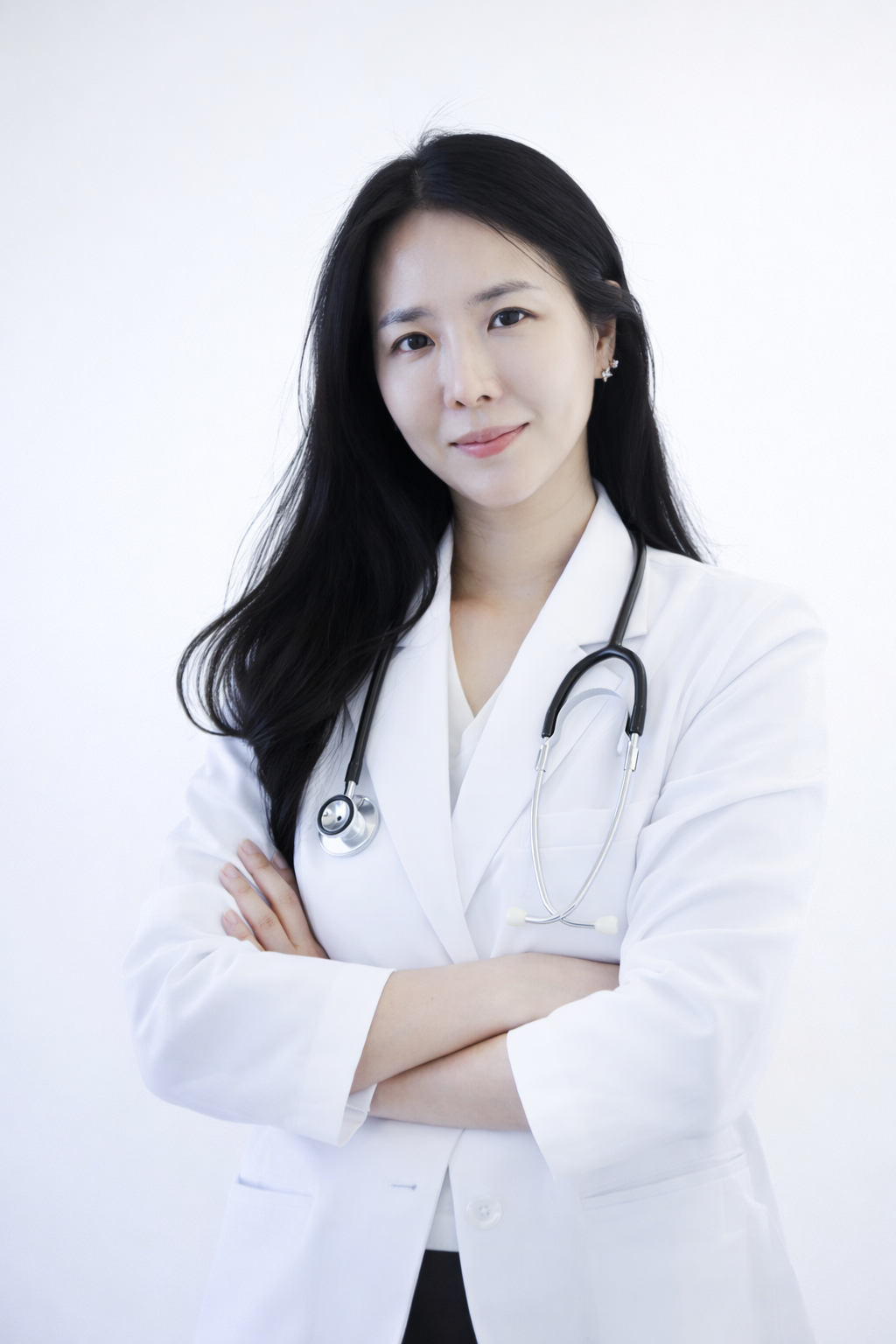
Dr. Kang Seung-hoon will personally analyze your current facial condition and recommend the best approach for you.