
Designated Advanced Regenerative Medicine Hospital · Cheongdam Cellon Clinic
Everything You Need to Know About Stem Cell Therapy
From the Basics to Choosing the Right Clinic
Stem cell therapy isn't some overnight trend — it's a field built on decades of research and rigorous regulatory frameworks, steadily moving from the lab into real-world practice. As a Designated Advanced Regenerative Medicine Hospital, Cellon Clinic is here to walk you through everything you need to know.
What Exactly Are Stem Cells?

Every cell in your body has a designated job. Skin cells build skin; muscle cells build muscle. Stem cells, however, are different — they are undifferentiated cells with the remarkable ability to transform into other cell types. In other words, they carry the potential to become whatever kind of cell damaged tissue needs most.
Stem cells are defined by two core properties. First, self-renewal — they can continuously produce identical copies of themselves. Second, differentiation — they can develop into a wide variety of specialized cell types. Together, these two qualities make stem cells one of the most powerful tools in regenerative medicine today.
Embryonic Stem Cells (ESC)
Derived from the blastocyst stage of an early fertilized embryo, ESCs have the most powerful differentiation capacity of any stem cell type. However, their clinical use remains limited due to ongoing ethical debates and the risk of immune rejection.
Adult Stem Cells (ASC)
Found in adult tissues such as bone marrow and fat, ASCs carry a significantly lower risk of immune rejection since they are harvested from the patient's own body. They are currently the most widely used stem cell type in clinical practice.
Induced Pluripotent Stem Cells (iPSC)
iPSCs are created by reprogramming ordinary somatic cells back into a stem cell-like state. Pioneered by Nobel laureate Professor Shinya Yamanaka in 2006, they are generating tremendous excitement for their potential in personalized medicine.
Adipose-Derived Stem Cells (ADSC)
Harvested in relatively large quantities from fat tissue in areas like the abdomen and thighs, ADSCs possess anti-inflammatory and angiogenic properties that are driving growing interest in dermatology and aesthetic medicine.
"The true value of a stem cell lies not in the cell itself, but in the entire range of bioactive substances it secretes."
How Are Stem Cells Used in Dermatology?
When most people hear "stem cell therapy," they immediately think of serious conditions like stroke or spinal cord injury. While research in those areas is certainly advancing, stem cell-based regenerative medicine has also been steadily making its way into dermatology and plastic surgery.
In particular, adipose-derived stem cells are found in abundance within fat tissue collected during liposuction — making it possible to combine the benefits of fat grafting with the regenerative effects of stem cells. This is precisely the principle behind Cellon Clinic's Stem Cell Fat Grafting treatment.
SVF
Stromal Vascular Fraction
The primary source of adipose-derived stem cells
Paracrine
Signaling to surrounding cells
A key mechanism driving regeneration
Exosome
Extracellular vesicles
Mediators of stem cell regenerative effects
Beyond directly differentiating into specific cell types, stem cells also release bioactive substances — including growth factors, cytokines, and Exosomes — that stimulate surrounding cells and trigger tissue regeneration. This is known as the "paracrine effect," and it's considered clinically significant. In other words, what matters most isn't simply the injected stem cells becoming tissue themselves, but rather the regenerative environment those cells create around them.
Adipose-Derived vs. Blood-Derived Stem Cells — What's the Difference in a Clinical Setting?
Two types of stem cells come up frequently in clinical practice. Because they differ in how they're collected, their characteristics, and their indications, neither is universally "better" — the right choice depends entirely on the treatment goal.
Adipose-Derived vs. Blood-Derived Stem Cells
Adipose-Derived Stem Cells (ADSC)
Blood-Derived Stem Cells (HSC / PRP-Based)
Stem cell therapy is a rapidly evolving field with ongoing research. The scope of clinical application and its outcomes can vary depending on the treatment method, the patient's condition, and the practitioner's experience. Rather than setting unrealistic expectations, it's important to consult with a specialist and develop a practical, personalized plan.
What Is a Designated Advanced Regenerative Medicine Hospital?
The Act on Safety and Support for Advanced Regenerative Medicine and Advanced Biopharmaceuticals (Advanced Regenerative Bio Act), enacted in 2019, established the legal foundation for the safe clinical application of advanced regenerative medicine, including stem cell therapy. Under this law, the Ministry of Health and Welfare designates qualifying medical institutions as 'Designated Advanced Regenerative Medicine Hospitals.'
Rigorous Certification Requirements
To receive designation, a hospital must meet multiple criteria — including qualified medical staffing, cell processing facilities, and a comprehensive safety management system. Clinical experience alone is not sufficient for designation.
Approved Clinical Research Framework
Designated hospitals are authorized to conduct advanced regenerative medicine clinical research, and all studies must receive approval from the Advanced Regenerative Medicine and Advanced Biopharmaceuticals Review Committee.
Patient Safety as the Top Priority
The law mandates robust patient protection measures, including thorough informed consent procedures for clinical research participants and ongoing monitoring of adverse reactions.
Transparent Reporting of Outcomes
Clinical research results are reported regularly to relevant authorities, contributing to the accumulation of scientific evidence for advanced regenerative medicine in Korea.
Cellon Clinic has been officially designated by the Ministry of Health and Welfare as the Cheongdam Designated Advanced Regenerative Medicine Hospital. This goes beyond simply offering stem cell treatments — it means we practice regenerative medicine within a legally mandated safety framework.
Stem Cell Treatments — How Does Cellon Clinic Approach Them?
At Cellon Clinic, stem cell-based regenerative medicine is not offered as a single standalone procedure. Instead, our approach is to design a comprehensive plan that combines multiple regenerative solutions tailored to each patient's condition and goals.
Stem Cell Fat Grafting
During fat harvesting, we utilize SVF (stromal vascular fraction), which is rich in stem cells, allowing patients to benefit from both volume restoration and regenerative effects at the same time.
Exosome Regenerative Therapy
Stem cell-derived exosomes contain hundreds of growth factors and miRNAs, enabling cellular regeneration signals to be delivered without directly injecting cells into the body.
MCT Meta Cell Technology
A high-concentration regenerative treatment based on stem cell conditioned media, this therapy delivers cellular-level regeneration signals to the skin without injections — making it ideal for ongoing maintenance care.
Integrated Anti-Aging Design
Rather than recommending stem cell-based treatments in isolation, we combine regenerative medicine procedures based on each patient's unique aging patterns and skin condition to create an optimized, personalized plan.
How to Choose the Right Stem Cell Treatment Clinic
As stem cell therapy has grown in popularity, so has the marketing around it. But what type of stem cells are used, how they're applied, and what evidence supports the treatment — these are entirely different questions. Here are the key criteria you should always check when choosing a clinic.
Check for Designated Advanced Regenerative Medicine Hospital Status
Official designation by the Ministry of Health and Welfare signals that the clinic meets established safety standards and legal requirements. Verify this directly through the clinic's website or by contacting them.
Ask Exactly Which Stem Cells Are Used and How
Not all stem cell treatments are created equal. A reputable clinic should be able to clearly explain whether the cells are adipose-derived or blood-derived, how the culturing process works, and whether Exosomes or direct cell injections are being used.
Be Wary of Exaggerated Promises
Stem cell therapy is still an evolving field. Claims like "you'll look completely young again" or "guaranteed results" are not only a breach of medical advertising regulations — they're a red flag for trustworthiness.
Confirm Direct Consultation and Treatment by a Specialist
Regenerative medicine requires a personalized approach tailored to each patient's condition and goals. Always confirm that a board-certified specialist will be directly involved in both the consultation and the procedure.
Verify Post-Treatment Care Systems
Stem cell treatment is not a one-and-done procedure. Choose a clinic that can follow up on your progress and guide further care as needed. For international patients in particular, it's worth confirming whether the clinic offers remote post-treatment monitoring.
"Great regenerative medicine starts not with impressive equipment, but with truly understanding each individual patient's condition. Stem cell therapy is no exception."
Frequently Asked Questions (FAQ)
Stem cell therapy is not a one-size-fits-all treatment. Eligibility varies depending on a patient's overall health, age, underlying conditions, and immune status. For clinical research conducted at a Designated Advanced Regenerative Medicine Hospital in particular, suitable candidates are selected through pre-screening and a formal review process. If you're interested, it's essential to have a thorough consultation with a specialist before moving forward.
Conventional fat grafting involves harvesting, purifying, and transplanting fat tissue. Stem Cell Fat Grafting takes this a step further by also utilizing the stromal vascular fraction (SVF) — stem cells naturally found within fat tissue. The growth factors and bioactive substances secreted by these stem cells can promote blood vessel formation and tissue regeneration at the transplant site, potentially improving graft survival rates and regenerative outcomes. That said, individual results vary, so it's important to set realistic expectations in close consultation with your physician.
Direct stem cell injection involves transplanting living cells into the body. Exosomes, on the other hand, are ultra-small vesicles secreted by stem cells — no live cells are injected. Exosomes carry growth factors, miRNA, and other signaling molecules that help trigger cellular regeneration. Compared to direct cell injection, the safety profile of Exosome therapy is relatively straightforward and the treatment burden is lower. Which approach is more appropriate depends on the patient's condition and treatment goals.
Cellon Clinic applies the same standard of care to both domestic and international patients. For those traveling from abroad, we can customize a care pathway that flows from an initial online consultation, through an in-person evaluation and treatment, to post-procedure follow-up. Please note that advanced regenerative medicine clinical research is conducted within Korea's legal and regulatory framework, so whether participation is possible for international patients will need to be confirmed during a pre-visit consultation.
The timeline for seeing results varies considerably depending on the treatment method, the condition being addressed, and the individual patient. For fat grafting, results are typically assessed around 2–3 months after the initial swelling subsides, and regenerative effects may become even more noticeable over a longer period of 6 months or more. Exosome and conditioned media-based treatments tend to produce cumulative benefits with multiple sessions. Rather than expecting dramatic changes after a single procedure, a consistent, long-term treatment plan is the more realistic approach.
Cheongdam Designated Advanced Regenerative Medicine Hospital · Cellon Clinic
Start your stem cell journey with clarity and confidence
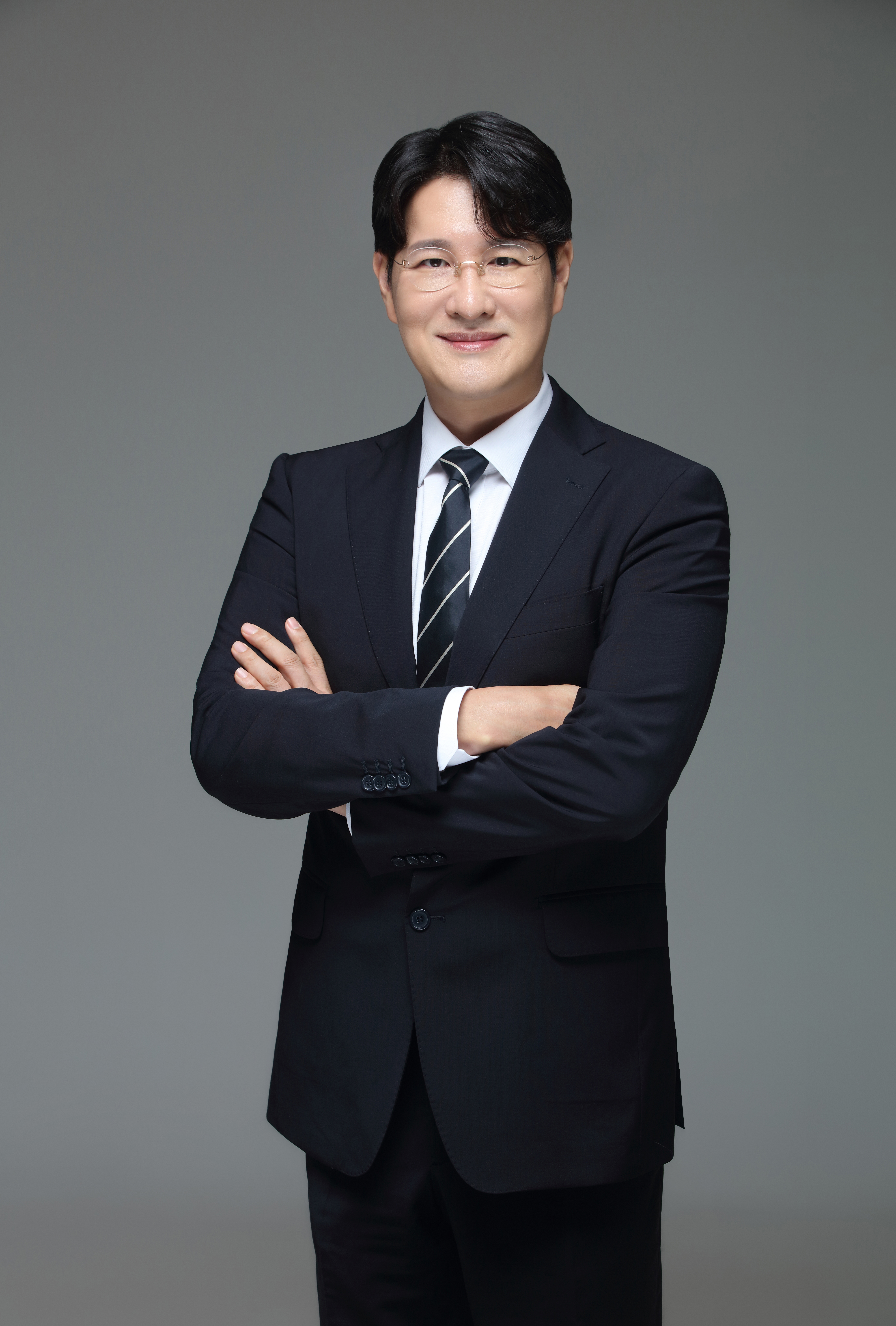
Dr. Kang Seung-hoon, Chief Director of Cellon Clinic, will personally guide your consultation. No exaggeration — just an honest, personalized plan for your regenerative medicine journey.
Contact us on WhatsApp