
Stem Cell Therapy for Chronic Skin Conditions and Aging —
Does It Actually Work?
Cellon Clinic, a Ministry of Health and Welfare–designated Designated Advanced Regenerative Medicine Hospital in Cheongdam,
gives you an honest, evidence-based look at how stem cell regenerative therapy works and what it can realistically achieve.
Why Is Stem Cell Therapy Suddenly Getting So Much Attention?
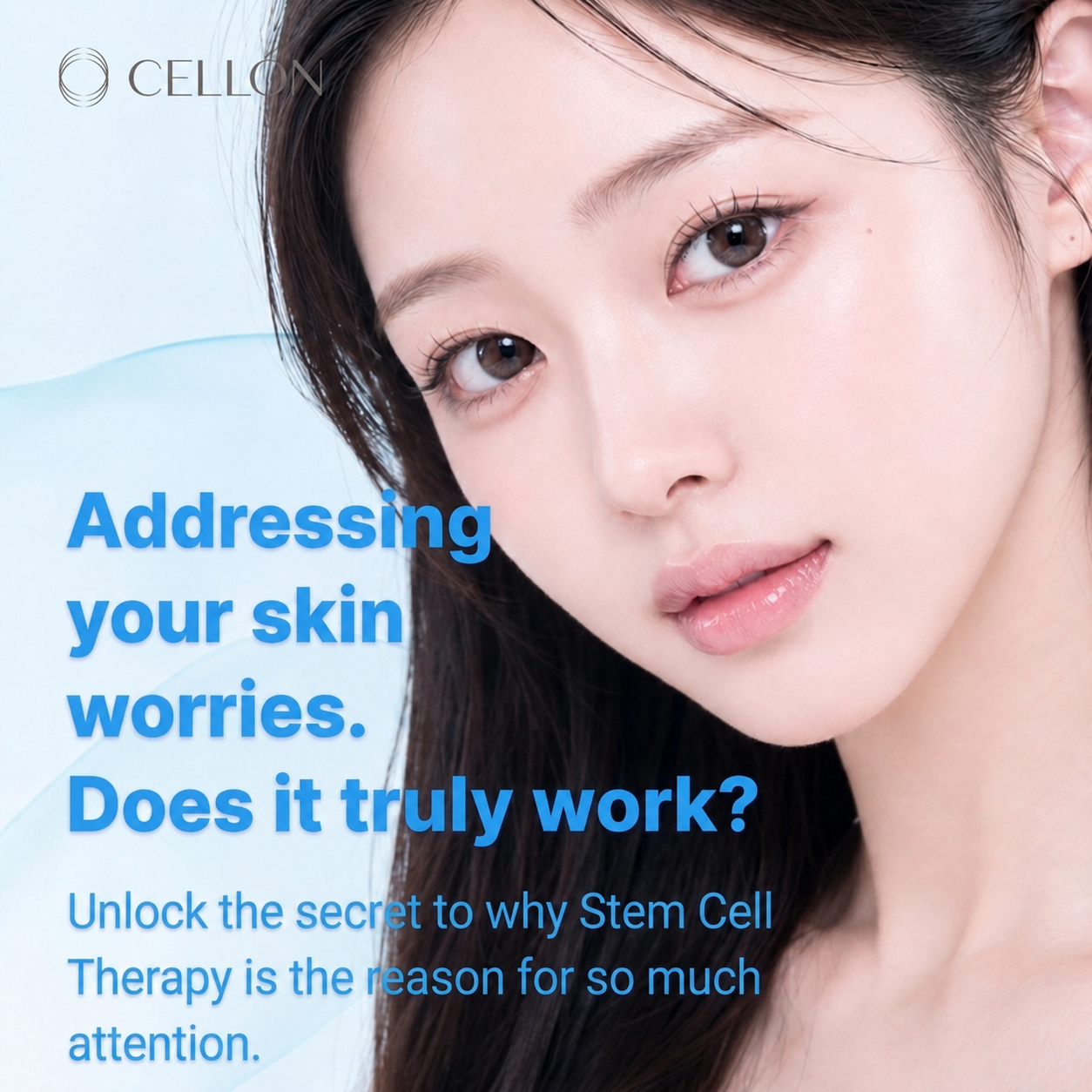
Over the past few years, "stem cells" has become one of the most talked-about topics in dermatology and aesthetic medicine. Is it just another trend? Not quite. Traditional skin treatments — lasers, fillers, and the like — have largely focused on changing how the skin looks from the outside. Stem cell-based regenerative medicine, by contrast, takes a fundamentally different approach: it works to restore the skin's own natural ability to regenerate itself.
Chronic skin conditions like atopic dermatitis, persistent dryness, and recurring redness or inflammation are particularly challenging. Conventional treatments can ease the symptoms, but addressing the root causes — a compromised skin barrier and immune imbalance — has always been difficult. The same holds true for aging skin. Once collagen breakdown starts outpacing production, simply replenishing it from the outside can only go so far.
That's exactly where stem cell therapy comes in — stepping in when the skin's capacity to heal itself has weakened, and helping to rebuild that capacity from within. It's not a miracle cure that works for every condition. But the evidence is steadily growing that, when properly understood and correctly applied, stem cell therapy can produce meaningful results in areas where conventional treatments have fallen short.
How Do Stem Cells Actually Work in the Skin?
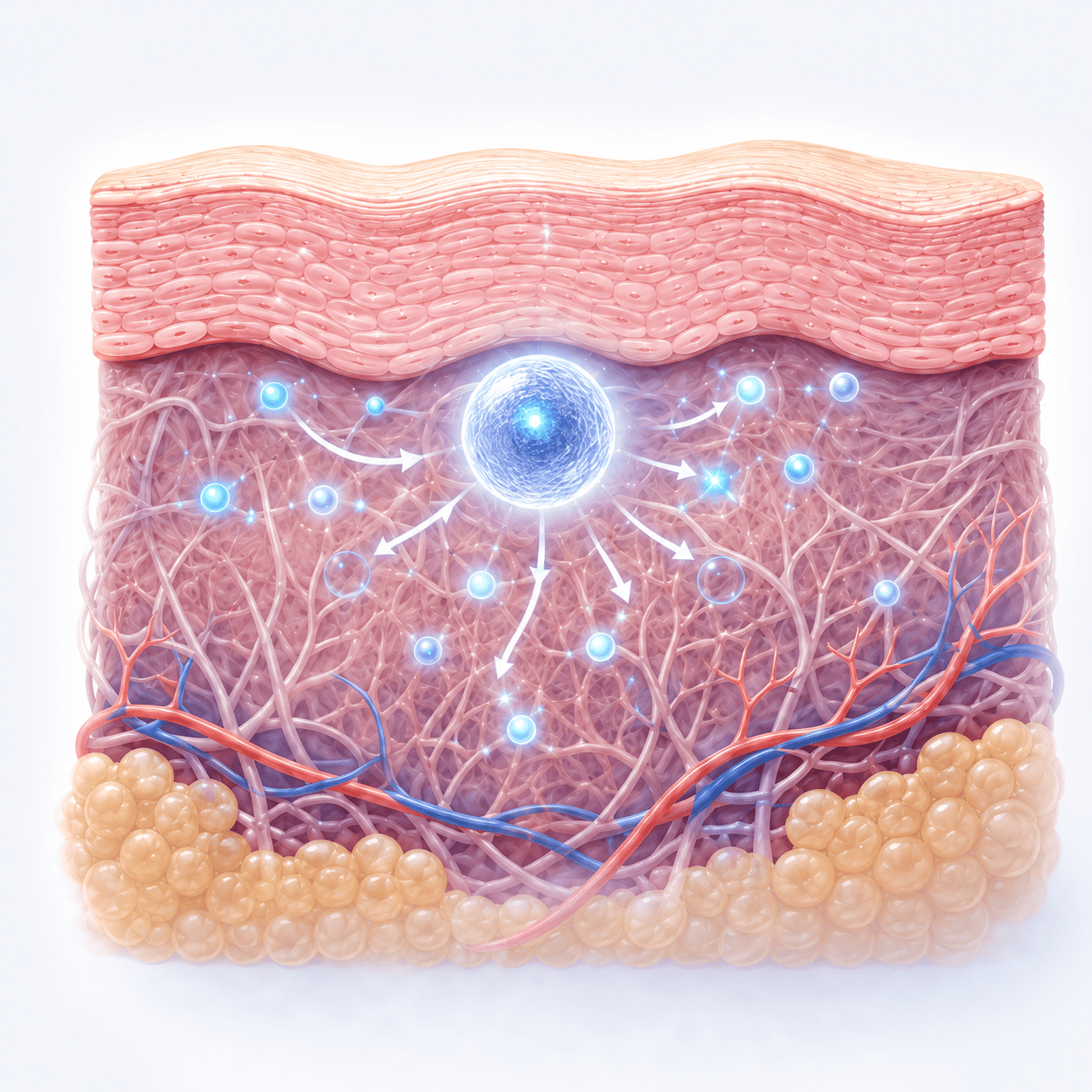
The real mechanism is far more sophisticated than simply converting stem cells directly into skin cells — it works on multiple, interconnected levels.
Paracrine Signaling
After transplantation, stem cells secrete a range of signaling molecules — including growth factors and cytokines — to surrounding cells. These signals activate nearby fibroblasts, stimulating the production of collagen and elastin.
Immune Modulation
Adipose-derived stem cells (ADSCs) are known to activate regulatory T cells that help suppress excessive immune responses — which is why they attract particular interest in the treatment of chronic inflammatory skin conditions.
Angiogenesis Promotion
Stem cells support the formation of new microvascular networks through VEGF (vascular endothelial growth factor) secretion. Improved oxygen and nutrient delivery enhances the overall regenerative capacity of skin tissue.
Cellular Remodeling Support
Stem cells help reset the cell renewal cycle that slows with age — a core mechanism linked to restored skin thickness, improved elasticity, and reduction in fine lines.
"The essence of stem cell therapy isn't about replacing cells — it's about changing the environment so the skin can heal itself. Think of it as reigniting the signals your skin needs to regenerate."
— From the Clinical Notes of Cellon Clinic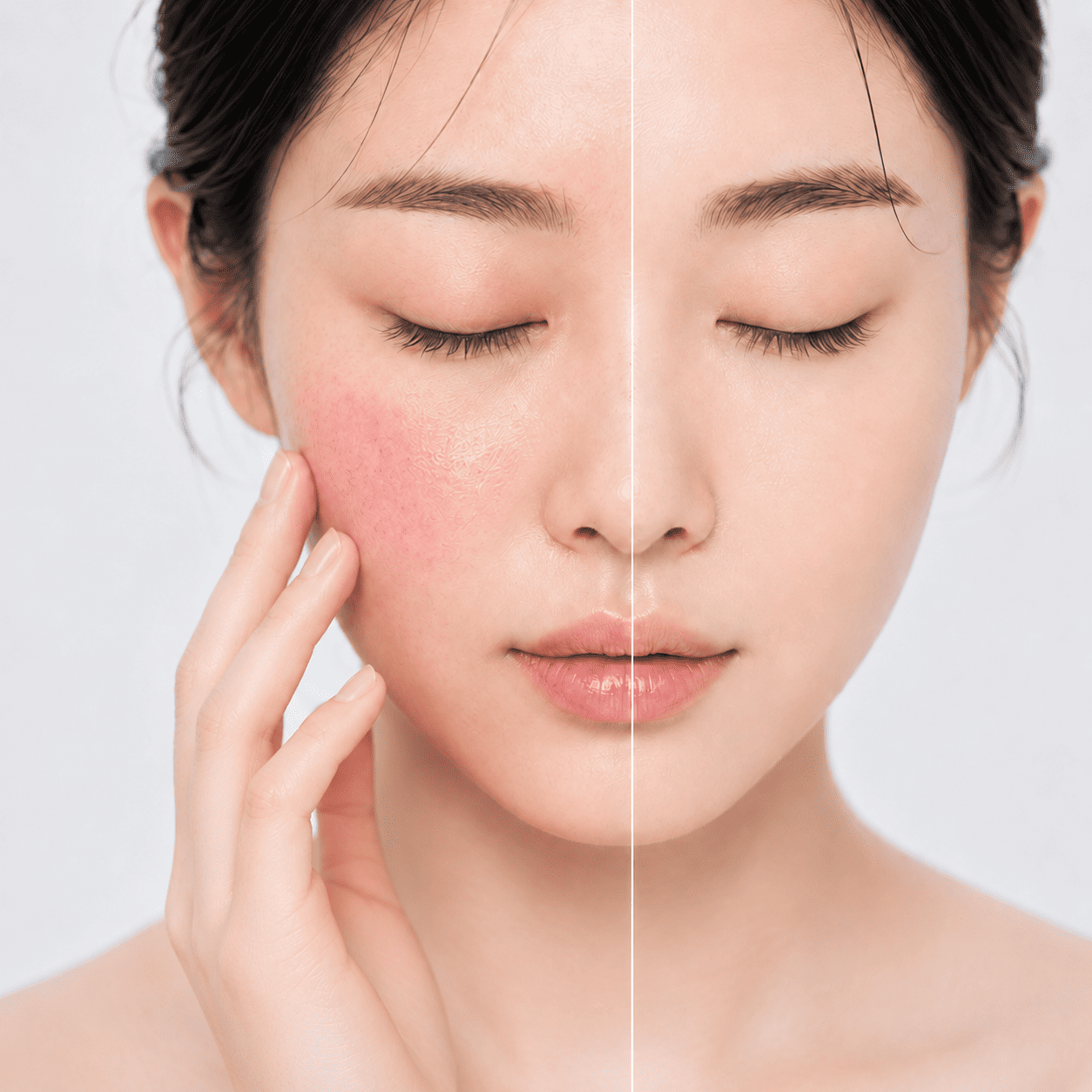
Why Stem Cells Matter for Chronic Skin Conditions
Atopic dermatitis, seborrheic dermatitis, chronic urticaria, persistent flushing — what these conditions all have in common is that they keep coming back. That's exactly why a more fundamental approach, beyond temporary relief, is so important.
among adults in Korea
report stress and sleep disturbances (research-based estimate)
the most actively studied cell source in skin immune regulation research
One of the core issues with chronic skin conditions is a compromised skin barrier. When the skin becomes sensitized to external triggers, it enters a cycle of repeated inflammation — and each flare-up weakens the barrier further. While conventional treatments like steroids and immunosuppressants can be effective at managing symptoms, long-term use carries potential side effects, and they have clear limitations when it comes to truly restoring the skin barrier.
Adipose-derived stem cells (ADSCs) are drawing increasing attention because a growing body of research — both in Korea and internationally — suggests they may help regulate immune overreaction and support the expression of skin barrier proteins. The exosomes (extracellular vesicles) secreted by stem cells carry their own anti-inflammatory signals, which has led to expanding research into combining stem cell therapy with standalone Exosome treatments.
That said, results won't be identical for every patient with a chronic skin condition. Outcomes vary depending on disease severity, each individual's cellular status, and the combination of treatments used — which is why a thorough assessment and proper evaluation of candidacy must come first.
Why Stem Cell Therapy Needs to Be Different for Aging Skin
Aging is fundamentally a decline in the skin's ability to regenerate itself. Here's a look at how stem cell therapy compares to conventional approaches — and why that difference matters.
Conventional Anti-Aging Approach
- Restoring volume and softening lines externally with fillers and Botox
- Stimulating collagen with lasers or RF energy — which eventually breaks down over time
- Limited longevity of results, requiring repeated treatments
- The skin's underlying regenerative capacity remains unchanged
Stem Cell-Based Approach
- Directly activates the cells responsible for collagen and elastin production
- Engrafted adipose-derived stem cells provide ongoing regenerative signals
- Potential for combined benefits: volume restoration and improved skin texture
- Works synergistically when combined with conventional treatments
Stem Cell Fat Grafting at Cellon Clinic goes beyond simply adding volume. By co-transplanting adipose-derived stem cells (ADSCs) — which are naturally abundant within fat tissue — the procedure is designed to support vascular regeneration, tissue remodeling, and skin elasticity recovery at the treatment site, all at once.
From your 40s onward, skin tends to thin noticeably and lose elasticity at an accelerating rate. During this period, combining a stem cell-based approach with laser or Lifting treatments often allows the effects of each to complement one another. In particular, when collagen-stimulating procedures are performed while regenerative signals are already active, clinical observation suggests that the skin tends to respond more favorably — even with the same level of energy.
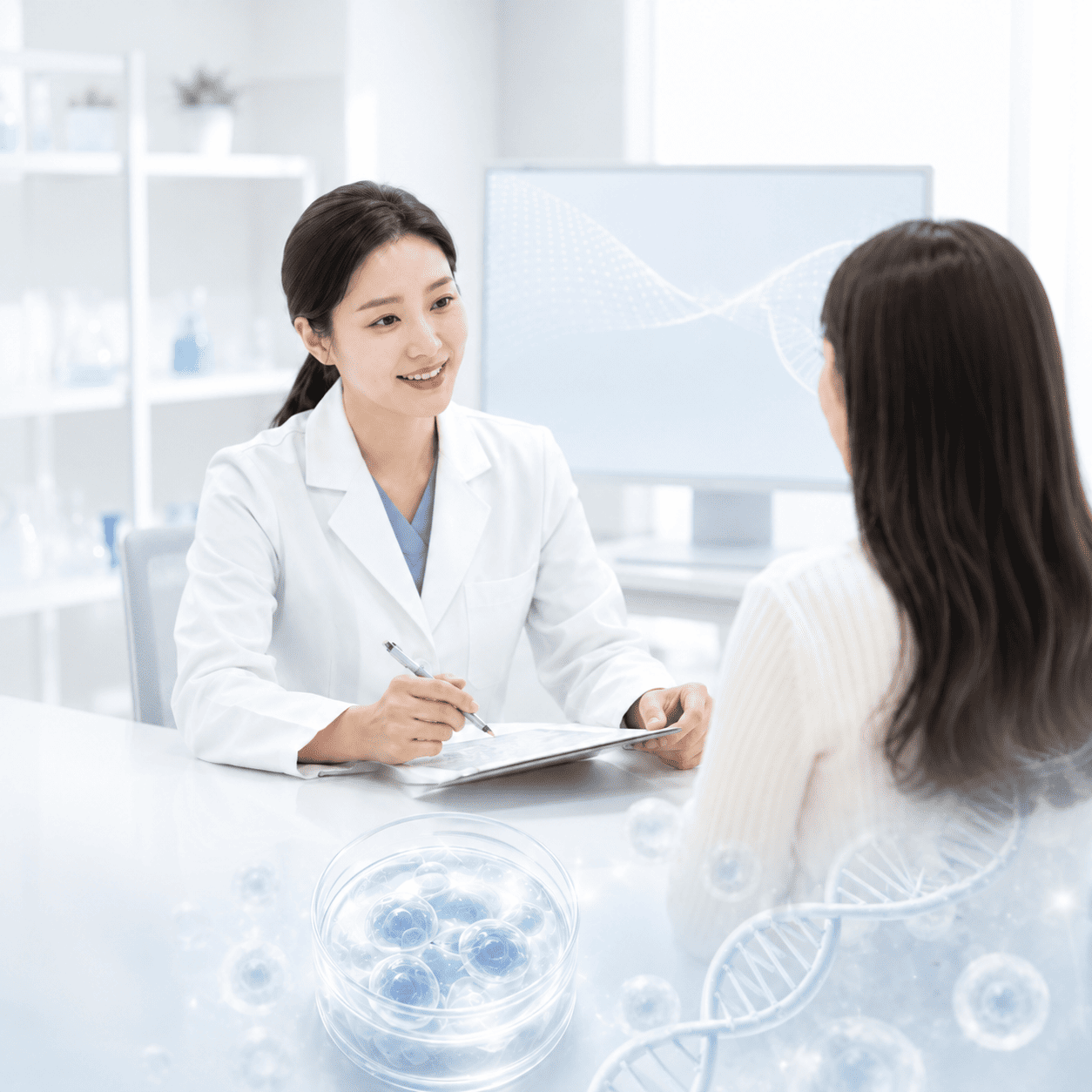
How Cellon Clinic Approaches Stem Cell Treatment
As a Designated Advanced Regenerative Medicine Hospital, Cellon Clinic carries out all stem cell-related treatments under a structured, evidence-based protocol.
Comprehensive Assessment & Candidacy Evaluation
Dr. Kang Seung-hoon personally reviews each patient's skin condition, medical history, and prior treatments in detail. He clearly explains whether stem cell therapy is the right approach or whether conventional methods would be equally effective. Recommending only what is truly necessary is a core standard at Cellon Clinic.
Fat Harvesting & Cell Isolation
Autologous fat is harvested in small amounts from areas such as the abdomen or thighs. The harvested fat then undergoes Cellon Clinic's processing protocol to isolate and concentrate the stromal vascular fraction (SVF), which is rich in stem cells. Because your own cells are used, the risk of immune rejection is significantly reduced.
Transplantation & Combined Treatment Planning
Precise grafting is performed using the PAMI fat transfer technique. When appropriate, complementary regenerative treatments such as Exosome therapy and Rejuran are incorporated to maximize synergistic results. Each treatment plan is individually tailored to the patient's needs.
Aftercare & Ongoing Progress Monitoring
The engraftment process following stem cell treatment is critical to outcomes. Patients receive detailed recovery guidelines and a structured follow-up schedule. For international patients, remote progress check-ins are available to ensure continuous support throughout recovery.
Frequently Asked Questions (FAQ)
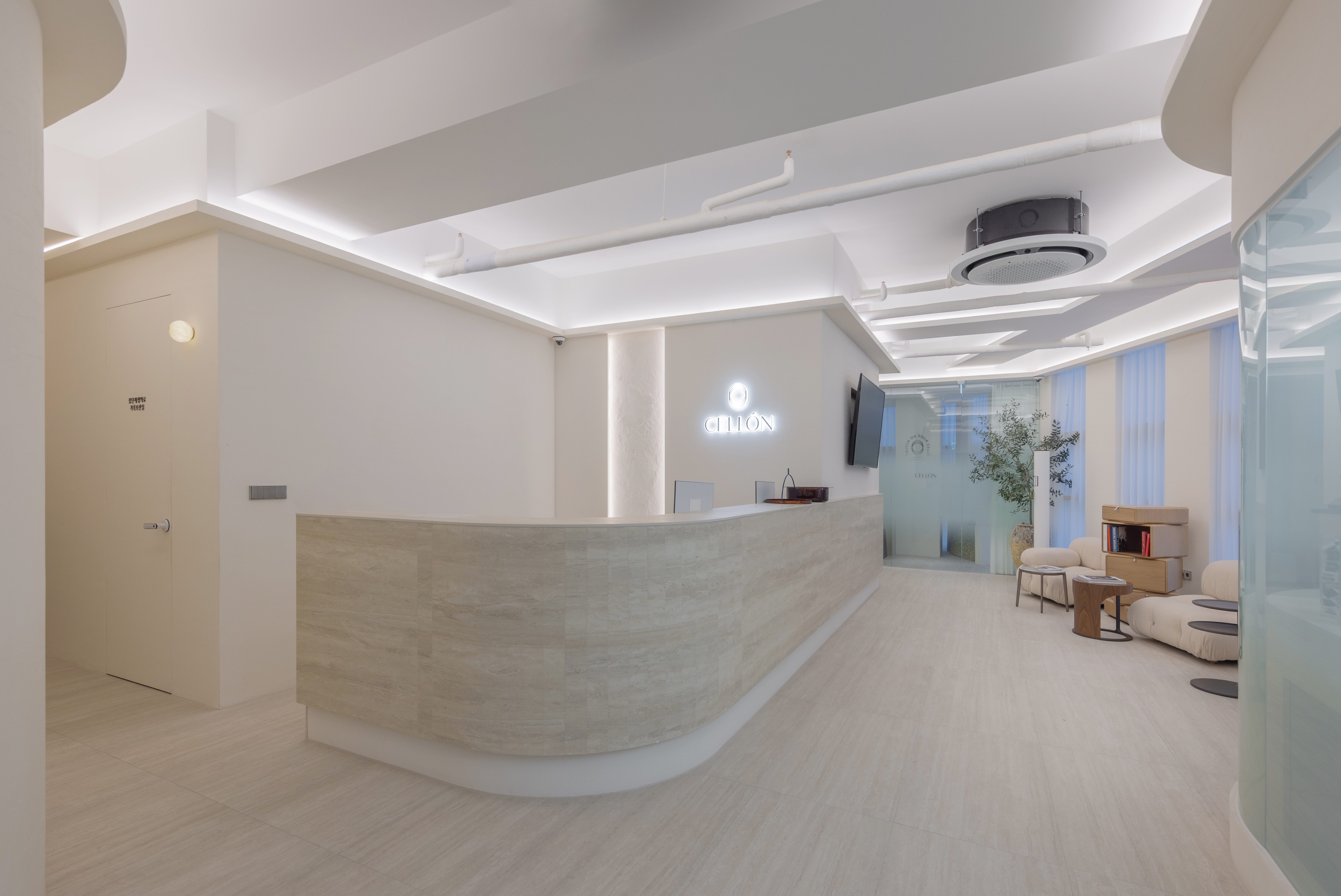
Cellon Clinic · Cheongdam
Is Stem Cell Therapy the Right Approach for You?
Let's Find Out First
At Cellon Clinic, a Ministry of Health and Welfare Designated Advanced Regenerative Medicine Hospital in Cheongdam, Dr. Kang Seung-hoon personally reviews your condition and recommends the most suitable regenerative medicine plan for you.
Contact Us on WhatsApp