
When Surface-Level Skincare Isn't Enough
— The Anti-Aging Approach of Stem Cell Fat Grafting
If you've tried every cream and laser treatment but still look tired or drained — it may be time to look deeper than the surface of your skin.
Aging Starts Deep Within the Facial Structure — Not Just at the Surface

If you place a photo of someone in their 20s side by side with one taken in their 40s, you notice far more than just wrinkles. The area under the eyes becomes hollow, the cheeks flatten, and the temples and forehead lose their fullness — the entire facial contour shifts. This is what medicine refers to as structural aging.
Structural aging unfolds simultaneously across three layers. The facial bones gradually resorb, reducing the underlying support structure. The fat compartments that once filled the space above shift or disappear, causing volume loss. Finally, the skin's own ability to produce collagen and elastin declines, taking elasticity with it. Because all three processes happen together, surface-level treatments alone can only go so far in addressing the root cause.
Treatments like lasers, skin boosters, and RF energy stimulate collagen production within the skin tissue. They're effective at improving the epidermis and dermis, but they have limited ability to restore lost volume or reposition fat compartments that have already shifted.
Stem Cell Fat Grafting replenishes lost volume directly at anatomically precise locations. At the same time, the transplanted stem cells enhance the regenerative environment of surrounding tissues — addressing both structural support and skin quality in a single approach.
Of course, the two approaches aren't mutually exclusive. That's exactly why Cellon Clinic considers both surface care and structural care when building a personalized anti-aging plan. That said, if you've been diligent about surface treatments but still feel like something is missing, the gap is likely due to underlying structural volume loss.
Why Fat Grafting Is True Anti-Aging — Far Beyond Simple Volume Restoration
Many people think of fat grafting as simply "filling in hollow areas." In reality, it does much more than that. Adipose tissue is naturally rich in Adipose-Derived Stem Cells (ADSCs) — and that changes everything.
Once transplanted, ADSCs don't just settle into place. They actively secrete growth factors and cytokines that stimulate capillary regeneration, collagen synthesis, and inflammation regulation — triggering a cascade of complex tissue regeneration in the surrounding area. This is why clinical reports consistently show improvements in skin texture and quality at the treated site, not just volume.
As a Designated Advanced Regenerative Medicine Hospital certified by Korea's Ministry of Health and Welfare, Cellon Clinic integrates regenerative medicine principles into every fat grafting procedure. Three pillars define the Cellon Stem Cell Fat Grafting approach: optimizing stem cell concentration from harvested fat, applying anatomy-specific placement strategies for each treatment zone, and carefully managing procedural conditions to maximize engraftment rates.
(Skeletal / Fat Pads / Dermis)
The key mediator of tissue regeneration
Structure + Regeneration, unified
Cellon Clinic Stem Cell Fat Grafting — The Process & Core Principles
Understanding how the procedure works reveals exactly why it differs from conventional fat grafting. At every stage, precise conditions are carefully managed to maximize stem cell survival and graft retention rates.
-
Harvesting
Fat is collected from areas with high stem cell density — such as the abdomen and inner thighs — using a low-pressure technique. Excessive suction pressure damages cell membranes and reduces stem cell viability, which is why precise pressure control is the very first critical step.
-
Processing
Blood, oil, and connective tissue are carefully separated from the harvested fat, while the stem cell-rich SVF (Stromal Vascular Fraction) is preserved to the greatest possible extent. The processing method and temperature management at this stage ultimately determine the quality of the final graft.
-
Design
A customized plan is created for each treatment area, accounting for differences in anatomy, graft depth, volume, and distribution. For example, the under-eye area and temples each require a distinct graft depth and volume. Chief Director Dr. Kang Seung-hoon personally designs the plan and is directly involved in every procedure.
-
Grafting
Fat is transferred in small, carefully layered amounts using fine cannulas. Rather than injecting a large volume at once, distributing the optimal amount evenly across multiple layers significantly improves graft retention by ensuring adequate blood supply throughout.
-
Recovery Support
The early engraftment period following the procedure — approximately 4 to 6 weeks — is what ultimately shapes the final result. Cellon Clinic actively supports tissue regeneration during this window through complementary regenerative medicine treatments, including Exosome and Rejuran therapies.
Who Can Benefit Most from This Approach?
The point at which structural aging becomes noticeable varies from person to person, but it typically begins gradually in the mid-30s and becomes more pronounced in the 40s and 50s. If several of the following descriptions sound familiar, it may be time to consider a structural approach alongside surface-level skincare.
You take good care of your skin, yet people keep saying you look tired
If your skin texture has improved but your overall appearance still looks fatigued or shadowed, volume loss in the under-eye area, cheeks, or temples may be the underlying cause.
Your face shape itself looks different from when you were younger
When once-full cheeks flatten and facial contours begin to sag, the bigger culprit is often the migration and loss of fat pads rather than a decline in skin elasticity alone.
You've had repeated filler treatments but the results don't look natural
Hyaluronic acid fillers are effective for quick volume restoration, but because they don't integrate with surrounding tissue, repeated treatments can lead to an unnatural appearance over time. Fat grafting using your own tissue can be a more naturally sustainable option in the long run.
You want natural restoration based on regenerative medicine
If you're looking for results that feel like reclaiming your own face rather than an artificial change, the combination of autologous tissue and stem cell regeneration principles most closely aligns with that goal.
Cellon Clinic's Integrated Anti-Aging Plan — Combining Structure and Regeneration
At Cellon Clinic, we recommend a comprehensive anti-aging plan that pairs Stem Cell Fat Grafting with surface-level regenerative care, rather than relying on fat grafting alone. The following combinations have frequently shown clinical synergy in practice.
- Stem Cell Fat Grafting + Exosome Regenerative Care — maximizing the tissue regeneration environment post-grafting
- Stem Cell Fat Grafting + Rejuran — improving overall skin quality through fibroblast activation within the dermis
- Stem Cell Fat Grafting + Thermage FLX — simultaneously addressing skin elasticity layers after grafting
That said, the timing and combination of treatments vary depending on each individual's skin condition, graft volume, and engraftment stage, so all decisions must be made in consultation with a specialist during your appointment.
Stem Cell Fat Grafting FAQ
Some reabsorption of transferred fat is a completely natural part of the process. It's generally understood that around 40–60% of the initially transferred volume achieves long-term retention, though this varies depending on the technique used, lifestyle habits, and each patient's individual condition. At Cellon Clinic, we design the transfer volume with this in mind and focus on optimizing the engraftment environment through early recovery support. Once the fat has successfully integrated, it behaves like your own tissue — changing gradually with weight fluctuations and natural aging — but it won't break down within months the way hyaluronic acid fillers do.
It depends on the case, but in general we recommend completing the fat grafting first and using fillers afterward only if additional refinement is needed. If existing filler is still present in the treatment area, it can make accurate volume assessment more difficult before the procedure. Please be sure to let us know your full filler history during your consultation.
The fat itself is the same, but Stem Cell Fat Grafting places a strong emphasis on preserving adipose-derived stem cells (ADSCs) and the stromal vascular fraction (SVF) throughout the harvesting and processing stages. Fat that is rich in stem cells tends to send more active tissue-regeneration signals after transfer, which can make a meaningful difference in both engraftment outcomes and overall skin quality improvements. As a Designated Advanced Regenerative Medicine Hospital, Cellon Clinic applies regenerative medicine principles throughout this entire process.
This varies by treatment area and volume transferred, but as a general guide, the most noticeable swelling typically subsides within 1–2 weeks. To see your final result, it's realistic to allow 3–6 months, as this is when the engraftment process completes and the initial volume — which may look a bit fuller at first — gradually settles into a natural appearance. We strongly recommend giving yourself plenty of scheduling flexibility before and after the procedure.
Yes — once the transferred fat cells have integrated, they function just like the rest of your body's fat tissue. This means they tend to expand slightly with weight gain and reduce slightly with weight loss. Significant weight fluctuations after the procedure can therefore affect your results. We always discuss the importance of maintaining a stable weight during consultations, as doing so gives you the best chance of enjoying long-lasting outcomes.
2026 Regenerative Medicine Trends & Cellon Clinic's Direction
The field of regenerative medicine is rapidly shifting toward personalization. Rather than applying a one-size-fits-all protocol, treatment plans are now tailored to each patient's unique tissue characteristics, stem cell density, and lifestyle — making individualized design the new standard.
As a Designated Advanced Regenerative Medicine Hospital certified by the Ministry of Health and Welfare, Cellon Clinic bridges stem cell research with real-world clinical application. This isn't just a title — it represents a structured system of treatment quality control and post-procedure monitoring that meets the standards set under Korea's Regenerative Medicine Act.
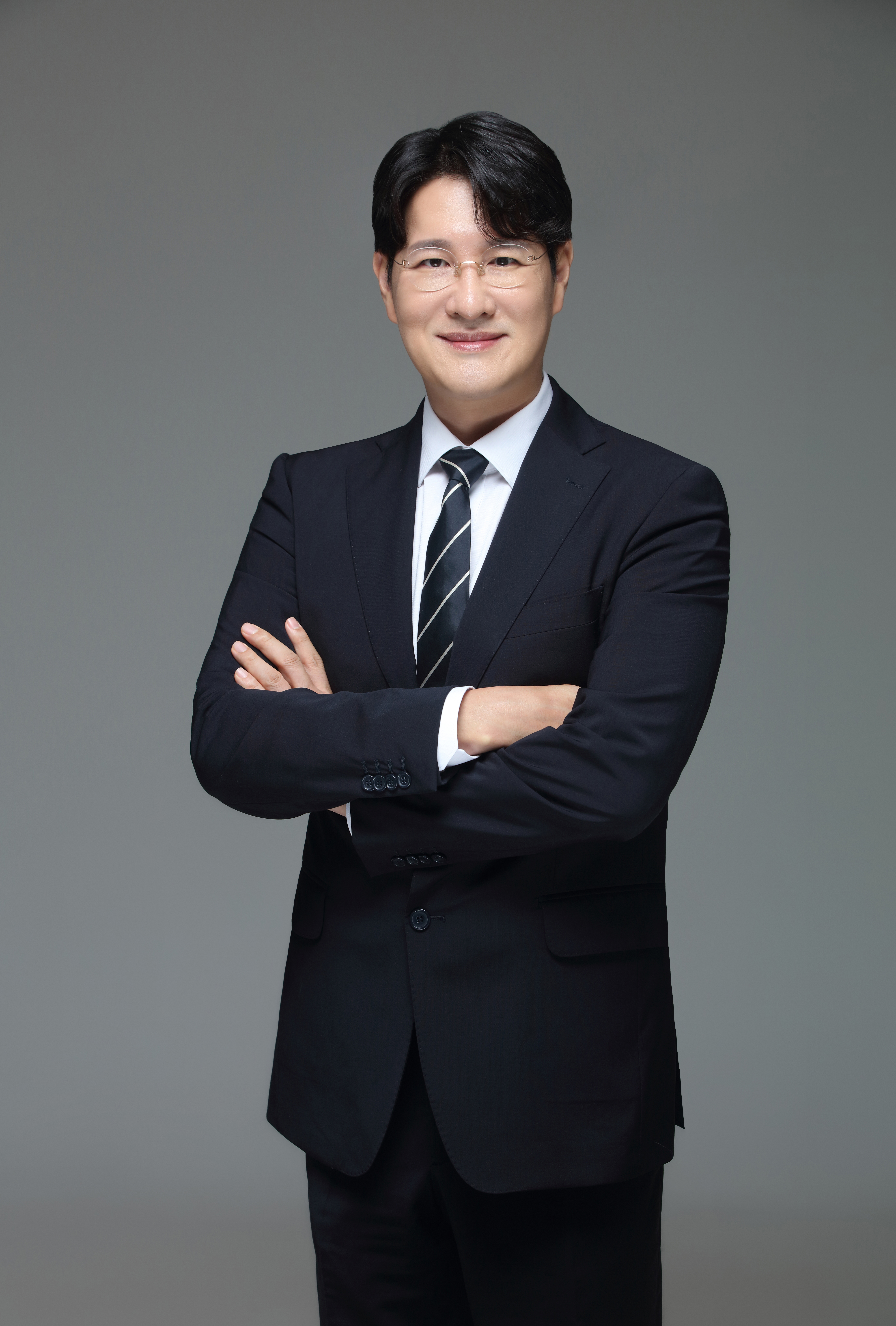
Chief Medical Director Dr. Kang Seung-hoon is personally involved in every consultation and procedure, applying the same standard of care to both domestic patients and international medical visitors. His appearances in broadcast media reflect not only his clinical expertise, but also his ability to communicate complex medical concepts in an accessible, credible way.
You May Be a Great Candidate for Stem Cell Fat Grafting at Cellon Clinic If…
- You've kept up with lasers, Lifting, and other surface treatments — but still look tired or older than you feel
- You've had repeated filler sessions and feel the results look unnatural, or you're simply tired of ongoing maintenance
- You want long-lasting volume restoration using your own tissue
- You see anti-aging as a process of restoration, not just treatment
- You're visiting from abroad and want consistent, end-to-end care — from multilingual consultation to post-procedure recovery guidance
Structural Aging — Let's Approach It from a Different Angle
Book a one-on-one consultation with Dr. Kang Seung-hoon, Chief Director of Cellon Clinic, and discover an anti-aging plan tailored to your unique facial structure. Feel free to reach out via WhatsApp anytime.
Chat with Us on WhatsApp