Thread Lift Side Effects:
Will They Really Go Away on Their Own?
Tightness, lumps, and asymmetry right after treatment — we break down exactly what's a normal part of recovery and when it's time to get a professional opinion, straight from the team at Cellon Clinic.
"Is This a Side Effect?" — The Most Common Questions After Thread Lifting

Thread lifting is a procedure in which dissolvable threads are inserted beneath the skin to physically lift sagging areas while simultaneously stimulating collagen production in the surrounding tissue. Because it delivers an immediate lifting effect without any incision, it has been a consistently popular treatment among people in their 30s to 50s.
That said, it's completely understandable to feel uneasy when, days after the procedure, one side of your face still feels tighter than the other, you can feel small, bead-like bumps under your cheek, or your reflection looks noticeably asymmetrical — and you're not sure whether it will fade on its own or whether something has gone wrong.
The short answer is: "It depends on the type of side effect." Not every form of discomfort is a warning sign. However, if a symptom isn't improving over time — or is actually getting worse — leaving it unaddressed can lead to more serious complications. Let's walk through each type of symptom one by one.
Reactions You Can Monitor at Home vs. Symptoms That Need Professional Attention
Reactions after thread lifting generally fall into two categories: those that are a normal part of the healing process, and those that require early medical evaluation. The most important question to ask yourself is "Is it getting better over time?" A normal recovery follows a steady trajectory of improvement — if your symptoms are staying the same or getting worse, it's best not to leave them unaddressed.
Reactions You Can Monitor at Home
- Swelling and mild bruising immediately after the procedure — typically resolves within 1–2 weeks
- A pulling sensation or heavy foreign-body feeling at the insertion site — usually eases within 2–3 weeks
- Mild discomfort when opening your mouth wide — diminishes as the threads settle in
- Slight sensitivity along the thread insertion path
- Minor surface dimpling — generally flattens out within 2–4 weeks
- Initial left-right asymmetry — caused by uneven swelling; reassess at the 4-week mark
Symptoms That Need Professional Attention
- Pain or tenderness that persists beyond 2 weeks or is getting worse
- Warmth, redness, or discharge — possible signs of infection
- A thread end protruding through the skin
- Noticeable distortion or pulling on one side of the face only
- Hematoma formation — especially if widespread or severely painful
- A firm nodule that remains after 4 weeks
If you're unsure which category your symptoms fall into, coming in for an evaluation is always the safest choice. At Cellon Clinic, our post-procedure consultations help you determine whether what you're experiencing is a normal part of recovery — or whether any additional steps are needed.
Causes and Clinical Context by Side Effect Type
Discomfort after thread lifting is often not simply a matter of "something went wrong." The type of thread used, insertion depth, anatomical characteristics of the area, individual skin thickness and recovery capacity, and post-procedure lifestyle habits all play a role. Understanding the causes behind each type of side effect can help ease unnecessary anxiety — and help you better judge when a clinic visit is truly needed.
Skin Surface Dimpling / Puckering
When the direction the thread pulls doesn't align with the skin's elasticity, small wrinkles or indentations can appear on the surface. In most cases, these resolve naturally within 2–4 weeks as the thread settles into the surrounding tissue. If they persist beyond 4 weeks, a tension adjustment procedure may be needed.
Nodules / Palpable Threads
The barb structure or knotted areas of the thread can feel noticeable when inserted close to the skin surface in areas with thin fat layers. It's common for this sensation to resolve within 3–8 weeks as the surrounding tissue encapsulates the thread. Areas with less subcutaneous fat — such as the cheekbones or temples — may remain palpable a bit longer.
Left-Right Asymmetry
Early asymmetry is most often due to swelling concentrated on one side. If asymmetry persists after the 4–6 week mark when swelling has fully subsided, it may indicate a difference in thread tension or anchoring position — in which case a corrective adjustment procedure is often possible.
Infection / Foreign Body Reaction
Redness at the treatment site accompanied by heat, tenderness upon pressure, or discharge may suggest infection or a foreign body reaction. In these cases, it's important to visit the clinic promptly for evaluation, as antibiotic treatment or thread removal may be required.
Thread Extrusion
This occurs when the end of an inserted thread works its way through the skin surface. Even absorbable threads can extrude before they are fully dissolved. Since this can create a pathway for bacterial infection, do not attempt to handle it yourself — the thread must be safely removed by a professional.
Hematoma
This occurs when blood pools due to minor vessel damage during thread insertion. If the hematoma is localized and not severely painful, compression and watchful waiting for natural absorption is usually appropriate. However, if the area is extensive or pain is significant, drainage may be necessary. Anyone taking anticoagulants must inform their provider before the procedure.
How Cellon Clinic Approaches Thread Lifting
The rate of side effects is directly tied to where you receive treatment and the standards upheld by that clinic. At Cellon Clinic, thread lifting is not simply "inserting threads" — it is viewed as a complete medical process, from initial diagnosis through post-procedure care.
Precise Diagnosis — Mapping Facial Anatomy
Even patients of similar age and degree of sagging can differ significantly in fat distribution, ligament structure, and skin thickness — all of which determine the appropriate insertion depth and thread type. Proceeding without a standardized assessment increases the risk of unnecessary tissue damage and asymmetry. At Cellon Clinic, facial structural analysis is the foundation of every treatment plan.
Thread Selection — Matching Material and Structure to the Goal
Thread material — PDO, PLLA, PCL — and barb pattern each influence longevity and lifting vector. Whether the primary goal is collagen stimulation or physical tissue repositioning determines which thread is appropriate, and this decision has a significant impact on the quality of the final result. Selecting the right thread for the right purpose and area is the first step in preventing complications.
Procedural Precision — Respecting Anatomical Safety Planes
Even a slight deviation in the insertion plane can dramatically alter both the outcome and the risk of side effects. Placing threads too superficially increases the chance of palpability or protrusion, while placing them too deeply can affect critical underlying structures. Skilled, anatomy-respecting technique that stays within the safe tissue plane is the cornerstone of a safe result.
Post-Procedure Monitoring — Early Recovery Assessment
A follow-up check within one to two weeks allows us to confirm that healing is progressing normally. Issues such as dimpling, asymmetry, or nodules identified at this stage can often be corrected with minimal intervention. If a problem goes unnoticed until four to six weeks post-procedure, the scope of correction typically increases — which is why early follow-up matters.
Before & After Your Treatment: Practical Tips to Minimize Risk
Great results aren't decided solely in the treatment room. How you prepare beforehand — and how you take care of yourself afterward — has a significant impact on your recovery speed and final outcome. Above all, sharing an accurate picture of your health status and any medications you're taking is the single most important first step in preventing complications.
Before Your Treatment — Please Let Us Know
- If you're taking blood thinners (aspirin, warfarin, etc.) — increased risk of bruising and hematoma
- History of autoimmune conditions or keloid scarring — prior assessment for foreign body reaction risk required
- Avoid alcohol and smoking for 2 weeks before treatment — both affect circulation and your body's ability to heal
- Share any treatments performed on the same area within the past 6 months — helps us assess thread overlap risk
After Your Treatment — How to Care for Yourself
- Avoid intense exercise, saunas, and alcohol for the first week — prevents worsening of swelling and bruising
- Refrain from opening your mouth wide or chewing excessively for 1–2 weeks — allows threads to settle in place
- Cleansing and makeup should follow your provider's guidance — typically permitted from the day after treatment
- If any discomfort arises, come in for a consultation rather than self-managing — early intervention protects your results
"With thread lifting, the outcome depends far less on the procedure itself and far more on who is performing it, what threads they select, and at which tissue layer they're placed. If you have concerns about side effects, the most important first step is booking a thorough consultation before your treatment — so a plan can be tailored to your specific skin condition."— Dr. Kang Seung-hoon, Chief Director, Cellon Clinic
Thread Lift Side Effects — Frequently Asked Questions
Still Have Questions About Silhouette Lifting? Let's Talk First
If you're concerned about side effects, the best prevention starts with a thorough consultation before you begin.
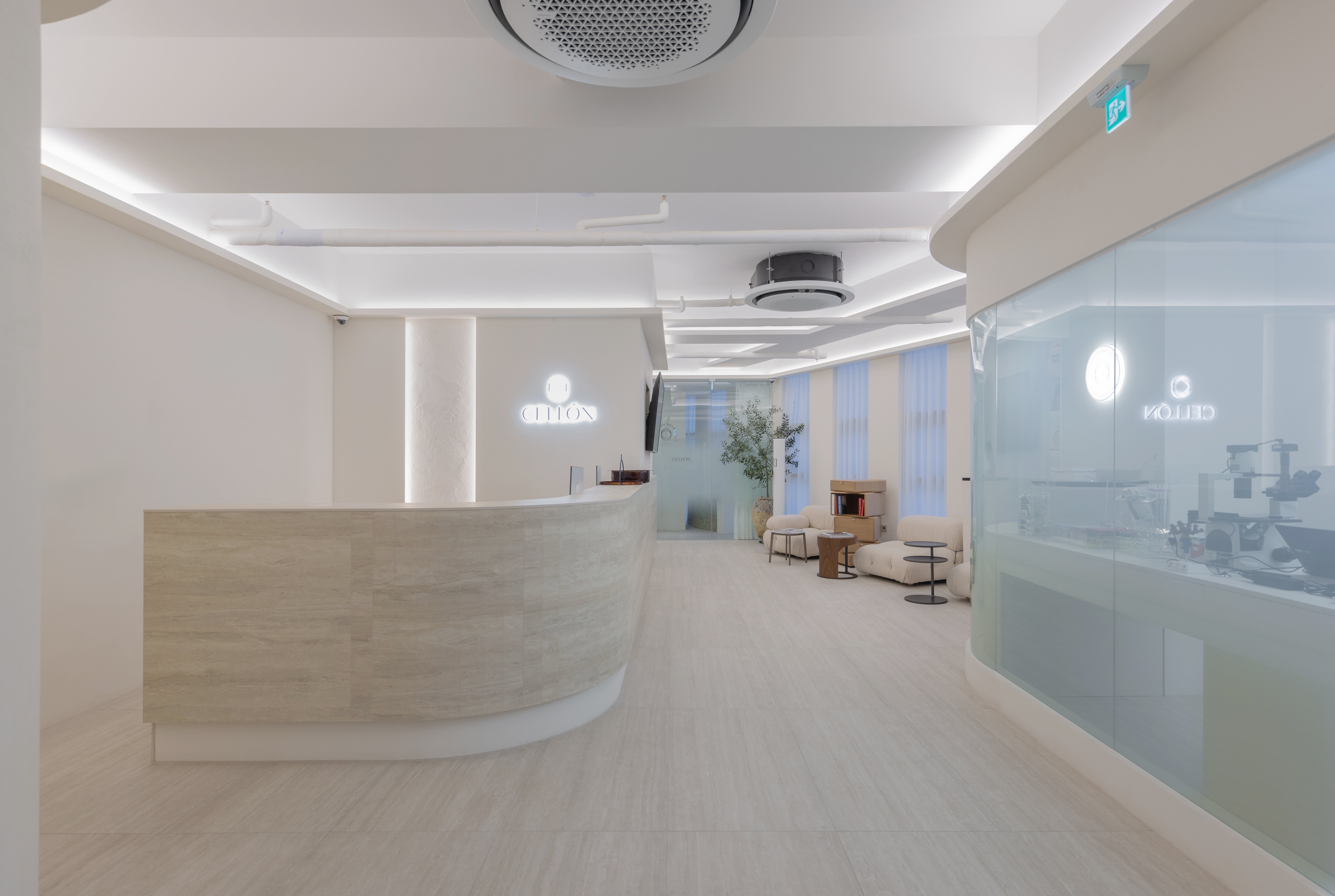
At Cellon Clinic Cheongdam, we'll work with you to create a plan tailored to your skin condition and goals.