

Ultherapy Prime vs. Classic Ultherapy:
What's Actually Different?
Cellon Clinic has just introduced Ultherapy Prime. After using it firsthand, I found it hard to describe it as simply an "upgraded version" — there were nuances worth discussing, and some improvements genuinely exceeded my expectations. Today, I want to share that experience honestly.
Ultherapy: Why It's Still the Gold Standard

There are dozens of HIFU (High-Intensity Focused Ultrasound) lifting devices on the market today. Yet the name "Ultherapy" continues to be cited as the benchmark in this category — and for good reason. It was the first non-invasive facial lifting device to receive FDA clearance, and to this day, it carries the most extensive body of clinical data behind it.
That said, let's be honest: traditional Ultherapy has always had one lingering challenge — pain. Because the technology delivers energy deep into the SMAS layer (superficial musculoaponeurotic system) beneath the dermis, the sharp, intense sensations during treatment were a real concern for many patients. The trust in its results was there, but the experience of getting through the procedure was another story.
So when Ultherapy Prime arrived as the upgraded version, I'll admit I had my reservations — until I actually had the device in hand and could see it in action myself.
"Even with a device known for outstanding results, if a patient can't tolerate the discomfort and the treatment has to be cut short, we simply can't deliver adequate energy to the target area. Pain management isn't just about comfort — it directly affects the quality of the outcome."
— Dr. Kang Seung-hoon, Medical Director, Cellon Clinic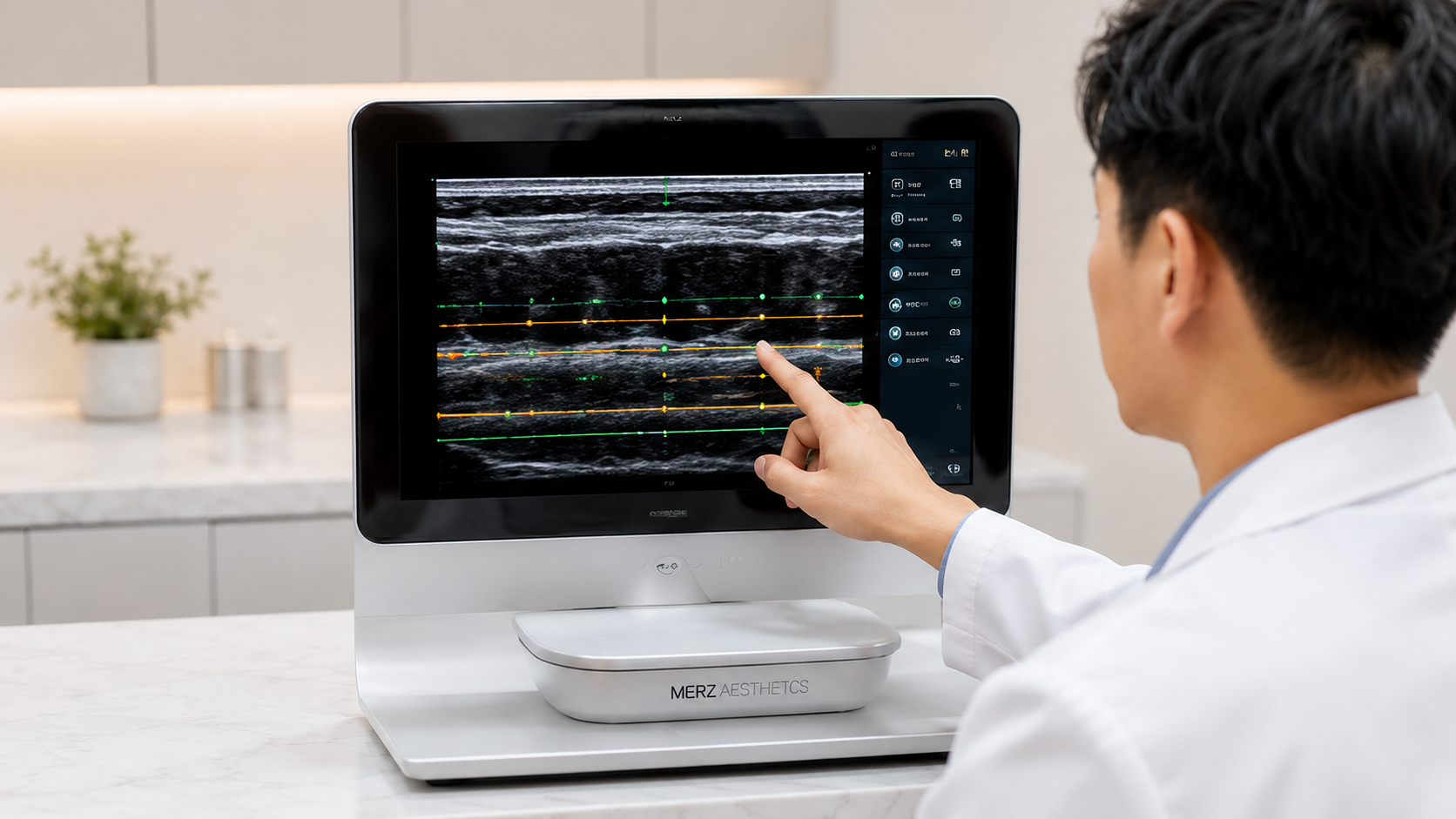
What's New with Ulthera Prime?
Ulthera Prime brings three core upgrades: more precise energy delivery, shorter treatment time, and improved real-time tissue imaging. Let's break each one down.
Original Ulthera
- EnergyFixed output delivery
- DiscomfortFrequently reported as sharp and intense
- TimeApprox. 60–90 min for the full face
- ImagingDeepSEE ultrasound imaging
- DeliveryIntermittent energy (shot-by-shot)
Ulthera Prime
- EnergyAuto-adjusted to tissue density
- DiscomfortNoticeably reduced pain levels
- TimeApprox. 30–40% faster per treatment line
- ImagingHigher resolution + real-time feedback
- DeliveryContinuous delivery mode
The original Ulthera fired energy at a fixed output — essentially the same intensity regardless of what tissue it was targeting. Prime works differently: its transducer continuously reads tissue density in real time and fine-tunes the energy level on the fly. The manufacturer calls this Prime Adaptive Technology. In plain terms, it means the device no longer treats dense tissue and soft tissue the same way.
Why does this matter? With the original system, the sharpest pain spikes typically occurred near bony areas or zones with thin fat layers. Because Prime automatically adjusts output in those sections, patients experience significantly lower peak discomfort during the procedure.
What Does the Treatment Process Look Like?
The overall flow of an Ulthera Prime treatment isn't drastically different from the original — but the sensations and time you'll experience during the process feel noticeably different in practice.
Skin Analysis & Depth Configuration
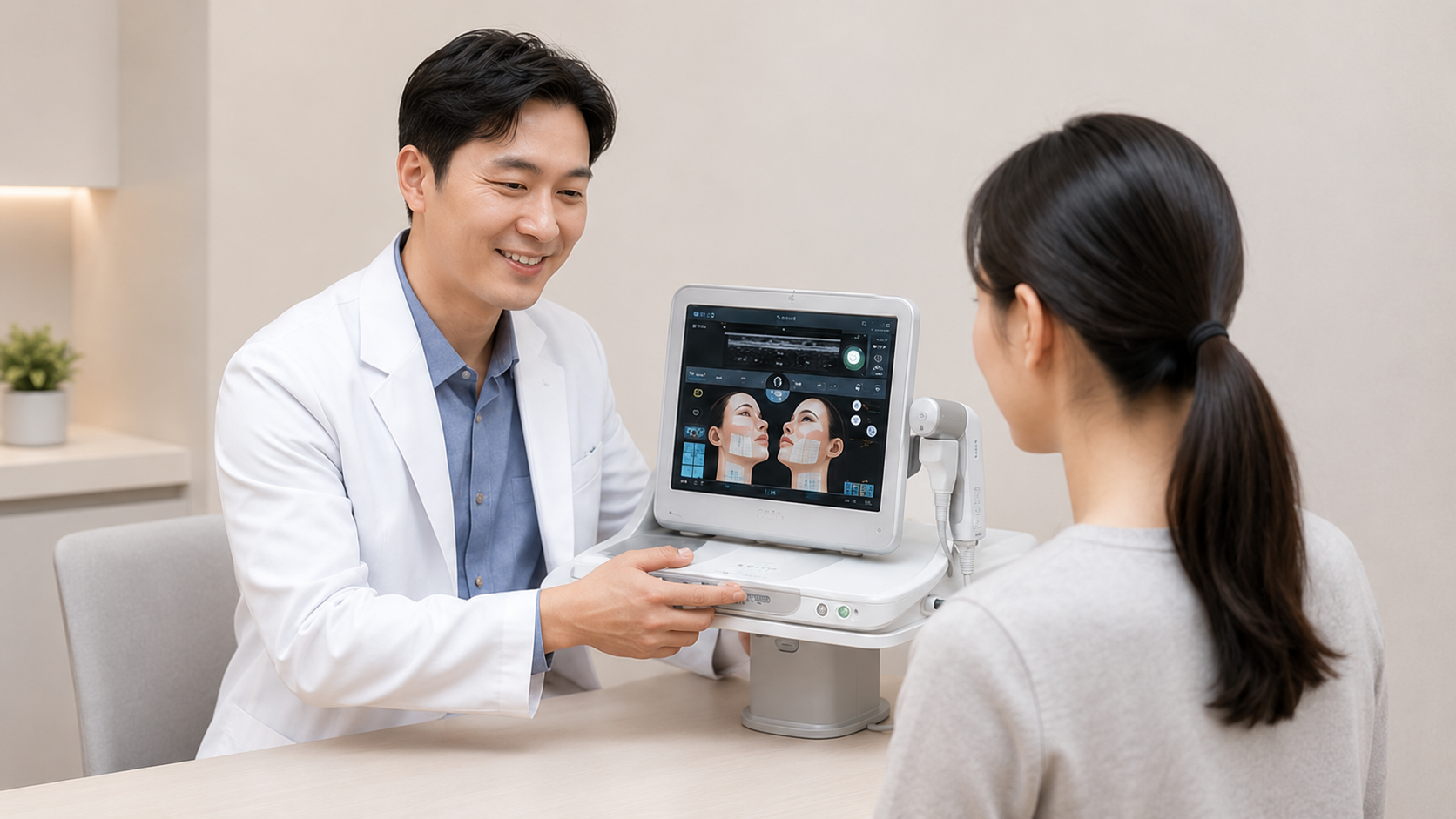
Before the treatment begins, an upgraded DeepSEE ultrasound imaging system maps your skin tissue in real time. The thickness of the fat layer and the exact position of the SMAS layer are confirmed on the spot, allowing us to select the optimal transducer combination and treatment depth for each zone. The improved imaging resolution means more precise targeting compared to the previous generation.
Pain Management
Even with Prime, HIFU is not a pain-free procedure. Topical numbing cream is applied as standard, with nerve block anesthesia available when needed. At Cellon Clinic, we assess each patient's pain sensitivity beforehand and tailor the anesthesia approach accordingly.
Adaptive Energy Delivery
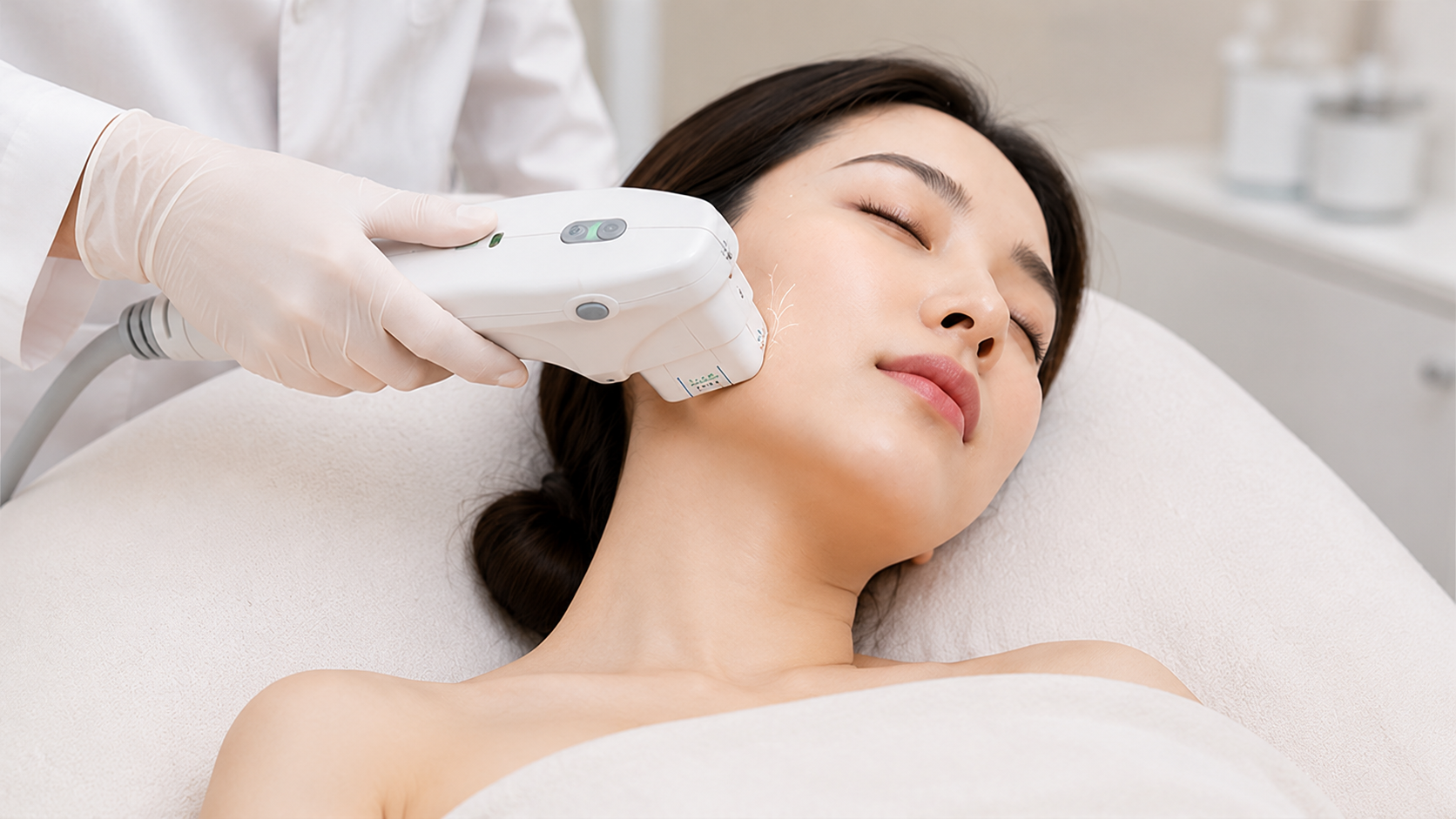
This is the main treatment phase. As the handpiece glides across the skin, the device continuously senses tissue density and delivers energy in smooth, uninterrupted lines. The sharp, repetitive "thud" felt with each individual shot in older systems has shifted to a gentler, sustained warmth — a noticeably different sensation overall.
Multi-Depth Coverage & Finishing
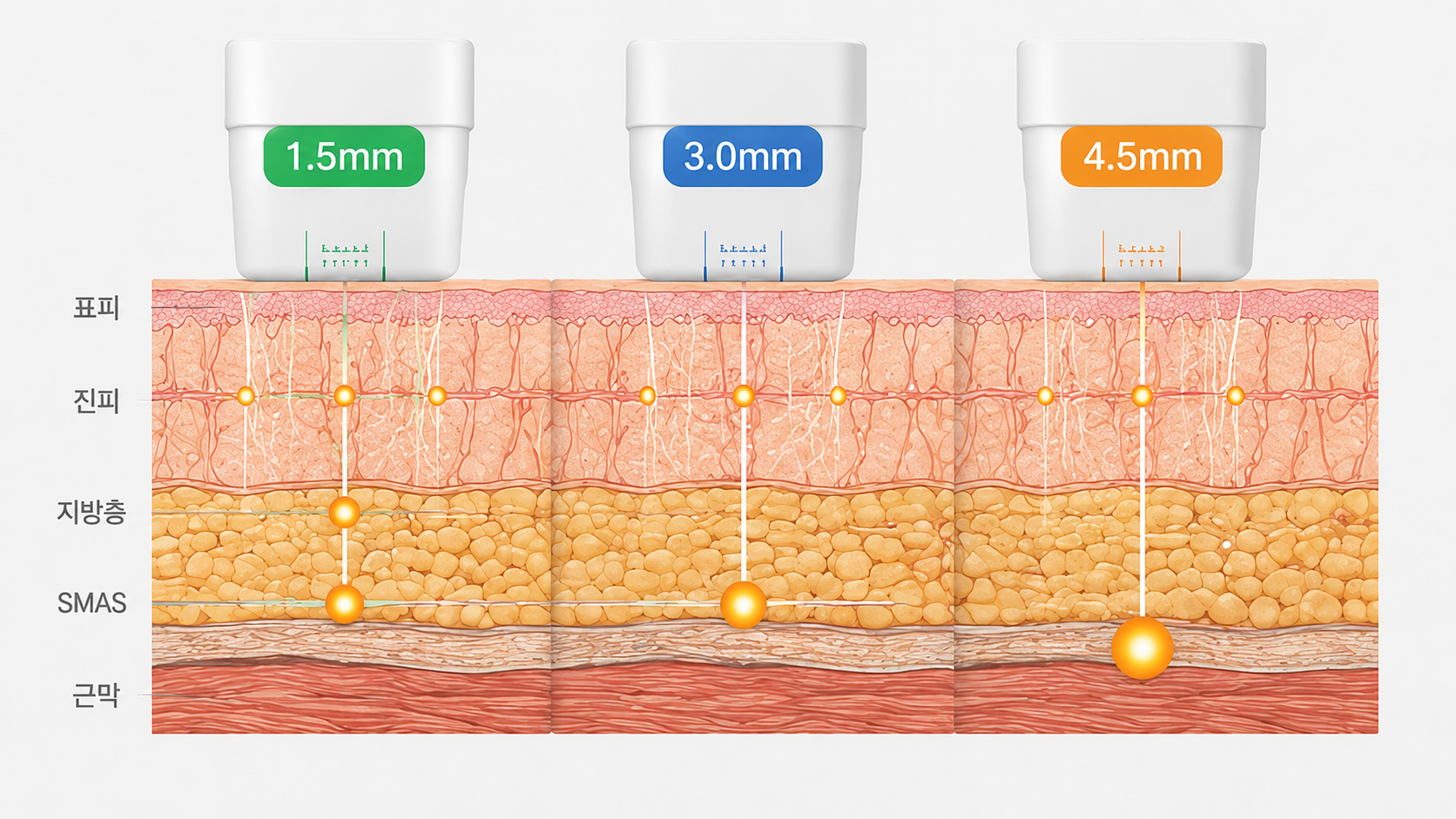
The 3.0mm transducer (targeting the SMAS layer) and 4.5mm transducer (sub-fascial layer) are used in combination depending on the treatment area. A 1.5mm transducer (sub-dermal layer) is added where needed. After the treatment, a cooling and soothing step is applied to wrap things up. Total session time varies by area, but for a full-face treatment, most patients feel it runs about 30–40% shorter than before.
Results & Recovery: The Honest Truth
One thing all Ulthera-based treatments have in common is that results don't show up overnight — they build gradually over time. HIFU energy triggers collagen denaturation, which then stimulates new collagen production, causing the tissue to tighten progressively. That's why the 1–3 month mark post-treatment is typically when you'll notice the most visible improvement in skin texture and lifting.
In terms of recovery, some redness or swelling on the day of treatment is normal, and in rare cases, temporary changes in sensation or mild bruising may occur in the treated area. Most of these resolve within 1–2 weeks. That said, your experience can vary depending on your skin condition, the energy settings used, and the areas treated — which is why a thorough consultation beforehand is so important.
What I consider the biggest clinical advantage of the Prime is that it delivers more consistent energy with noticeably less discomfort. With traditional Ulthera, pain sometimes forced us to dial down the energy or reduce the number of lines mid-treatment. Prime makes it much easier to maintain uniform quality throughout the entire session.
Who Is Ulthera Prime Right For?
Those in their late 30s to 40s experiencing early skin laxity / Anyone who tried traditional Ulthera but couldn't complete it due to pain / Those with limited time for treatment sessions / Anyone looking to address both lifting and skin texture in one go
Who Should Consult Carefully Before Proceeding?
Those who are pregnant or breastfeeding / Anyone with metal implants, permanent fillers, or threads in the treatment area / Those with active skin inflammation / Anyone with a history of severe keloid scarring
Ultherapy Prime at Cellon Clinic — Our Approach
Having a better device and actually using it well are two different things. Even though Prime's Adaptive technology automatically adjusts energy output to match tissue conditions, the choice of transducer combination, number of lines, and depth settings still comes down to the practitioner's judgment.
At Cellon Clinic, even after introducing Ultherapy Prime, we continue to use DeepSEE imaging to assess each patient's SMAS layer position and fat layer thickness before establishing a personalized energy plan. Even patients of the same age can have significantly different skin thickness and fat distribution, which is why we believe an individualized approach matters far more than a standardized "set number of lines" protocol.
Beyond that, Cellon Clinic doesn't rely on Ultherapy alone for lifting. When appropriate, we design more comprehensive results by combining it with regenerative medicine-based treatments — such as Exosome therapy or Rejuran — or thread lifting. The idea is simple: use energy devices to rebuild firmness, then support the skin's own recovery and renewal through regenerative treatments.
"Ultherapy Prime has certainly addressed much of the discomfort issue. But personally, what I find even more meaningful is the improvement in imaging precision. Being able to see more clearly where the energy is being delivered means we can apply it more accurately."
— Dr. Kang Seung-hoon, Chief Physician, Cellon ClinicUlthera Prime — Frequently Asked Questions
Q. Is Ulthera Prime more effective than the original Ulthera?
Direct comparison data is still being accumulated. That said, Ulthera Prime's ability to deliver sufficient energy more uniformly gives it an advantage in terms of consistency of results. Since the original Ulthera's effectiveness is already well-established when energy is delivered correctly, think of Prime as a device that meets those same conditions more reliably and stably.
Q. I've heard the pain has decreased significantly — does that mean it's completely painless?
Because HIFU works by delivering thermal energy to the tissue beneath the dermis, completely pain-free treatment is difficult to achieve. However, many patients report that peak discomfort is noticeably reduced compared to the original Ulthera. We apply topical anesthetic as standard, and additional anesthesia is available for those with higher pain sensitivity.
Q. Can I go back to my normal routine right after the treatment?
Yes — most patients can cleanse and apply makeup on the same day, with minimal disruption to daily life. We do recommend avoiding alcohol, strenuous exercise, and activities that cause vasodilation (such as saunas) on the day of treatment. Depending on the area treated, some temporary swelling or redness may occur.
Q. What about combining Ulthera Prime with thread lifting?
This is actually a fairly common treatment plan. Ulthera Prime focuses on improving tissue elasticity and stimulating collagen regeneration, while thread lifting adds a physical lifting effect on top of that. Generally, the two are performed in sequence with an interval between them rather than simultaneously. The ideal order and timing for each individual is determined through consultation.
Q. How long do the results last?
Results vary by individual, but generally last around 6 months to 1 year. This can be influenced by the rate of skin aging, lifestyle habits, and sun exposure. Results typically peak around 2–3 months post-treatment and are gradually maintained thereafter. If you'd like to sustain the effects long-term, annual re-treatment is worth considering.

Experience Ulthera Prime at Cellon Clinic
Better technology only goes so far — what truly makes the difference is how your treatment is designed. At Cellon Clinic, we'll work with you to build a personalized lifting plan tailored to your skin condition and goals.
Chat with Us on WhatsApp