
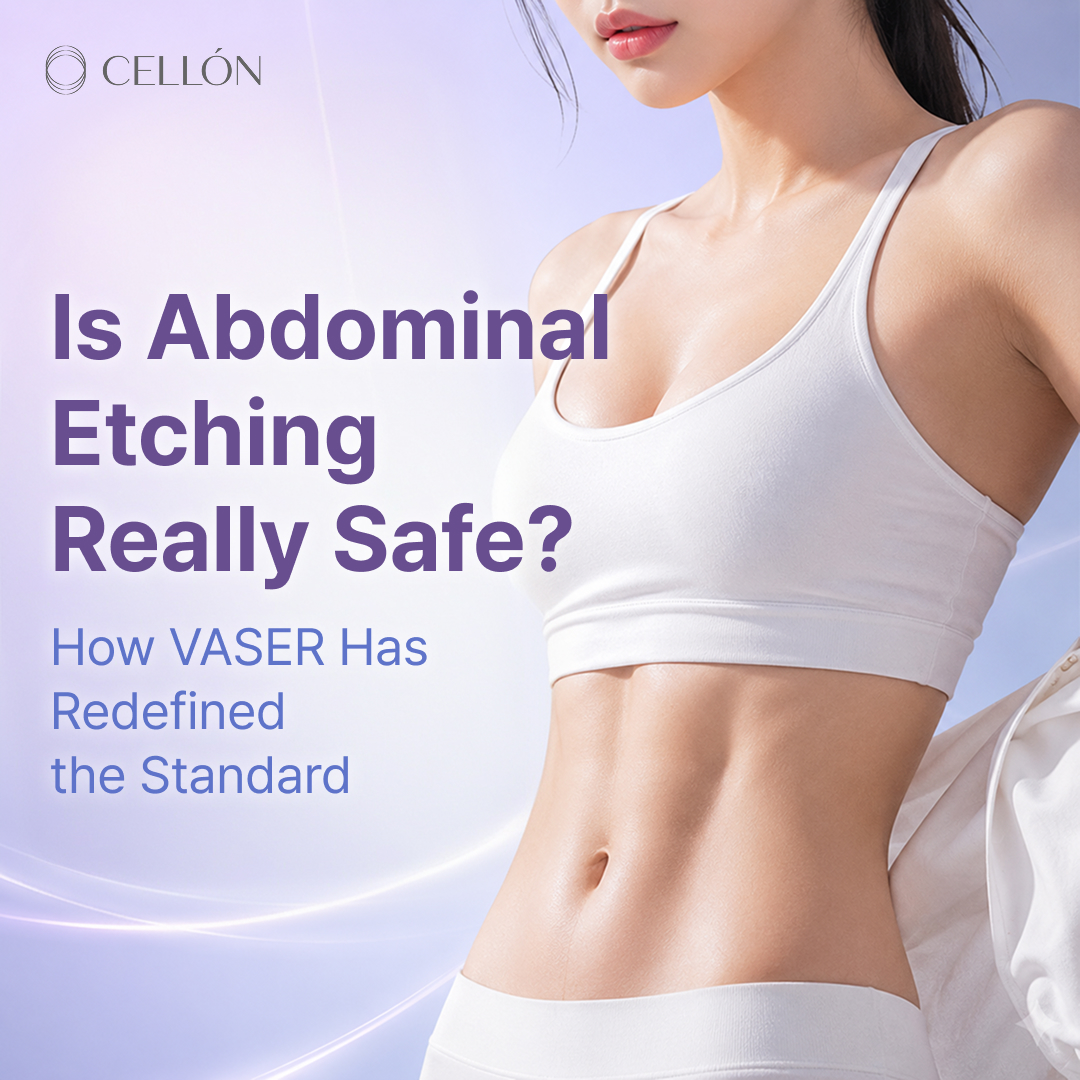
Abdominal Etching — Is It Really Safe Enough to Move Forward With?
How VASER Has Redefined the Standard for Safety
If the idea of achieving defined abs that diet and exercise can't deliver sounds tempting — but you're still on the fence — let's walk through everything you need to know, step by step.
Where Does the Vague Fear of Abdominal Etching Come From?
"Abdominal etching? Doesn't that sound kind of scary?" It's something we hear all the time in consultations. Wanting defined abs while still hesitating to go through with the procedure is a completely natural response. The abdomen is the body's core, and the very idea of instruments being inserted there creates a real psychological barrier.
Much of that anxiety, however, stems from the image people have of Liposuction from a decade ago. Traditional surgical Liposuction carried a genuine risk of bruising, swelling, and irregular skin contours, which cemented the idea that "abdominal etching = major surgery." But the technology has changed considerably since then.
Today, we'll break down exactly how VASER Hi-Def Abdominal Etching differs from conventional methods — and what you should look for to ensure you're getting the procedure safely.
emulsifies fat cells only
around muscle contours
surface texture and depth
What Is VASER, and Why Does It Change the Standard of Care?
VASER stands for Vibration Amplification of Sound Energy at Resonance. In simple terms, it's a technology that uses ultrasound energy to selectively emulsify (liquefy) fat cells — and nothing else. Unlike traditional mechanical liposuction, which physically disrupts tissue, VASER significantly reduces damage to surrounding blood vessels, nerves, and connective tissue.
When combined with the Hi-Def technique, the procedure goes far beyond simple fat reduction. It allows for precise sculpting along the borders of the rectus abdominis muscles. By carefully controlling the thin layer of subcutaneous fat that sits above the muscle, the result is a natural-looking abdominal contour — one that looks earned in the gym, not manufactured in a clinic.
The reason this combination matters for safety is straightforward: the more selectively fat is targeted, the less surrounding tissue is disturbed — which means faster recovery and a lower risk of surface irregularities. Of course, these are inherent advantages of the technology itself. The final outcome still depends on the provider's anatomical knowledge and hands-on experience.
Traditional Liposuction
- Fat is removed through mechanical physical force
- Higher relative risk of damage to vessels and nerves
- Longer recovery time for swelling and bruising
- Greater risk of surface irregularities
VASER Hi-Def
- Ultrasound selectively emulsifies fat cells only
- Minimal trauma to surrounding tissue
- Comparatively shorter recovery period
- 3D sculpting along natural muscle definition
Key Factors to Verify for Safe Abdominal Etching
No matter how advanced the technology becomes, safety isn't something technology alone can guarantee. There are three core factors that determine safety in Abdominal Etching.
The 3 Pillars of Abdominal Etching Safety
-
The Physician's Anatomical Knowledge and Experience VASER Hi-Def requires a three-dimensional understanding of where each muscle sits and how fat layer thickness varies across the body. The physician must have precise knowledge of the direction and boundaries of the rectus abdominis, external oblique, and internal oblique muscles. Experience matters enormously here — the more cases a physician has handled, the more refined their ability to tailor the "design" to each patient's unique body type.
-
Thorough Pre-Procedure Assessment — Confirming Candidacy Abdominal Etching isn't the right fit for everyone. Subcutaneous fat thickness, skin elasticity, BMI, and the degree of existing muscle development all influence the outcome. For patients with significant visceral fat, removing subcutaneous fat alone is unlikely to produce visible results — and safety considerations also become more complex. A rigorous pre-procedure evaluation is essential before moving forward.
-
Pre- and Post-Operative Care Protocol Intraoperative safety is critical, but what happens during recovery is just as important in shaping the final result. Wearing a compression garment for the appropriate duration, supporting lymphatic circulation, and systematically monitoring swelling are all essential steps to prevent surface irregularities and fibrosis. This is precisely why post-procedure care matters just as much as the procedure itself.
How Cellon Clinic Approaches Abdominal Etching
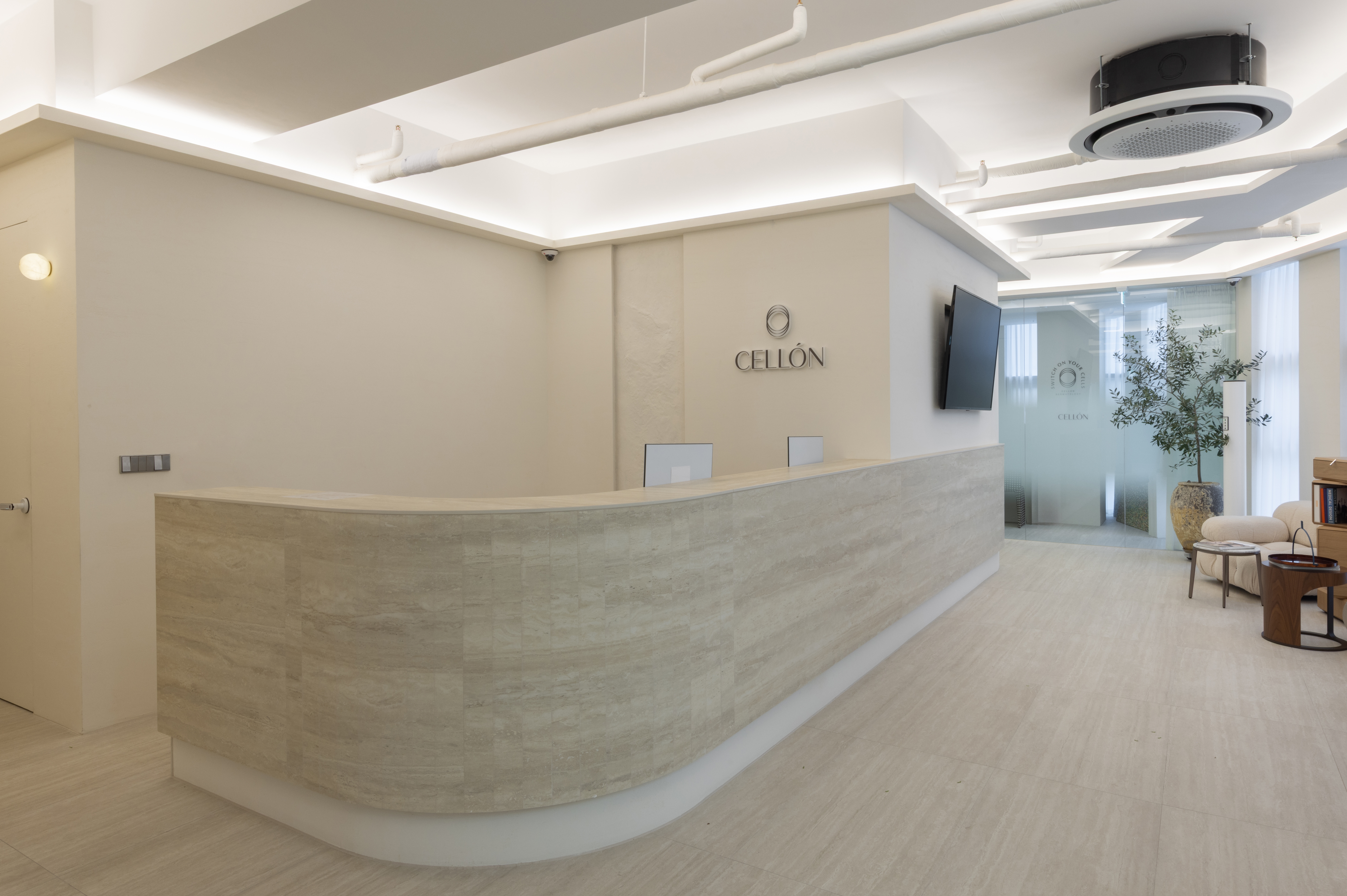
Cellon Clinic is a Cheongdam-based Designated Advanced Regenerative Medicine Hospital (accredited by the Ministry of Health and Welfare), and our philosophy goes well beyond simply removing fat. VASER Liposuction and Hi-Def Abdominal Etching sit at the heart of Cellon's precision body contouring lineup.
Every step is personally handled by Dr. Kang Seung-hoon, our Medical Director. From your initial consultation and candidacy assessment to treatment planning, the procedure itself, and recovery management — the same physician remains with you throughout. This continuity is a core principle at Cellon, because consistent oversight is the only way to truly understand each patient's unique physique and monitor their recovery progress.
Cellon also operates a regenerative medicine-based treatment lineup. During the post-procedure recovery phase, we apply a comprehensive management protocol that pairs VASER Abdominal Etching with regenerative therapies such as Exosome and Rejuran treatments to actively support tissue healing.
Cheongdam Designated Advanced Regenerative Medicine Hospital
As an officially accredited institution by the Ministry of Health and Welfare, every procedure is performed under rigorous medical standards. This designation is formal proof of our commitment to patient safety.
Regenerative Medicine-Based Recovery Protocol
During the post-procedure recovery phase, we combine regenerative therapies such as Exosome and Rejuran to support tissue healing through a comprehensive, multi-modal protocol.
Performed Directly by the Medical Director
Dr. Kang Seung-hoon personally oversees everything — from consultation and the procedure itself to aftercare. You receive consistent, uninterrupted care from the same physician throughout.
Expertise Recognized in the Media
Dr. Kang's expertise has been validated through multiple television appearances. Both domestic and international patients receive the same high standard of care.
In Abdominal Etching, what matters most isn't just technical precision — it's who is performing the procedure and how thoroughly they understand your body. Even with the same VASER technology, the outcome changes entirely depending on the design plan and the physician's anatomical expertise.
Recovery After Abdominal Etching — What to Realistically Expect
"I'm more worried about the recovery than the procedure itself" — we hear this a lot. Here's an honest look at what the recovery process typically looks like after VASER Hi-Def Abdominal Etching.
Immediately After — Week 1: This is when swelling and bruising are at their most intense. You'll need to wear a compression garment and avoid strenuous activity. Discomfort around the navel and sides is completely normal during this phase.
Weeks 2–4: Swelling begins to subside noticeably, and you'll start to see the early contour changes taking shape. Lymphatic drainage or professional massage can be beneficial during this period. Most patients are able to return to daily activities within two weeks, though intense exercise should wait until the 4–6 week mark.
2 Months and Beyond: As skin elasticity recovers, abdominal definition becomes increasingly visible. Final results typically take 3–6 months to fully develop. Maintaining light physical activity during this period helps the results show more clearly.
If you notice any unusual symptoms during recovery — fever, rapidly increasing swelling, discharge, or changes in skin color — it's important to come in for an evaluation right away. A prompt response is the most reliable way to protect your results.
Frequently Asked Questions — Abdominal Etching Safety
It depends on the scope of the procedure, but at Cellon Clinic we typically use a combination of IV sedation (conscious sedation) and local anesthesia. This approach doesn't require full general anesthesia, allowing for a more precise procedure with a relatively lighter recovery burden. The anesthesia plan is tailored to each patient's treatment scope and overall health, so we recommend discussing the specifics during your initial consultation.
VASER Hi-Def Abdominal Etching targets the subcutaneous fat layer. When there is a significant amount of visceral fat, removing subcutaneous fat alone may not reduce overall abdominal volume enough for muscle definition to show clearly. Proceeding with the procedure in that situation often leads to results that fall short of expectations. This is why a thorough pre-treatment assessment and an honest consultation are essential before moving forward.
Fat cells removed through liposuction do not regenerate in that area. However, if you gain weight, fat in other remaining areas of the body can increase — and new fat deposits can also accumulate in the abdomen over time. To maintain your results long-term, it's important to keep your weight stable and incorporate regular exercise after the procedure.
In general, light walking can begin within 1–2 weeks, and gentle stretching from around 3–4 weeks. Exercises that directly engage the core — such as sit-ups or planks — are typically safe to resume at 4–6 weeks, while high-intensity training should only begin after clearance from your treating physician. Recovery timelines vary by individual, so regular follow-up is important.
How natural the results look depends heavily on the design plan and the skill of the practitioner. Etching too aggressively or applying a design that doesn't suit the patient's body type can result in an unnatural or asymmetrical appearance. At Cellon Clinic, we base our approach on an anatomical analysis of each patient's physique, with natural-looking contour as our primary goal. The idea isn't to replicate someone else's abs — it's to find the contour that looks most harmonious with your own muscle structure.
Abdominal Etching — Start with a Consultation
Accurate information matters more than vague worries. Our head physician, Dr. Kang Seung-hoon, will personally evaluate your body type and give you honest, tailored guidance on the best approach for you.
Chat with Us on WhatsAppCellon Clinic · Cheongdam · Designated Advanced Regenerative Medicine Hospital