
VASER Liposuction Recovery Timeline
From Day 1 to 3 Months — A Step-by-Step Guide
Understanding what to expect before your procedure can ease unnecessary anxiety and give you a clear roadmap for aftercare. Based on our clinical experience, Cellon Clinic has put together a detailed, stage-by-stage recovery timeline.
Why VASER Differs from Traditional Liposuction — and How That Affects Your Recovery

VASER Liposuction uses ultrasound energy to selectively liquefy fat cells before they are removed, leaving surrounding blood vessels and connective tissue largely intact. Because of this targeted approach, the recovery experience differs noticeably from that of conventional mechanical liposuction.
Traditional Liposuction Recovery
- Broader areas of bruising and bleeding in the early stages
- Tissue trauma can lead to prolonged swelling
- Relatively limited skin-tightening effect
- Higher likelihood of uneven contour irregularities
VASER Liposuction Recovery
- Ultrasound selectively targets fat — surrounding tissue is protected
- Skin contraction and re-elasticity effects can be expected
- Enables precise body sculpting, including Hi-Def Abdominal Etching
- Early bruising and swelling are present, but the overall recovery curve tends to be more gradual
"The question I hear most during recovery is, 'Is this normal?' Knowing the timeline in advance makes it so much easier to stay calm when those symptoms appear."
— Dr. Kang Seung-hoon, Chief Medical Director, Cellon ClinicDay 1 to 3-Month Recovery Timeline — A Complete Step-by-Step Guide
Recovery can vary depending on the treatment area, volume removed, and your body's natural healing ability. The timeline below reflects a typical clinical progression.
1~2
Drainage and Compression — The Most Uncomfortable Phase
Right after the procedure, residual tumescent fluid, emulsified fat, and anesthetic solution will naturally drain through small incision sites or drainage tubes. It's completely normal to see reddish or yellowish fluid seeping through your compression garment. You'll be fitted with a compression garment immediately post-procedure — this helps minimize swelling and bruising while supporting skin retraction.
Rest is the top priority during this phase. Avoid unnecessary movement or sudden changes in position, and stay in the recommended resting posture. Pain levels vary from person to person, but prescribed pain medication is generally sufficient to keep discomfort manageable.
3~7
Peak Swelling — It's Too Early to Judge Your Results
Swelling typically peaks between days 3 and 5. You may actually look more swollen than before the procedure — this is a completely normal response as your tissues work to rebalance fluid levels. It's not a sign that something has gone wrong; it means your body is actively healing.
Bruising is also most visible during this period. Discoloration, tightness, and a mild sense of pressure in the treated area are all expected and within normal range. Strenuous exercise, alcohol, and sauna visits must be avoided, as they can significantly worsen swelling.
Your first follow-up visit typically takes place around this time to check on drainage and assess how your compression garment is fitting.
~4W
Swelling Starts to Subside — You Can Begin Returning to Daily Life
Most patients notice a visible reduction in swelling starting around week two. Bruising gradually fades to a yellowish tone and continues to lighten, and mobility improves considerably. For many patients, a return to desk-based work becomes possible during this window.
That said, compression garment wear must continue. The garment plays a critical role in helping the skin re-adhere and contract — removing it too early during this phase can lead to surface irregularities or skin laxity. Your medical team will provide specific guidance on duration, but wearing it for at least 4 to 6 weeks is generally recommended.
Incorporating manual lymphatic drainage (MLD) massage during this period can help accelerate the resolution of swelling and prevent fibrosis — the hardening or thickening of tissue beneath the skin.
~3M
Results Begin to Emerge — Skin Elasticity Recovers Alongside Contouring
By the two-month mark, roughly 70–80% of swelling has resolved and your results start to take clear shape. Thanks to the VASER ultrasound technology, skin tightening and retraction become increasingly apparent during this phase, and you'll notice your contours becoming more defined over time.
By the three-month mark, most swelling has cleared and approximately 80–90% of your final result is visible. Some residual swelling in deeper tissue layers may persist until the six-month point, but at a level that has no impact on daily life.
Light cardio and gentle strength training can typically be reintroduced during this phase. However, any exercise that places direct impact on the treated area should be discussed with your doctor before starting.
+
Final Results Revealed — Connective Tissue Remodeling Is Complete
After six months, collagen remodeling in the skin and subcutaneous tissue is fully complete, and you can assess your true final outcome. The skin tightening effect characteristic of VASER liposuction is also most apparent at this stage.
At Cellon Clinic, we schedule a six-month follow-up to evaluate your final results together and, if needed, discuss any additional care or refinement options.
Key Factors That Slow Down Your Recovery — Avoid These for Better Results
Recovery timelines vary from person to person, but minimizing lifestyle-related variables can help you heal more smoothly and predictably.
Alcohol & Smoking
Alcohol dilates blood vessels, worsening swelling and interfering with the absorption of nutrients essential for healing. Smoking reduces circulation, which can significantly slow tissue recovery. We strongly recommend avoiding both for at least 2–4 weeks before and after your procedure.
Removing Your Compression Garment Too Early
Compression garments are one of the most important tools in Liposuction recovery. Taking them off too soon can prevent the skin from properly re-adhering to the underlying tissue, potentially leading to uneven contours or skin laxity. Always follow the wear schedule provided by your medical team.
Excessive Sodium Intake
Salty, heavily seasoned foods increase fluid retention in the body, prolonging swelling. During your recovery period, a low-sodium, protein-rich diet can make a noticeable difference in how quickly you heal.
High-Heat Environments (Sauna, Steam Rooms)
During the early recovery phase (at least the first 4 weeks), avoid saunas, steam rooms, and hot baths. Heat causes blood vessels to expand, increasing the risk of swelling, bleeding, and potential infection.
Contact your clinic immediately if you experience any of the following
Persistent high fever (above 38.5°C / 101.3°F), sudden severe pain at the treatment site, rapidly worsening redness or heat, or extreme swelling in only one leg — these symptoms require prompt medical attention. Please reach out to your care team right away.
For International Patients — When Is It Safe to Fly Home?
One of the most common questions we hear from patients traveling from Japan, China, Southeast Asia, and English-speaking countries is: "How soon can I fly back home?"
(minor procedures, small treatment areas)
such as abdomen or thighs
before departure
How Cellon Clinic Supports International Patients
Even after you return home, we provide remote monitoring of your recovery through photos and video check-ins. It is our standard practice to deliver consistent, high-quality care regardless of language or location. Before you leave, we provide thorough verbal explanations and written aftercare instructions — so you never have to navigate your recovery alone.
- It is safest to depart only after drainage has fully stopped and your incisions are confirmed to be healing well.
- Long-haul flights can worsen swelling — we recommend wearing compression stockings and walking the aisle regularly during your flight.
- Make sure you have your care team's contact information saved before you leave, in case any unexpected symptoms arise once you're back home.
- Don't forget to pack enough compression garments and prescribed medications (pain relievers, antibiotics, etc.) to last through your recovery at home.
Frequently Asked Questions — VASER Liposuction Recovery
Worried About VASER Liposuction Recovery?
Ask Cellon Clinic First
Through a thorough pre-procedure consultation, we'll work with you to map out your recovery timeline and post-care plan.
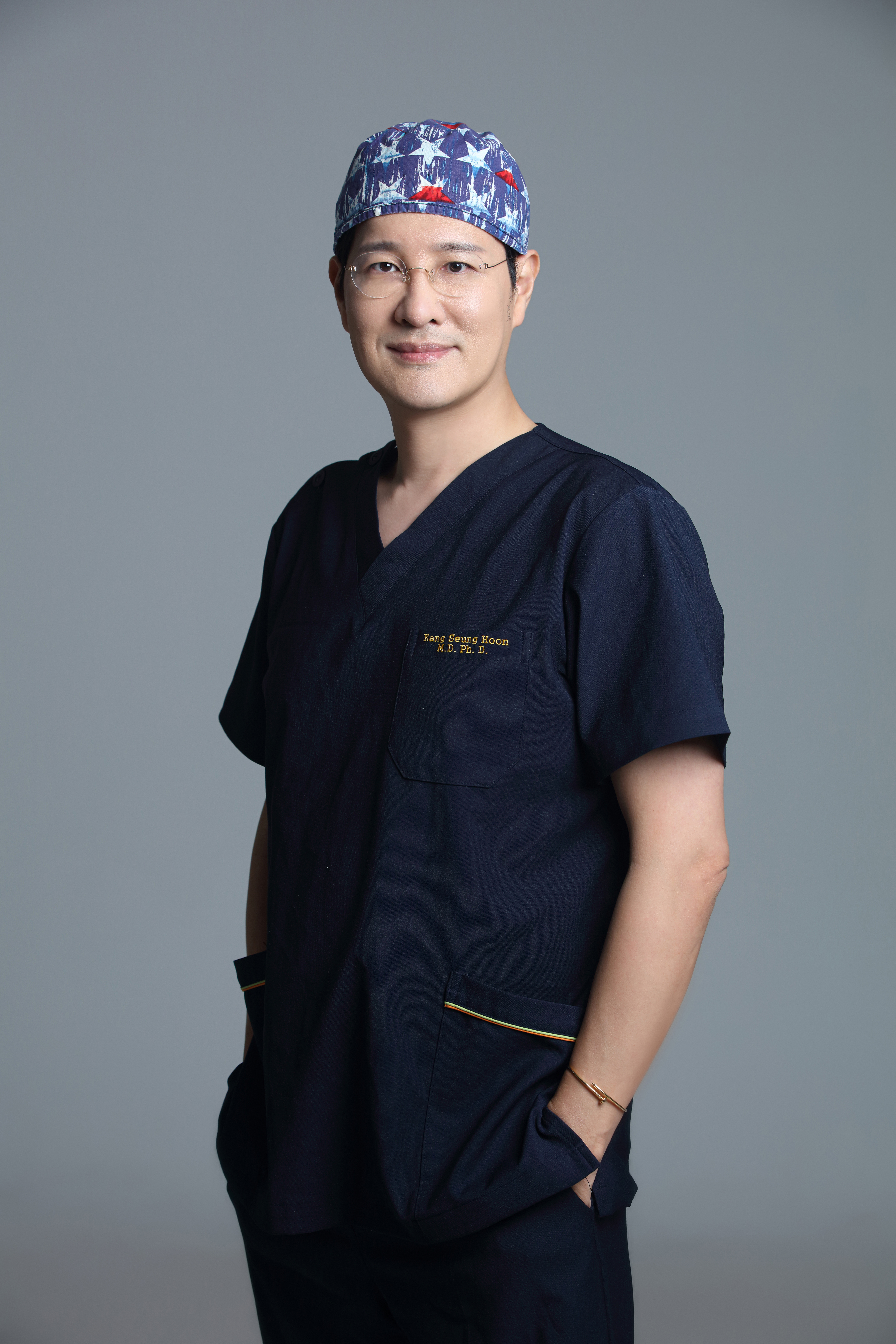
Cheongdam Designated Advanced Regenerative Medicine Hospital — Dr. Kang Seung-hoon, Chief Director of Cellon Clinic, sees every patient personally.
You'll be connected to Cellon Clinic's official WhatsApp channel